
Adjusting to College Life in the USA: International Student Tips
Adjusting to college life in the USA is easier with the right plan. Get practical international student tips on visas, classes, friends, money, and wellbeing.

By Natalie Simmons
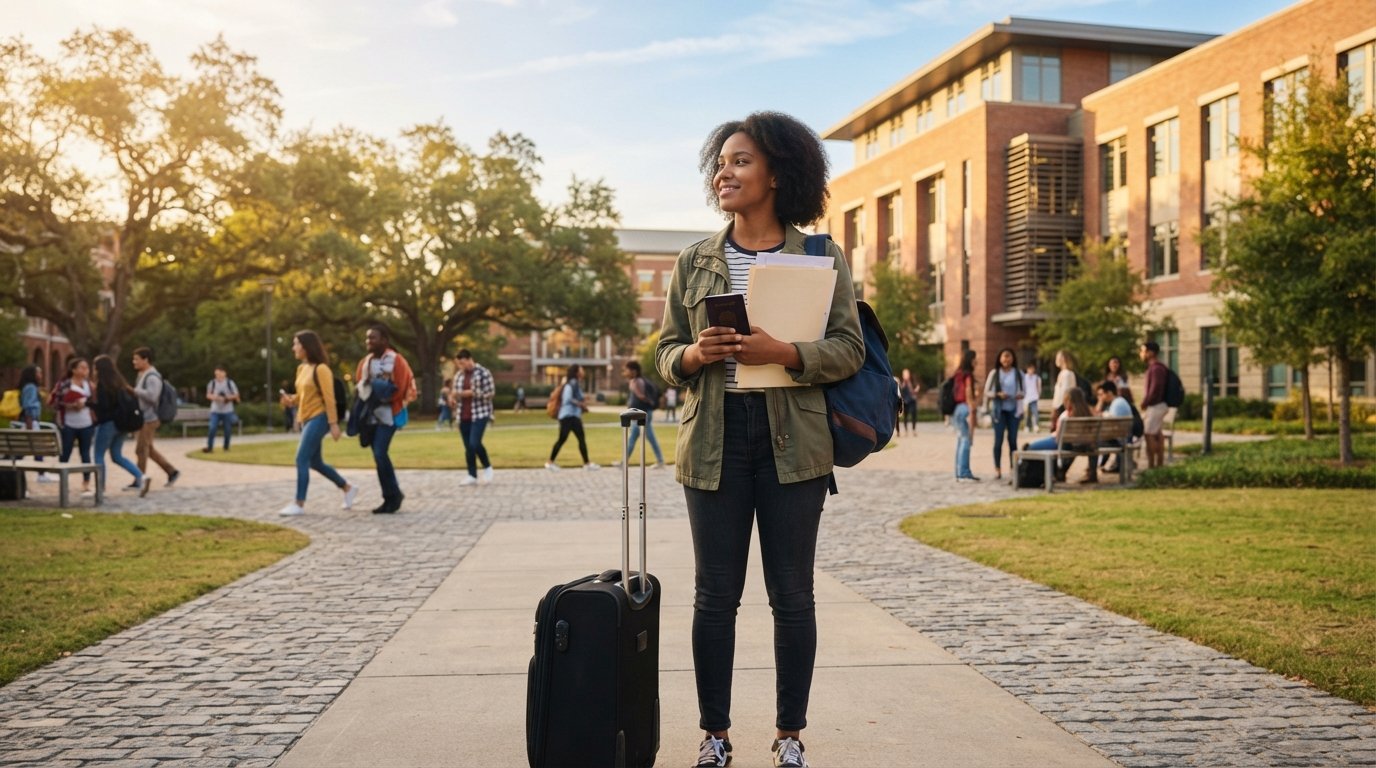
Stepping off a plane in the United States with a suitcase, an I-20, and a mix of excitement and nerves is a rite of passage for hundreds of thousands of international students every year. The first semester abroad can feel like a whirlwind: new accents, unfamiliar classrooms, a different grading system, and a social culture that operates on rules nobody handed you at orientation. The good news is that adjusting to college life in the USA as an international student is a skill you can build, not a personality trait you either have or lack. With the right expectations and a few practical habits, the transition becomes one of the most rewarding chapters of your life.
This guide walks through the areas where international students most often struggle, from visa logistics and classroom norms to friendships, money, and mental health. Each section includes concrete steps you can take during your first weeks and months, plus longer-term strategies for thriving rather than merely surviving. Whether you are heading to a large public university or a small liberal arts college, the principles here apply.
Handle the Paperwork Before You Land
The administrative side of studying in the USA is where many students lose precious time and energy. Your F-1 or J-1 visa status comes with responsibilities that continue after arrival: maintaining full-time enrollment, keeping your passport valid, and reporting changes to your designated school official (DSO) at the international student office. Treat that office as your first stop on campus. Staff there can answer questions about work authorization, travel signatures, and course load rules that generic advice online will not cover accurately.
Within your first week, complete these tasks in roughly this order. Each one unlocks the next, so doing them early prevents bottlenecks later.
- Check in with the international student office and confirm your SEVIS record is active.
- Attend international orientation and any separate sessions for your department or major.
- Get your student ID, which is often required for the campus health center, gym, and library.
- Open a U.S. bank account and set up a debit card to avoid international transaction fees.
- Obtain a local phone number or an affordable prepaid SIM plan.
One detail students overlook is health insurance. Many universities require you to enroll in a school-sponsored plan or prove that your existing coverage meets minimum standards. Read the waiver criteria carefully, because the deadlines are strict and missing them can add hundreds of dollars to your bill. Keep digital and paper copies of every immigration document, and store scanned versions in cloud storage so a lost bag does not become a crisis.
Adapt to the American Classroom
Classroom culture in the United States often surprises international students. Participation frequently counts toward your grade, professors expect questions during office hours, and group projects require you to coordinate with classmates rather than work alone. In many countries, the professor lectures and students absorb; in the USA, the classroom is closer to a conversation. Speaking up does not mean you must dominate discussion. A single thoughtful question or a brief comment that connects the reading to your own experience is usually enough to show engagement.
Grading also works differently. Continuous assessment through quizzes, papers, and presentations means your final exam is rarely the whole story. That structure rewards consistent effort, so falling behind for two weeks can be harder to recover from than you expect. Build a weekly routine that blocks study time for each course, and use the syllabus as a contract: due dates, late policies, and attendance rules are usually spelled out there.
Support services exist precisely because the system is demanding. Writing centers help you refine academic English without judgment. Tutoring is often free for introductory courses. Academic advisors can help you sequence classes so you do not accidentally delay graduation. If your school offers strong academic advising, use it aggressively; research on top colleges with strong academic advising for student success shows that students who meet their advisors regularly tend to stay on track and graduate on time.
Build Friendships Without Losing Your Identity
Loneliness is the quiet challenge of the first semester. It hits everyone at some point, but international students face an extra layer: humor, slang, and social cues that take months to decode. The temptation is to stay inside a comfort bubble with students from your own country. That circle is valuable, and you should keep it. At the same time, growth happens when you add one or two American or international friends outside your usual group.
Clubs and organizations are the fastest route in. Campus life in the USA is built around extracurriculars, and most universities have hundreds of options, from intramural sports to cultural associations to professional societies tied to your major. Pick two or three and show up consistently. Consistency matters more than enthusiasm, because friendship forms through repeated, low-stakes contact rather than one big event. Volunteer work, part-time campus jobs, and study groups are also natural friendship incubators.
Language confidence grows with use, not with perfection. You do not need flawless English to be a good friend or a strong student. Ask people to repeat themselves when needed, and let them correct you without embarrassment. Most classmates are curious about your background and happy to explain references you do not catch. Reciprocate by sharing your own culture: food, holidays, and perspectives make you interesting, not awkward.
Manage Money and Work Rules Carefully
Financial stress can derail an otherwise successful semester. The cost of living varies enormously by region, and small expenses like ride shares, coffee, and streaming subscriptions add up faster than students predict. Track your spending for the first month to learn your real baseline, then build a simple budget with categories for rent, food, transport, books, and fun. Cooking at home even a few nights a week can save hundreds of dollars per month in many college towns.
Employment rules for F-1 students are strict. On-campus jobs are generally allowed up to 20 hours per week during the semester. Off-campus work usually requires authorization such as Curricular Practical Training (CPT) or Optional Practical Training (OPT), and working without permission can jeopardize your visa status. Before accepting any job, confirm with your DSO that it is permitted. Scholarships, assistantships, and tuition waivers are safer ways to reduce costs, so ask your department and financial aid office what international students qualify for.
For longer-term planning, understanding degree pathways and their return on investment helps you make smarter choices about majors, minors, and graduate study. Resources such as DegreesOnline.Education offer guides on accredited online programs and financial aid options that can supplement what your campus provides, especially if you are considering a master's degree or a career change later.
Protect Your Health and Wellbeing
Culture shock is real and it rarely arrives on schedule. Some students feel it in week two; others hit a wall in month four when the novelty fades. Symptoms include irritability, sleep problems, homesickness, and difficulty concentrating. Recognizing the pattern as normal adjustment rather than personal failure is the first step toward managing it. Most campuses include counseling services in student fees, and sessions are confidential.
Basic routines protect your mental health more than any single strategy. Sleep on a consistent schedule, eat regular meals, and move your body several times a week. Stay connected with family at home, but set boundaries so calls do not replace local friendships. If you feel persistently depressed or anxious, contact the counseling center or your primary care provider; asking for help is a sign of maturity, not weakness.
Practical safety habits matter too. Learn how to use campus safety escorts, save emergency numbers, and understand what your health insurance covers before you need it. Dental care and vision are often separate from medical coverage, so check the details rather than assuming.
Plan Your Career From Day One
Career preparation in the USA starts earlier than many international students expect. Internship recruiting for competitive fields can begin a full year before the position starts, and employers often hire through campus career fairs and alumni networks. Visit your career center during your first semester to learn how resumes, cover letters, and interviews work in the American context. A one-page resume with quantified achievements is standard, and networking is not optional in fields like business, technology, and finance.
Your international status adds complexity to job searches, but it also gives you a genuine advantage: bilingual skills, cross-cultural fluency, and a global perspective that many employers value. Target companies with international operations, and be transparent with recruiters about your work authorization timeline so expectations are clear. For students weighing different paths, exploring degree ROI and career outcomes early can prevent expensive detours later.
Adjusting to college life in the USA is a marathon, not a sprint. The students who thrive are rarely the ones with perfect English or unlimited budgets; they are the ones who ask questions, build routines, and reach out when things get hard. Give yourself permission to be a beginner. Within a semester, the campus that felt foreign will start to feel like home, and the skills you build now will serve you long after graduation.