
ASU Cinematography and Film Bachelor's: 4-Year Campus Guide
Explore ASU's Cinematography and Film/Video Production Bachelor's degree, a 4-year campus immersion program with hands-on training and industry connections.

By Dylan Richardson
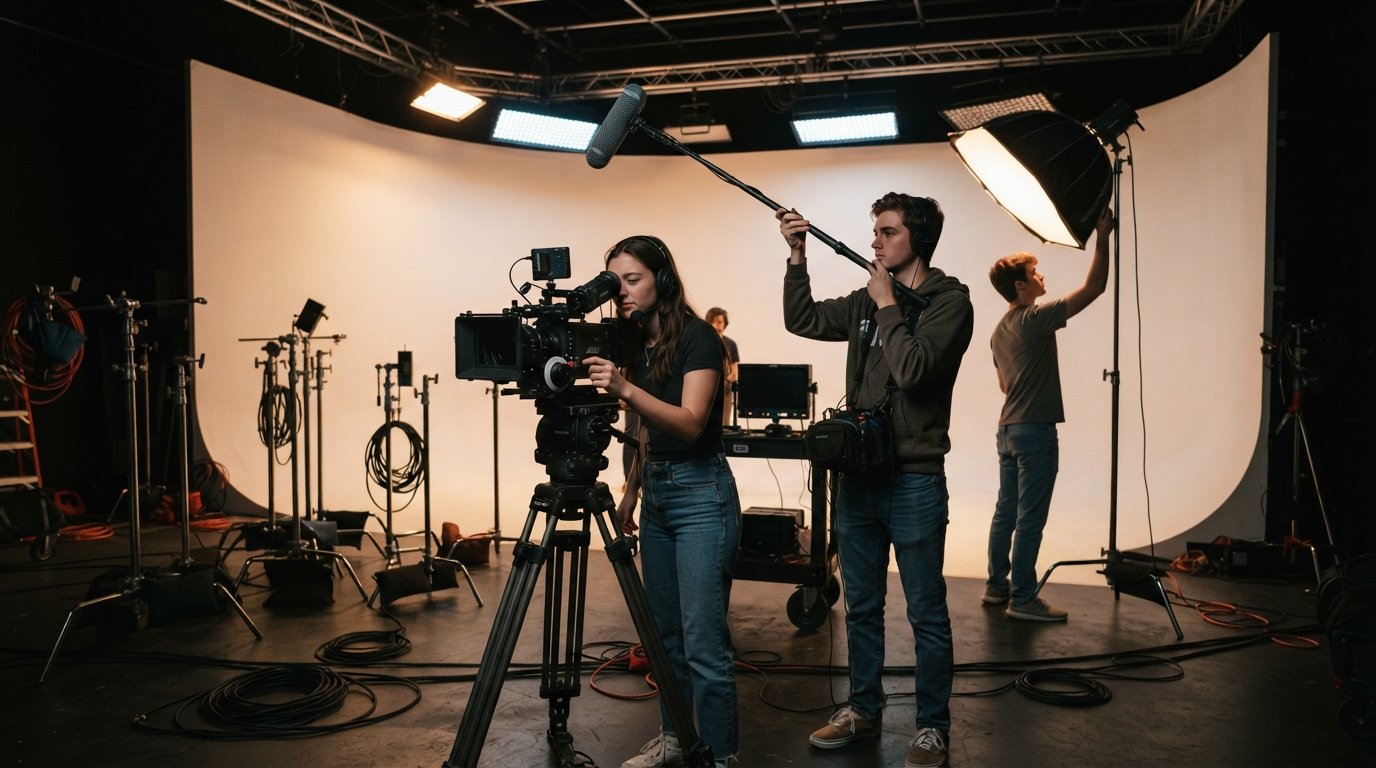
Picture yourself on a working film set before you graduate, calling shots on a soundstage in Tempe, Arizona, with professional cameras in your hands and a crew of collaborators beside you. That vision is exactly what the Cinematography and Film/Video Production Bachelor's degree, usually 4 years In-person at Arizona State University Campus Immersion, is built to deliver. This program blends hands-on production training with film history and theory, giving you a comprehensive foundation for a career in film, television, and digital media. Whether you dream of directing, shooting, editing, or producing, understanding what this degree offers, how to get in, and what it costs will help you decide if it is the right path for you.
What the ASU Cinematography and Film/Video Production Bachelor's Degree Covers
The Cinematography and Film/Video Production Bachelor's degree, usually 4 years In-person at Arizona State University Campus Immersion, is housed within the Sidney Poitier New American Film School, part of the Herberger Institute for Design and the Arts. The program is designed to immerse you in every stage of visual storytelling, from script development to final cut. You will learn on industry-standard equipment and software, and you will collaborate with peers on a range of projects that mirror real-world production workflows.
Core coursework typically includes cinematography, lighting, sound design, editing, producing, and film history. As you progress, you can choose electives that align with your career goals, such as documentary production, narrative filmmaking, or commercial and music video production. The curriculum emphasizes both technical skill and creative vision, so you graduate with a portfolio that demonstrates your abilities to potential employers or clients.
One of the standout features of this campus immersion program is access to ASU's state-of-the-art facilities, including soundstages, editing suites, and equipment checkout centers. You will also have opportunities to work on student films, participate in film festivals, and engage with guest speakers from the industry. The in-person format fosters collaboration and networking, which are invaluable in the film and video production field.
Admission Requirements and Application Process
Admission to the Cinematography and Film/Video Production Bachelor's degree, usually 4 years In-person at Arizona State University Campus Immersion, involves both university admission and a portfolio review. ASU requires standard undergraduate application materials, including high school transcripts, test scores (optional for some applicants), and a personal statement. Additionally, the film school may require a portfolio or creative supplement that showcases your storytelling ability and technical aptitude.
To strengthen your application, consider these steps:
- Prepare a portfolio of 3-5 creative works (short films, photography, scripts, or other visual media) that demonstrate your narrative skills and technical proficiency.
- Write a compelling personal statement that explains why you want to study cinematography and film production and how the ASU program aligns with your goals.
- Submit your application by the priority deadline to be considered for scholarships and ensure a smooth review process.
It is important to check the ASU website for specific portfolio requirements and deadlines, as they may vary by year. Meeting with an academic advisor can also help you navigate the application and ensure you meet all criteria. For a broader look at how different bachelor's degrees compare in terms of earning potential, you might find our guide on the highest paying bachelor's degrees useful as you weigh your options.
Costs, Financial Aid, and Value
The cost of attending ASU as an in-state student for the Cinematography and Film/Video Production Bachelor's degree, usually 4 years In-person at Arizona State University Campus Immersion, is approximately $12,000 to $15,000 per year for tuition and fees, while out-of-state students should expect to pay significantly more, often around $30,000 to $35,000 per year. These figures are estimates and can change, so consult the official ASU tuition page for the most current numbers. Additional costs may include housing, meals, books, supplies, and production expenses for student films.
Financial aid is available through federal and state grants, loans, work-study, and scholarships. ASU offers merit-based scholarships for incoming freshmen and transfer students, and the Herberger Institute may have specific awards for film students. To maximize your aid, file the FAFSA as early as possible and explore external scholarships from film organizations and community groups.
When evaluating the return on investment, consider that film and video production careers can vary widely in earnings. While entry-level positions may start modestly, experienced professionals in cinematography, directing, or producing can command high salaries. The hands-on experience and industry connections gained through the ASU program can significantly enhance your employability. For a deeper dive into college costs and financial planning, resources like CollegeAndTuition provide practical guidance on navigating higher education expenses.
Career Outcomes and Industry Opportunities
Graduates of the Cinematography and Film/Video Production Bachelor's degree, usually 4 years In-person at Arizona State University Campus Immersion, pursue a variety of roles in the entertainment and media industries. Common career paths include cinematographer, director, editor, producer, production assistant, and multimedia artist. The program's emphasis on practical skills and portfolio development prepares you for entry-level positions and freelance work.
The film industry is highly competitive, but ASU's location in the Phoenix metropolitan area and its connections to Los Angeles and other media hubs provide networking opportunities. Internships are a key component of the program, and many students secure placements with production companies, television stations, and film studios. Additionally, the Sidney Poitier New American Film School has a strong alumni network that can help with job leads and mentorship.
According to the U.S. Bureau of Labor Statistics, employment in film and video production is projected to grow, driven by demand for streaming content and digital media. While exact salaries vary by role and experience, the median annual wage for producers and directors was around $79,000 in 2023, with top earners making well over $150,000. Cinematographers and editors also earn competitive salaries. Building a strong reel and gaining diverse experience during your studies will position you well for these opportunities.
Why Choose Campus Immersion at ASU
Opting for the in-person format of the Cinematography and Film/Video Production Bachelor's degree, usually 4 years In-person at Arizona State University Campus Immersion, offers distinct advantages. Film production is inherently collaborative, and being on campus allows you to work closely with peers, faculty, and visiting professionals. You will have access to equipment, facilities, and resources that are difficult to replicate online. The immersive environment also fosters discipline, time management, and creative problem-solving skills that are essential in the fast-paced production world.
Moreover, ASU's campus is a hub of creativity, with screenings, workshops, and events that enrich your learning. You can join student film organizations, participate in film festivals, and build a network that extends beyond the classroom. The four-year timeline gives you ample opportunity to develop your craft, complete multiple projects, and intern during summers. This comprehensive experience is why many aspiring filmmakers choose the campus immersion route.
If you are considering other majors with strong career prospects, you might also explore our highest paying bachelor's degrees guide for comparative insights. Remember that the best program for you depends on your personal goals, learning style, and financial situation.
Comparing ASU's Program to Other Options
While the Cinematography and Film/Video Production Bachelor's degree, usually 4 years In-person at Arizona State University Campus Immersion, is a strong choice, it is wise to compare it with similar programs. Other universities may offer film degrees with different emphases, such as screenwriting, animation, or media studies. Some programs may be shorter or offer online components, but the hands-on, in-person training at ASU is particularly beneficial for cinematography and production roles.
Consider factors like faculty credentials, alumni success, equipment access, and location when making your decision. ASU's film school is relatively new and has invested heavily in modern facilities, which can be a significant draw. Visiting the campus, talking to current students, and reviewing sample schedules can give you a clearer picture of what to expect.
Additionally, think about the broader value of a bachelor's degree. Beyond film-specific skills, you will develop critical thinking, communication, and project management abilities that are transferable to many fields. The degree also provides a credential that can open doors in related industries like advertising, marketing, and corporate media.
Preparing for Success in the Program
To make the most of your four years, start building foundational skills before you enroll. Practice shooting short videos with your smartphone, learn basic editing software, and watch a wide range of films to understand different styles and techniques. Once in the program, actively seek feedback, collaborate on as many projects as possible, and take advantage of office hours with professors.
Networking is crucial, so attend industry events, join film clubs, and connect with alumni on LinkedIn. Keep a portfolio website to showcase your work, and apply for internships early. Financial planning is also important: budget for production costs, and explore scholarships and grants to minimize debt. For comprehensive resources on college planning and financial aid, visit CollegeAndTuition.
Finally, stay adaptable. The media landscape is constantly evolving, and successful filmmakers are those who can embrace new technologies and storytelling formats. The ASU program's emphasis on both traditional and emerging media will help you stay ahead of the curve.
The Cinematography and Film/Video Production Bachelor's degree, usually 4 years In-person at Arizona State University Campus Immersion, offers a rigorous, immersive education that can launch you into a dynamic career. By understanding the curriculum, costs, and opportunities, you can make an informed decision about whether this program is the right fit for your creative and professional aspirations. With dedication and the right resources, you can turn your passion for visual storytelling into a rewarding profession.