
Commuter High School vs Traditional: Key Differences
Explore what a commuter high school is and how it differs from traditional high school, from specialized academics to college preparation and daily structure.

By Emily Foster
For many families, the high school years bring a flood of decisions: which courses to take, which extracurriculars to pursue, and, increasingly, which type of school offers the best environment for a student to thrive. Among the options that have gained attention is the commuter high school, a model that blends rigorous academics with specialized focus while keeping students rooted at home. Understanding what a commuter high school is and how it differs from a traditional high school can help parents and students make an informed choice that aligns with long-term academic and career goals.
Unlike boarding schools, where students live on campus, commuter high schools allow students to attend classes during the day and return home in the evening. Yet they are not simply neighborhood schools with a different name. Commuter high schools often serve a specific niche, such as STEM, performing arts, or international baccalaureate programs, drawing students from across a region. This article breaks down the structure, benefits, and college preparation advantages of commuter high schools, and it offers practical factors to weigh when comparing them with traditional high schools. Along the way, we will explore how these schools fit into the broader landscape of educational pathways and career planning.
What Is a Commuter High School?
A commuter high school is a secondary institution that students attend daily but do not reside at overnight. The term is most commonly used to distinguish such schools from boarding schools, where students live on campus for the entire academic term. Commuter high schools can be public, charter, magnet, or private, and they often have a specialized mission. For example, a commuter high school might focus on science and technology, or it might offer a rigorous college-preparatory curriculum with an international perspective. Students typically commute from their home neighborhoods, sometimes traveling significant distances to access a program not available locally.
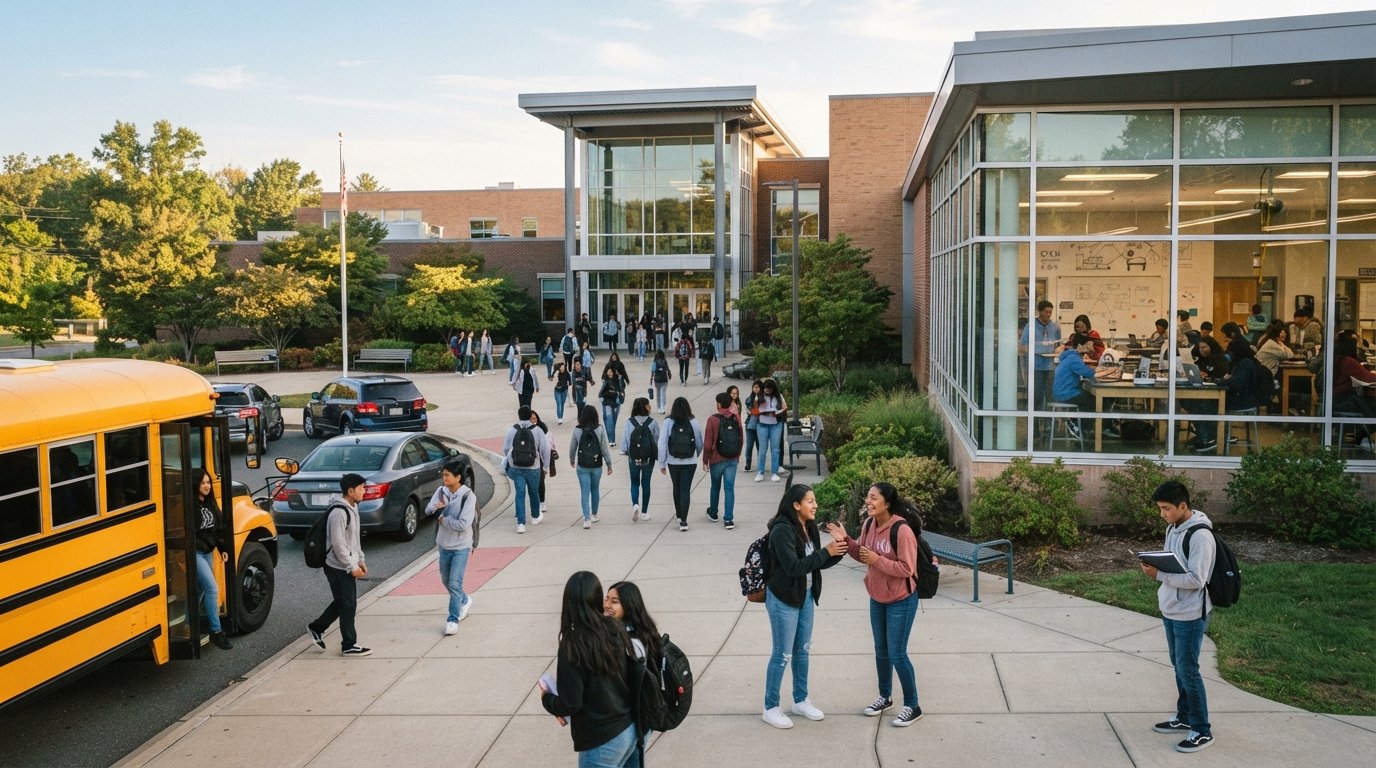
The structure of a commuter high school day resembles that of a traditional high school in many ways: classes start in the morning and end in the afternoon, with extracurricular activities often extending into the evening. However, the academic calendar and daily schedule may be more intense. Some commuter high schools operate on a block schedule, allowing for longer lab sessions or studio time. Others may require students to participate in internships or research projects that extend beyond regular school hours. Because students do not live on campus, the school does not provide residential services such as dormitories, dining halls, or overnight supervision, which can make tuition lower than at boarding schools, though private commuter schools still charge tuition.
Admission to commuter high schools varies widely. Public magnet and charter commuter schools often use a lottery or merit-based selection process, while private commuter schools may require entrance exams, interviews, and application essays. In many cases, commuter high schools draw from a larger geographic area than traditional public schools, creating a more diverse student body in terms of background and interests. This diversity can enrich classroom discussions and social experiences, but it also means students may need to adjust to longer commutes and a less localized peer network.
How Commuter High Schools Differ from Traditional High Schools
The most obvious difference between a commuter high school and a traditional high school is the absence of on-campus housing. But the distinctions run deeper, affecting academic focus, student culture, and the level of specialization. Traditional high schools are typically comprehensive, offering a broad range of courses and extracurriculars designed to serve the entire local population. Commuter high schools, by contrast, often have a specialized identity. They may concentrate on a particular field, such as STEM, the arts, or international studies, and they may require students to commit to a more demanding course load.
Another key difference is the student body composition. Traditional high schools serve students from the immediate neighborhood, which can result in a relatively homogeneous peer group. Commuter high schools, especially those with a specialized focus, attract students from across a city or region, leading to a more diverse mix of backgrounds, talents, and aspirations. This can create a stimulating environment where students are surrounded by peers who share similar academic or creative interests, but it can also mean that students have to work harder to maintain friendships outside of school due to geographic distance.
Academic rigor and expectations also tend to differ. Many commuter high schools set higher admissions standards and maintain a rigorous curriculum that prepares students for competitive colleges. They may offer advanced placement courses, dual enrollment options, or specialized diplomas that signal expertise in a particular area. Traditional high schools also offer advanced courses, but the overall pace and expectations may be more varied because they must accommodate a wider range of student abilities and needs. Furthermore, commuter high schools often have stronger ties to local industries, universities, or cultural institutions, providing students with internship and mentorship opportunities that may not be available at a typical neighborhood school.
Finally, the social and extracurricular landscape can differ. Traditional high schools often serve as community hubs, with sports teams, clubs, and events that draw local families. Commuter high schools may have a more focused extracurricular offering, sometimes emphasizing activities related to their specialty. For instance, a STEM-focused commuter school might have robotics teams and science Olympiads but no football team. Students who value a wide range of traditional high school experiences, such as homecoming dances and pep rallies, may find the commuter school environment less familiar, though many commuter schools still offer a vibrant social life.
Benefits of Commuter High Schools for Specialized Interests and Needs
For students with a clear passion or a specific academic talent, a commuter high school can be a game-changer. These schools often provide resources, facilities, and faculty expertise that are hard to find in a typical comprehensive high school. For example, a student interested in marine biology might attend a commuter high school located near a coastal research center, gaining access to labs and field work that would be impossible elsewhere. Similarly, a budding musician might enroll in a commuter high school for the arts, where they can study with professional musicians and perform in high-caliber ensembles.
Beyond specialized interests, commuter high schools can also serve students with unique needs. Some commuter schools offer smaller class sizes and more individualized attention, which can benefit students who require a more personalized learning environment. Others may provide support services for students with learning differences or for those who are academically advanced and need greater challenge. Because these schools often have a focused mission, they can tailor their programs to meet the needs of their student body more effectively than a large, comprehensive school.
Here are some of the key benefits that commuter high schools can offer:
- Access to specialized curricula and facilities, such as research labs, art studios, or language immersion programs.
- Opportunities to learn from expert faculty who are passionate about their field and often have professional experience.
- A peer group of students who share similar interests and are motivated to learn, which can foster a strong intellectual community.
- Strong connections to universities and industries, leading to internships, mentorships, and college application advantages.
- Potentially smaller class sizes and more individualized instruction, especially in private or magnet commuter schools.
These benefits can translate into higher levels of engagement and achievement. When students are surrounded by peers who are equally driven, they often rise to the occasion. Moreover, the specialized focus can help students build a strong portfolio or resume for college admissions. However, it is important to note that commuter high schools are not automatically better for every student. Some students thrive in a more traditional, broad-based environment where they can explore many interests before committing to a specialty. The key is to match the school's focus with the student's personality and goals.
How Commuter High Schools Prepare Students for College
College preparation is a major consideration for many families, and commuter high schools often excel in this area. Because these schools tend to have a college-preparatory mission, they often offer a curriculum that aligns closely with university expectations. Students may take advanced placement (AP) courses, international baccalaureate (IB) courses, or dual enrollment classes that earn college credit. The academic rigor and emphasis on critical thinking, research, and writing can give students a significant advantage when they transition to higher education.
In addition to academics, commuter high schools often provide robust college counseling services. With a focused student body, counselors can give more personalized attention to each student, helping them identify colleges that match their interests and strengths. They can also guide students through the application process, including essays, interviews, and financial aid. For students interested in specific fields, counselors may connect them with alumni or professionals who can offer insights and recommendations. This level of support can be invaluable in navigating the increasingly competitive college admissions landscape.
Furthermore, the specialized focus of many commuter high schools can help students develop a clear narrative for their college applications. A student who has spent four years immersed in a particular subject, whether it is engineering, creative writing, or global studies, can present a compelling story of passion and commitment. Colleges and universities value depth as well as breadth, and a commuter high school experience can demonstrate a student's ability to dive deep into a field. That said, students should also ensure they maintain a well-rounded profile by participating in extracurricular activities and developing other interests.
It is also worth noting that commuter high schools often have strong relationships with colleges and universities. Some may have articulation agreements that guarantee admission or credit transfer for qualified students. Others may host college fairs or visits from admissions officers. These connections can smooth the path to college and provide students with valuable information and opportunities. For families who are beginning the college planning process, resources such as finding college scholarships in high school can complement the guidance provided by the school.
Factors to Consider When Choosing Between Commuter and Traditional High Schools
Deciding between a commuter high school and a traditional high school is a personal decision that depends on the student's interests, learning style, and family circumstances. Before making a choice, families should consider several key factors. First, think about the student's academic and extracurricular passions. If a student has a strong interest in a specialized field, a commuter high school with a focus in that area might provide unparalleled opportunities. On the other hand, if a student is still exploring various interests, a traditional high school with a broad course catalog might be a better fit.
Second, consider the commute. Commuter high schools often draw students from a wide area, which may mean a longer daily commute. This can cut into study time, extracurricular involvement, and family time. Families should evaluate transportation options, such as school buses, public transit, or carpools, and weigh the benefits of the specialized program against the cost of travel time. For some students, a long commute can be a source of stress, while for others, it can be a productive time for reading or listening to podcasts.
Third, assess the social environment. Traditional high schools often provide a built-in community based on neighborhood, which can be comforting for students who value close local ties. Commuter high schools may offer a more diverse but less geographically connected peer group. Students who are outgoing and eager to meet new people may thrive in this environment, while those who prefer a familiar social circle might find it challenging. It is also important to consider extracurricular opportunities: does the commuter school offer the sports, clubs, or arts programs that the student enjoys?
Fourth, evaluate the financial implications. Public commuter high schools, such as magnet or charter schools, are typically tuition-free, but they may have limited seats and competitive admissions. Private commuter high schools charge tuition, which can be substantial, though often less than boarding schools. Families should also factor in additional costs such as transportation, meals, and supplies. It is essential to compare these costs with the potential benefits and to explore financial aid options if applicable.
Finally, consider the student's readiness for a specialized environment. Commuter high schools often have a more intense academic culture and higher expectations. Students who are self-motivated and eager to specialize may flourish, but those who need more support or flexibility might feel overwhelmed. Visiting the school, talking to current students and parents, and shadowing a day can provide valuable insights. For families who are also thinking ahead to college, resources like Scholarship.Education can help with planning and financial aid, but the high school choice itself should be based on the best fit for the student's immediate needs and long-term goals.
Making the Decision: Aligning School Choice with Career and College Goals
Ultimately, the choice between a commuter high school and a traditional high school should be guided by the student's individual goals and circumstances. Commuter high schools offer specialized programs, rigorous academics, and a focused peer group that can be ideal for students with clear passions. Traditional high schools offer a broad, community-oriented experience that allows for exploration and local connections. Neither option is inherently superior; the best choice depends on the student's learning style, interests, and family logistics.
As students look ahead to college and careers, the high school environment plays a crucial role in shaping their trajectory. A commuter high school can provide a head start in a specialized field, but it is not the only path to success. Many students from traditional high schools also gain admission to top colleges and pursue rewarding careers. The key is to choose an environment where the student feels challenged, supported, and engaged. By carefully weighing the factors discussed in this article, families can make an informed decision that sets the stage for future academic and professional achievement.