
Cosmetology Instructor Certificate: 12 Weeks to 1 Year at Delaware
Earn your Cosmetology, Barber/Styling, and Nail Instructor Certificate in 12 weeks to under 1 year. In-person training at Delaware Learning Institute of Cosmetology.
By James Morgan
Becoming a licensed cosmetology, barber, or nail instructor opens a career path that combines your technical expertise with teaching, leadership, and mentorship. For beauty professionals in Delaware who want to move beyond behind-the-chair work and into the classroom, the Cosmetology, Barber/Styling, and Nail Instructor Certificate, 12 weeks to less than 1 year In-person at Delaware Learning Institute of Cosmetology offers a focused, accelerated route to that goal. Instead of spending years in a traditional degree program, you can complete your instructor training in as little as three months and step into a role that shapes the next generation of beauty professionals.
This article explains what the program covers, who it is designed for, how to apply, what it costs, and what career outcomes you can realistically expect. It also connects the certificate to broader career-planning questions, so you can decide whether instructor training is the right next step for your professional life.
What Is the Cosmetology, Barber/Styling, and Nail Instructor Certificate?
The Cosmetology, Barber/Styling, and Nail Instructor Certificate is a post-licensure credential designed for working beauty professionals who already hold a valid cosmetology, barber, or nail technician license. The program prepares you to teach in licensed beauty schools, vocational training centers, and continuing education settings. Unlike a general education degree, this certificate is highly specialized: it focuses on instructional methods, classroom management, curriculum delivery, and the specific regulations that govern beauty education in Delaware.
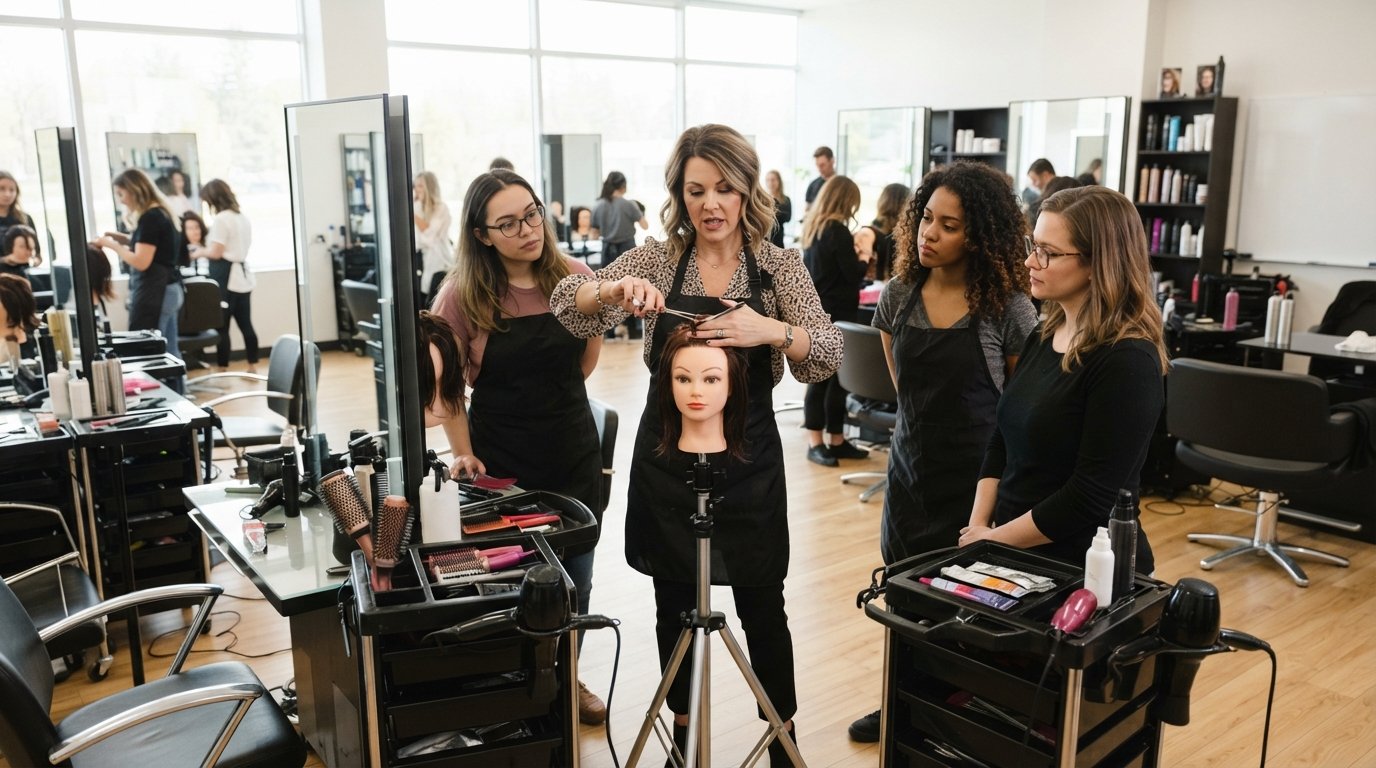
The Delaware Learning Institute of Cosmetology delivers this certificate in person, which means you will practice teaching techniques in a real classroom or salon lab environment rather than through a fully online format. That hands-on component matters because instructor roles require live demonstration, real-time feedback, and the ability to manage students with different learning styles. The 12-weeks-to-less-than-1-year timeframe makes it one of the faster credential options for beauty professionals who want to advance without pausing their income for an extended period.
Because the program is offered in person, you should expect a structured schedule with set class times, supervised teaching practicums, and direct access to experienced instructors. This format is especially valuable if you learn best by doing, observing, and receiving immediate coaching.
Who Should Consider This Instructor Certificate?
This certificate is not for beginners. It is built for licensed professionals who already have hands-on experience in cosmetology, barbering, or nail technology and who want to transition into an educational role. If you have spent years building a clientele and mastering technical skills, the instructor certificate converts that expertise into a teaching qualification. It is also a strong fit for professionals who are ready to step back from the physical demands of full-time salon work while staying connected to the beauty industry.
You may also be a good candidate if you are exploring career changes within the broader education and training sector. Many beauty instructors eventually move into school administration, curriculum development, or state board examination roles. The certificate gives you a formal credential that supports those transitions and demonstrates to employers that you understand both the craft and the classroom.
Before enrolling, ask yourself these practical questions:
- Do I hold a current Delaware cosmetology, barber, or nail technician license in good standing?
- Am I comfortable speaking in front of groups and giving constructive feedback?
- Can I commit to an in-person schedule for 12 weeks to under a year?
- Do I want to teach in a licensed school, or am I aiming for corporate training or continuing education?
- Have I reviewed the state's instructor licensing requirements to confirm this certificate meets them?
Answering these questions honestly will help you determine whether the program aligns with your goals. If you are still weighing different education and career paths, it can help to compare this certificate with other credentials, including online degree options that may complement your long-term plans. For adult learners who need flexibility, understanding the top benefits of e-learning for students and professionals can clarify how online formats differ from the in-person training this certificate requires.
What You Will Learn in the Program
The curriculum for the Cosmetology, Barber/Styling, and Nail Instructor Certificate typically blends teaching theory with supervised practice. You will study how people learn, how to break down complex techniques into teachable steps, and how to assess student progress fairly. You will also cover safety and sanitation protocols at an instructional level, because instructors are responsible for enforcing those standards in the classroom and lab.
Core topic areas often include:
- Instructional methods and lesson planning for beauty and barbering subjects
- Classroom management and student engagement strategies
- Assessment, grading, and constructive feedback techniques
- Delaware cosmetology laws, rules, and instructor licensing requirements
- Supervised teaching practicum with real or simulated students
The practicum is usually the most valuable part of the program. It gives you a chance to teach under supervision, receive feedback, and build confidence before you apply for your instructor license. Many graduates say the practicum is what made them feel truly ready for a classroom of their own.
Because the program is in person, you will also benefit from peer interaction. Teaching alongside other licensed professionals lets you exchange ideas, observe different instructional styles, and build a professional network that can help you find your first instructor position.
Admission Requirements and How to Apply
Admission requirements vary, but most instructor certificate programs expect you to hold a current license in cosmetology, barbering, or nail technology and to meet a minimum experience requirement. Some states require a certain number of years of licensed work before you can enroll in an instructor program. You should verify the specific requirements with the Delaware Learning Institute of Cosmetology and with the Delaware state board that oversees beauty professions.
The application process usually involves several steps, and starting early gives you time to gather documents and arrange your schedule.
- Confirm you meet the state's license and experience prerequisites for instructor training.
- Request an application packet from the school and review the program calendar.
- Submit proof of your current license, identification, and any required transcripts or work history.
- Complete an admissions interview or orientation session, which may include a basic skills review.
- Arrange payment or financial aid, then confirm your start date and class schedule.
After you complete the certificate, you will typically need to apply for an instructor license through the state board. That process may include an additional exam or a background check. The school's admissions team can usually guide you through the post-graduation steps, but it is your responsibility to confirm that all state requirements are met.
Cost, Financial Aid, and Return on Investment
Tuition for a 12-week to under-one-year instructor certificate is generally far lower than the cost of a full associate or bachelor's degree. That shorter timeline also means you can return to earning sooner, which improves the overall return on your investment. Many students continue working part-time in a salon while completing the program, which further offsets the cost.
Financial aid options may include federal student aid if the school is accredited and participates in federal programs, payment plans offered directly by the institution, and sometimes employer tuition assistance if you work for a salon group or beauty school. Scholarships for beauty and barbering students also exist through industry organizations and professional associations. You should ask the school's financial aid office for a clear breakdown of tuition, fees, kit costs, and any exam fees that are not included.
To evaluate the return on investment, compare the total program cost against the salary range for beauty instructors in your area. Instructor pay varies by employer, location, and whether you teach full-time or part-time, but many instructors earn more per hour than they did as entry-level stylists while also gaining benefits such as predictable schedules and professional development opportunities. If you plan to pursue further education later, you can also explore accredited online degree programs that may complement your teaching credential and open additional career doors.
Career Outcomes for Certified Beauty Instructors
Graduates of the Cosmetology, Barber/Styling, and Nail Instructor Certificate, 12 weeks to less than 1 year In-person at Delaware Learning Institute of Cosmetology can pursue several roles. The most common is instructor or educator at a licensed beauty or barber school. Other options include continuing education provider, corporate trainer for a beauty brand, state board examiner, or school administrator. Some instructors eventually open their own schools or training academies.
The job outlook for beauty instructors is tied to enrollment in cosmetology and barbering programs. When demand for beauty services grows, demand for trained professionals grows too, and schools need qualified instructors to teach them. Delaware and the surrounding region have a steady need for licensed instructors, particularly in barbering and nail technology, where enrollment has been strong.
Beyond the classroom, the certificate can support roles in curriculum design, educational consulting, and product education. If you enjoy teaching but want to work outside a traditional school, corporate training for a cosmetics or salon brand can be a strong fit. These roles often combine travel, public speaking, and technical expertise, and they value formal instructor credentials.
Why Choose an In-Person Program at Delaware Learning Institute of Cosmetology
Delaware Learning Institute of Cosmetology offers this certificate in person, which is a significant advantage for anyone who wants to teach in a hands-on field. Learning to instruct is different from learning to perform services. You need to practice explaining techniques, correcting mistakes, and managing a room full of students with different skill levels. An in-person program gives you that practice under the guidance of experienced educators.
The school's focus on cosmetology and related fields means you are learning from instructors who understand the industry, not just general teaching theory. That industry context matters when you are preparing students for state board exams and real salon careers. The 12-week to less-than-1-year format is also practical for working professionals who want to advance without a long break from earning.
If you are comparing programs, ask about class size, practicum hours, pass rates on instructor licensing exams, and job placement support. These factors often matter more than the headline tuition number. A program with strong practicum hours and small classes may prepare you better for your first teaching role, even if it costs slightly more upfront.
Steps to Get Started
If you are ready to move forward, a clear plan will help you stay organized. The following steps outline a practical path from initial research to enrollment.
- Verify your current license and experience meet Delaware's instructor training requirements.
- Contact Delaware Learning Institute of Cosmetology to request program details and upcoming start dates.
- Compare total costs, including tuition, fees, kits, and exam fees, and ask about payment plans or aid.
- Visit the campus or attend an information session to see the classrooms and meet instructors.
- Submit your application, confirm your schedule, and prepare for your first day of class.
After you complete the certificate and any required state exams, you can begin applying for instructor positions at beauty schools, barber academies, and continuing education providers. Keep your license and certifications current, and consider joining professional associations to stay connected with industry changes and job openings.
Becoming a cosmetology, barber, or nail instructor is a meaningful career move that lets you use your technical skills in a new way. The Cosmetology, Barber/Styling, and Nail Instructor Certificate, 12 weeks to less than 1 year In-person at Delaware Learning Institute of Cosmetology is a focused path for licensed professionals who want to teach, lead, and shape the future of the beauty industry. With a short timeline, in-person training, and clear career outcomes, it is worth serious consideration if you are ready to step into the classroom.