
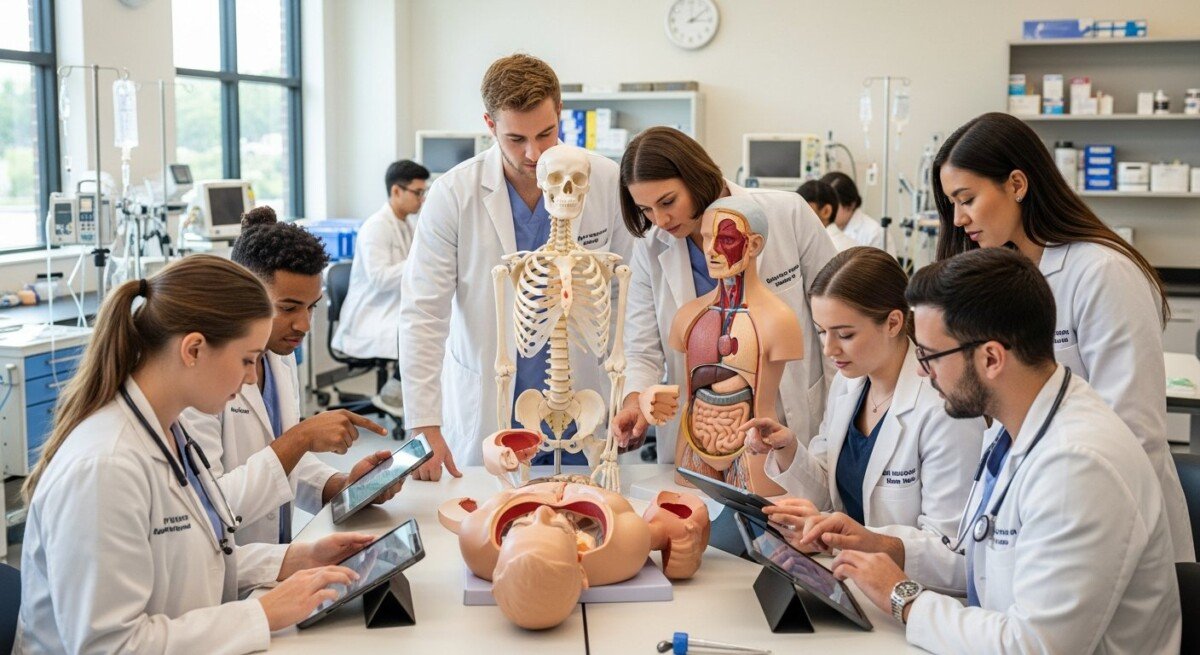
Exploring Premier Health Care Studies in South Carolina
Discover South Carolina’s leading health care studies programs, known for advanced research and strong clinical training that prepares graduates for high-demand medical careers.

By Stacy Cignetti
For students and professionals seeking a robust education in the medical and health sciences, South Carolina offers a dynamic landscape of top-tier health care studies. The state’s universities and colleges have cultivated nationally recognized programs that blend rigorous academics, cutting-edge research, and hands-on clinical experience. This ecosystem is designed to address critical workforce needs while pushing the boundaries of medical knowledge, from the bustling medical district of Charleston to the research corridors of Columbia and Greenville. Whether your goal is to become a practicing clinician, a public health leader, or a biomedical researcher, understanding the depth and specialization of these programs is the first step toward a impactful career.
The Academic Powerhouses Driving Medical Innovation
South Carolina’s reputation for excellence in health care education is anchored by its flagship research institutions. The Medical University of South Carolina (MUSC) in Charleston stands as the state’s oldest medical school and a premier academic health center. Its integrated model combines education, research, and patient care across six colleges: Medicine, Nursing, Dental Medicine, Pharmacy, Graduate Studies, and Health Professions. This structure fosters interdisciplinary collaboration, a critical component in modern health care. Similarly, the University of South Carolina’s Columbia campus is home to the nationally ranked Arnold School of Public Health and a growing School of Medicine that emphasizes primary care and community health. These institutions are not just degree-granting bodies, they are engines of discovery, often leading studies in areas like cancer therapeutics, stroke treatment, and health disparities prevalent in the region.
The research output from these universities directly informs and elevates the quality of their academic programs. Students in top-tier health care studies in South Carolina frequently have opportunities to participate in funded research projects, gaining invaluable experience alongside faculty who are experts in their fields. This research-centric model is particularly evident in graduate and doctoral programs, where thesis and dissertation work often contributes to larger, grant-supported initiatives. For those considering foundational college pathways, an associate degree can serve as a strategic launchpad. In our guide on Associate Degree Studies: A Strategic Path to Career and College, we explain how two-year programs in sciences and health technologies can provide essential credits and clinical exposure for seamless transfer into these competitive four-year and graduate programs.
Key Program Specializations and Clinical Pathways
Beyond the broad reputation of its universities, South Carolina excels in specific health care specializations that draw students from across the country. Nursing education is a particular strength, with programs ranging from accelerated BSN tracks to Doctor of Nursing Practice (DNP) degrees designed to prepare advanced practice nurses. MUSC’s College of Nursing and Clemson University’s School of Nursing are consistently highlighted for their innovative simulation labs and strong hospital partnerships. Another area of distinction is public health, where researchers tackle pressing issues such as rural health access, obesity prevention, and environmental health impacts on coastal communities. The state’s demographics and geographic diversity create a living laboratory for public health students.
For those interested in allied health professions, South Carolina’s colleges offer deep expertise in fields that are in high demand. These include physical therapy, occupational therapy, physician assistant studies, and medical laboratory science. The clinical training components of these programs are exceptionally strong, leveraging the state’s extensive network of teaching hospitals, community clinics, and VA medical centers. This real-world training ensures graduates are not only knowledgeable but also practice-ready. When evaluating these specialized pathways, prospective students should consider the following key elements that define a top-tier program:
- Accreditation Status: Ensure the program holds specialized accreditation from the relevant national body (e.g., CCNE for nursing, CAPTE for physical therapy), which is essential for licensure and certification.
- Clinical Placement Network: The quality and diversity of clinical sites, including major hospitals, specialty clinics, and community health centers, are crucial for comprehensive experience.
- Faculty Expertise: Look for programs where instructors maintain active clinical practices or research portfolios, bringing current, real-world challenges into the classroom.
- Graduate Outcomes: Investigate licensure exam pass rates, job placement statistics, and career trajectories of recent alumni.
This focus on outcomes is what separates good programs from exceptional ones. It ensures that the investment in education translates directly into professional competency and career advancement.
Integrating Technology and Online Learning Modalities
The landscape of health care education is rapidly evolving to include sophisticated digital tools and flexible learning formats. South Carolina’s institutions have embraced this shift, enhancing their top-tier health care studies with advanced simulation technologies, telehealth training platforms, and robust online degree options. Simulation centers at places like MUSC and Greenville Technical College provide students with risk-free environments to practice complex procedures on high-fidelity manikins and in virtual reality scenarios. This technology bridges the gap between textbook learning and patient interaction. Furthermore, the growth of accredited online and hybrid programs has expanded access to advanced degrees for working professionals across the state and beyond.
Online Master of Public Health (MPH), Master of Science in Nursing (MSN), and Master of Health Administration (MHA) programs allow clinicians to upskill without leaving their jobs. This flexibility is vital for addressing workforce shortages. When researching these digital options, it is important to verify that the online curriculum includes meaningful clinical or practicum components arranged in the student’s local area. The integration of technology also extends to data analytics and health informatics, emerging fields that are becoming integral to modern care delivery. For readers exploring digital education pathways, a valuable resource for comparing options is academic program insights, which provides detailed information on accredited online degree structures and outcomes.
Frequently Asked Questions
What are the most competitive health care programs to get into in South Carolina?
Medical Doctor (MD) programs at MUSC and the University of South Carolina School of Medicine Greenville are highly competitive, as are Doctor of Physical Therapy (DPT) and Physician Assistant (PA) programs across the state. Admission typically requires a high GPA, strong scores on standardized tests (MCAT, GRE), extensive patient-care experience, and compelling personal narratives.
How does South Carolina support health care students financially?
Beyond federal aid, many state-specific scholarships and loan repayment programs exist, such as the South Carolina Center for Nursing Scholarship Program and the Rural Physician Incentive Grant. Several hospitals and health systems also offer tuition reimbursement or scholarship-for-service agreements in exchange for a commitment to work in underserved areas after graduation.
Are there accelerated health care degree programs available?
Yes, several institutions offer accelerated tracks. These include accelerated BSN programs for students who already hold a bachelor’s degree in another field, as well as combined BS/MS or direct-entry master’s programs in fields like cytotechnology and medical laboratory science. These programs are intensive but allow for a faster transition into the workforce.
What is the job market like for health care graduates in South Carolina?
The demand remains high across most health care professions, particularly in nursing, mental health counseling, and primary care. The state’s aging population and expansion of healthcare services in growing urban and rural areas continue to drive need. Graduates from respected, accredited programs generally experience strong job placement rates within the region.
Can I start a health care career with an associate degree from a South Carolina college?
Absolutely. Associate degrees in Nursing (ADN), Radiologic Technology, Respiratory Therapy, and Surgical Technology from accredited South Carolina technical colleges lead directly to in-demand, well-compensated careers. These programs also often include articulation agreements that provide a clear pathway to a bachelor’s degree for those who wish to advance later.
Choosing to pursue health care studies in South Carolina is an investment in an education grounded in both tradition and innovation. The state’s academic institutions provide a compelling blend of theoretical knowledge, research opportunity, and immersive clinical practice that prepares graduates to excel. By carefully evaluating program specializations, accreditation, delivery formats, and outcomes, students can align their educational journey with their ultimate professional aspirations, contributing to a healthier future for South Carolina and beyond.