
Massage Therapy Certificate at Capri College-Davenport
The Massage Therapy/Therapeutic Massage Certificate, 12 weeks to less than 1 year In-person at Capri College-Davenport can launch a hands-on career fast. Learn costs, licensing, and outcomes.

By Dylan Richardson
A career in massage therapy can begin in as little as 12 weeks. If you are exploring hands-on healthcare roles that do not require a traditional four-year degree, the Massage Therapy/Therapeutic Massage Certificate, 12 weeks to less than 1 year In-person at Capri College-Davenport is worth a close look. This short, focused program prepares students for entry-level work in spas, chiropractic offices, clinics, and wellness centers, and it can be completed faster than many certificate programs in allied health. In this guide, you will learn what the program covers, who it suits, how to evaluate costs and outcomes, and how to decide whether this credential fits your career plan.
What the Massage Therapy/Therapeutic Massage Certificate Covers
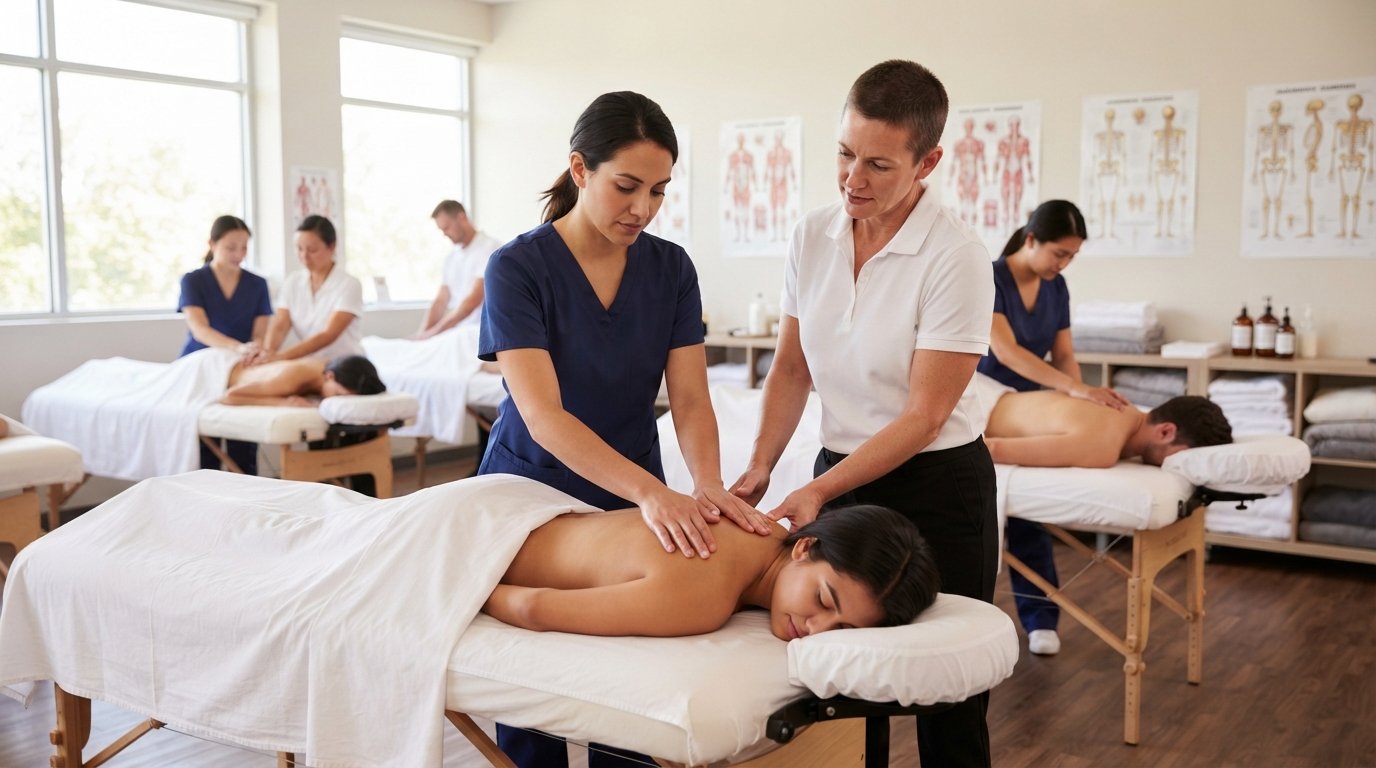
The Massage Therapy/Therapeutic Massage Certificate, 12 weeks to less than 1 year In-person at Capri College-Davenport is a compact credential designed to move students from the classroom to entry-level practice quickly. Because the program is delivered in person, students spend significant time practicing hands-on techniques under instructor supervision, which matters in a field where touch, body mechanics, and client communication are central to competence. Coursework typically blends anatomy and physiology, kinesiology, pathology, massage theory, ethics and business practices, and supervised clinical experience.
Capri College has a long history in career-focused health and beauty education, and its Davenport campus serves students in the Quad Cities region. The massage program is structured to meet state licensing requirements, which means the curriculum includes the hours and topics that Iowa expects of massage therapists. Students should confirm current hour requirements and licensure steps directly with the college and the Iowa Board of Massage Therapy, because rules can change and individual circumstances vary.
Because the program can be completed in 12 weeks to less than one year, it appeals to career changers who want to enter the workforce without a long pause in income, as well as to recent high school graduates who prefer a practical path over a traditional degree. The compressed timeline also means the pace is brisk. Students should expect to attend class regularly, practice outside of class, and treat the program like a full-time commitment even if the calendar length is short.
Who This Short Certificate Is Designed For
This certificate is a strong fit for people who want to work directly with clients, prefer active and hands-on learning, and value a fast route to a licensed role. It also suits individuals who are considering healthcare careers but are not ready to commit to nursing or physical therapy programs that take years to complete. Massage therapy can serve as an entry point into the wellness industry, and some therapists later pursue continuing education in specialties such as sports massage, prenatal massage, or clinical rehabilitation.
At the same time, the program is not for everyone. Students who dislike close physical contact with clients, who need a fully online format, or who cannot manage the physical demands of standing and using their hands for extended periods may find the work challenging. Prospective students should also consider the business side of massage: many therapists work as independent contractors, which means managing schedules, marketing, and taxes. The certificate program introduces business and ethics topics, but success also depends on self-discipline and client communication skills.
Before enrolling, ask yourself a few practical questions: Can you attend in-person classes consistently for the duration of the program? Are you prepared for the tuition and any equipment or licensing fees? Do you have a plan for building a client base after graduation? Answering these questions honestly will help you decide whether the Massage Therapy/Therapeutic Massage Certificate, 12 weeks to less than 1 year In-person at Capri College-Davenport aligns with your goals.
Admissions, Costs, and Financial Planning
Admissions requirements for career certificate programs are generally less complex than those for degree programs, but they still involve paperwork and planning. Prospective students typically need a high school diploma or equivalent, a completed application, and sometimes an interview or campus visit. Because the program is in person, applicants should confirm start dates, class schedules, and any prerequisites with the admissions office. It is also wise to ask about attendance policies and what happens if a student needs to pause the program.
Cost is a major factor in any short program. Tuition for the massage certificate will vary, and students should budget for textbooks, supplies, uniforms or scrubs, massage tables or oils if required, and licensing exam fees. Financial aid may be available for eligible students, and the college can explain options such as federal aid, payment plans, or scholarships. When comparing programs, look beyond the sticker price to the total cost of attendance and the expected earnings after graduation.
For broader guidance on paying for career-focused education, students and families can consult resources such as CollegeAndTuition, which covers financial aid, scholarships, and college planning. Planning the financial side early can reduce stress and help you focus on coursework once the program begins.
Here is a short checklist to use when comparing this certificate with other massage programs:
- Confirm total program hours and whether they meet Iowa licensure requirements.
- Ask about pass rates for the licensing exam and job placement support.
- Compare tuition, fees, and equipment costs across programs.
- Visit the campus and observe a class or lab if possible.
- Check the schedule and graduation date to plan your income during training.
This checklist helps you evaluate the program on outcomes, not just marketing. A short certificate is only valuable if it leads to licensure and employment, so ask direct questions about how the college supports graduates.
Coursework, Clinical Practice, and Skills You Will Build
Massage therapy training combines science and technique. Students in the Massage Therapy/Therapeutic Massage Certificate, 12 weeks to less than 1 year In-person at Capri College-Davenport can expect to study anatomy, physiology, and kinesiology, which provide the foundation for safe and effective bodywork. Coursework also covers pathology, contraindications, hygiene, ethics, and communication. Hands-on labs allow students to practice Swedish massage, deep tissue techniques, and other modalities under supervision, while clinical experience introduces real client interactions and professional conduct.
Beyond technique, the program builds employability skills. Students learn how to assess client needs, document sessions, maintain boundaries, and manage a treatment room. They also practice body mechanics to protect their own health, which is important because massage therapy is physically demanding. Instructors typically emphasize professionalism, punctuality, and client confidentiality, all of which employers expect.
Because the program is short, students should plan to practice outside of class and seek feedback from instructors. Many successful therapists credit repetition and mentorship for their confidence. If the program offers a student clinic, take advantage of it to gain experience with different body types and client concerns. By graduation, students should be prepared to sit for the licensing exam and begin working in entry-level positions.
Licensing and Career Outcomes in Iowa
Iowa regulates massage therapy, and graduates must meet state requirements to practice legally. Typical steps include completing an approved education program, passing a licensing exam, and submitting an application with fees and background checks. The Iowa Board of Massage Therapy provides current details, and the college should guide students through the process. Because requirements can change, verify the steps before enrolling and again before graduation.
Career outcomes for massage therapists vary by location, setting, and experience. Entry-level therapists often work in spas, wellness centers, chiropractic clinics, and fitness facilities. Some work as independent contractors, while others are employees. Earnings depend on hours worked, client volume, and tips or commission structures. The U.S. Bureau of Labor Statistics reports median pay for massage therapists and projects steady demand, though growth can vary by region. In the Quad Cities area, graduates may find opportunities in established spas, healthcare clinics, and sports medicine practices.
Advancement often comes through specialization, additional certifications, and building a loyal client base. Therapists who develop strong reputations can raise rates, teach, or open their own practices. Because the certificate is short, graduates can enter the field quickly and begin earning while they decide whether to pursue further training.
How This Certificate Compares With Other Pathways
Prospective students often compare massage therapy with other short healthcare credentials, such as medical assisting, phlebotomy, or nursing assisting. Each path has different physical demands, patient interaction, and earning potential. Massage therapy stands out for its focus on touch, client relationships, and wellness, and it can be a good fit for people who prefer a holistic approach. However, it also involves physical strain and the need to build a client base if working independently.
Compared with a two-year associate degree, the massage certificate is faster and less expensive, but it limits advancement outside the massage field. Students who later want to move into healthcare administration or physical therapy may need additional degrees. The certificate is best viewed as a focused entry point, not a broad academic foundation.
When evaluating the Massage Therapy/Therapeutic Massage Certificate, 12 weeks to less than 1 year In-person at Capri College-Davenport, consider your long-term goals. If you want to start working soon and are comfortable with hands-on client care, this program can be a practical choice. If you prefer a fully online format or want a degree that transfers to other fields, explore other options. For more guidance on degree pathways and career planning, visit CollegeDegrees.School, which provides resources on program selection and career outcomes.
Questions to Ask Before You Enroll
Before committing to any certificate program, ask direct questions about outcomes and support. A short program can be a great investment, but only if it meets your needs. Use the following questions to guide a conversation with admissions staff and to compare programs fairly:
- What is the total cost, including fees, supplies, and licensing exam costs?
- What percentage of graduates pass the licensing exam on the first attempt?
- What job placement support is available, and what jobs do recent graduates hold?
- What is the daily schedule, and how much outside practice is expected?
- What happens if I need to miss class or pause the program?
These questions help you see beyond the brochure and understand the real experience. It is also helpful to speak with current students or recent graduates, if possible. They can share insights about workload, instructor support, and job prospects.
Final Thoughts on Starting Your Massage Career
The Massage Therapy/Therapeutic Massage Certificate, 12 weeks to less than 1 year In-person at Capri College-Davenport offers a fast, focused route into a hands-on healthcare career. It suits students who want to begin working quickly, are comfortable with physical work, and are willing to build client relationships. By comparing costs, confirming licensure requirements, and asking about outcomes, you can make an informed decision. If you are ready to explore this path, contact Capri College-Davenport to learn about start dates and admissions, and take the next step toward a career in massage therapy.