
Natural Resources Certificate at Colorado Northwestern
Earn a hands-on Natural Resources/Conservation certificate at Colorado Northwestern Community College in 12 to 18 months and step into field-ready conservation work.

By Henry Powell
Students who want to work outdoors protecting landscapes, managing rangeland, or supporting wildlife programs often face a frustrating choice: pursue a four-year degree they may not need, or enter the workforce with no formal credential at all. The Natural Resources/Conservation, General Certificate, 1 year to less than 2 years In-person at Colorado Northwestern Community College offers a practical middle path. This short, hands-on certificate is designed for people who want field-ready skills without committing to a long degree program, and it can be completed in roughly 12 to 18 months of full-time study.
Colorado Northwestern Community College (CNCC) serves northwestern Colorado with campuses in Rangely and Craig, and its location gives students unusual access to public lands, wildlife habitat, and working rangeland. That setting matters for conservation training, where the classroom is only part of the learning experience. In this article, we will break down what the certificate covers, who it suits, how to apply, what it costs, and how it connects to jobs and further education.
What the Natural Resources/Conservation General Certificate Covers
This certificate is built around the practical side of land and resource management. Students can expect coursework in ecology and natural resource principles, soil and water conservation, range and forest management, wildlife habitat assessment, and the mapping and measurement tools used in the field. Because the program is delivered in person, lab and field components are central rather than optional add-ons.
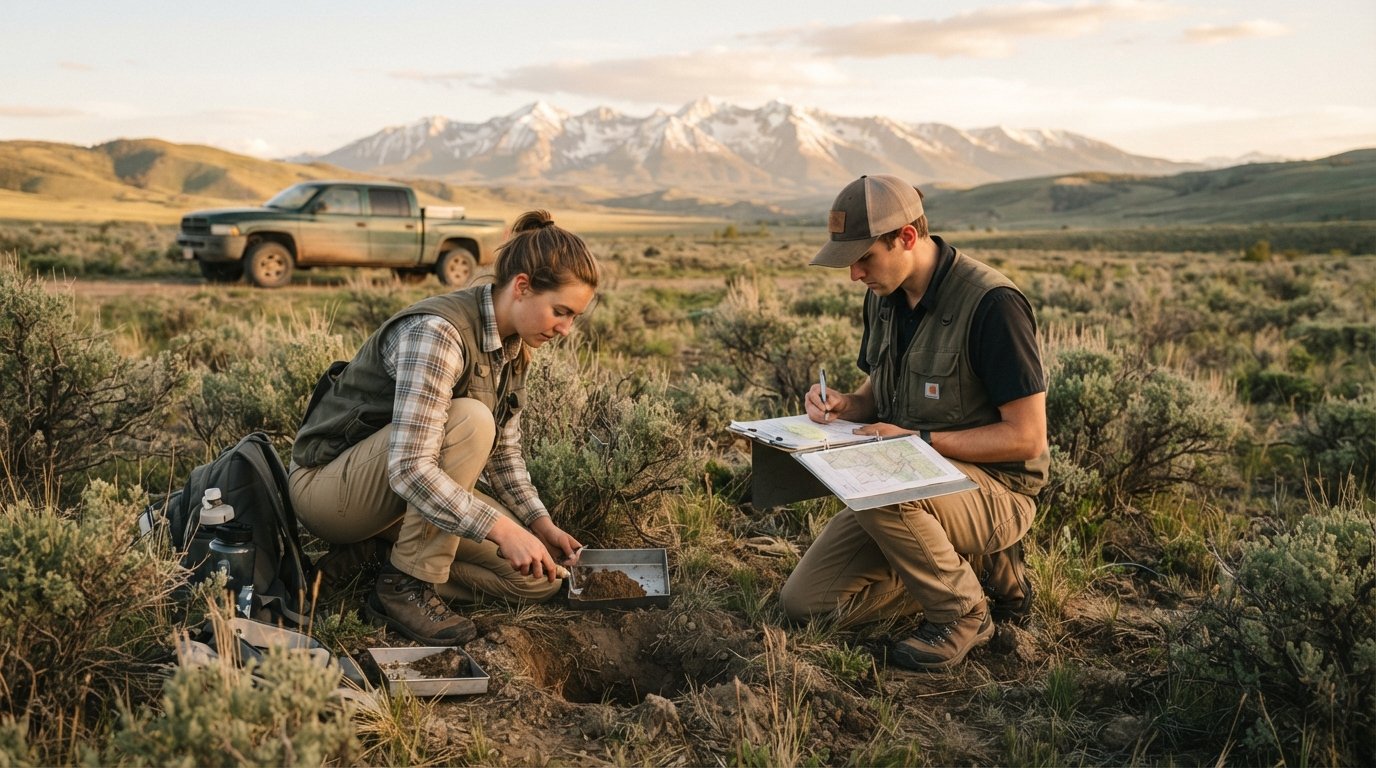
CNCC's service region includes sagebrush steppe, riparian corridors, mountain foothills, and high desert, a mix that gives instructors real examples to work with. Students often spend time outdoors collecting data, identifying plants, reading terrain, and practicing the techniques that agencies and private landowners use every day. The certificate is a general one, meaning it provides a broad foundation rather than a narrow specialization, which keeps it flexible for graduates who are not yet sure which conservation niche they want.
Typical topic areas include:
- Ecology and natural resource management fundamentals
- Soil, water, and watershed conservation practices
- Rangeland and forest management basics
- Wildlife and habitat assessment techniques
- Field mapping, data collection, and GPS use
Exact course titles and sequencing vary by academic year, so students should confirm the current catalog with an advisor. The general structure, however, is consistent: a compact set of courses that build from foundational science toward applied field skills.
Who Should Consider This Certificate
The strongest candidates for this program are people who want to work outside and prefer a hands-on credential to a traditional academic track. That includes recent high school graduates who are not ready for a four-year commitment, adult learners changing careers from indoor jobs, and workers already in agriculture or ranching who want to add formal conservation training.
It also fits students who plan to transfer. CNCC courses can support later study in natural resource management, wildlife biology, or environmental science at a four-year institution, and the certificate gives transfer students a credential to show for their first year of work. For students weighing the value of a longer program against a quicker entry point, exploring top colleges with co-op programs can help clarify how work-integrated learning fits into different pathways.
Keep in mind that this is a general certificate, not a professional license. Some conservation roles require specific certifications (pesticide applicator, first aid, or wildland fire qualifications, for example), and the program may prepare students for those exams without guaranteeing them. Students should ask advisors which external credentials pair well with the coursework.
Admission Requirements and How to Apply
Admission to a community college certificate program is typically straightforward. Applicants generally need a high school diploma or equivalent, though some colleges allow students to enroll before completing a diploma under specific conditions. Students should expect to submit an application, provide transcripts, and in some cases take a placement assessment in reading, writing, or math.
The application process usually follows a predictable sequence:
- Complete the college application and pay any application fee.
- Submit official high school or prior college transcripts.
- Take placement tests if required, or provide qualifying scores.
- Meet with an academic advisor to plan the certificate sequence.
- Register for classes and arrange financial aid or payment.
Because the program is in person and cohort sizes may be limited, early application is wise, especially for fall starts. Students should also ask about any program-specific requirements, such as a background check for field placements or a physical ability expectation for outdoor work.
Cost, Financial Aid, and Return on Investment
Community college certificate programs are generally among the most affordable credentials in higher education. Tuition at Colorado public two-year colleges is set at rates that are substantially lower than four-year institutions, and CNCC may offer additional reduced tuition for students from neighboring states or specific districts. Books, field gear (boots, rain layers, safety equipment), and transportation to field sites are real costs that students should budget for.
Financial aid options typically include federal Pell Grants, Colorado state grants, institutional scholarships, and work-study. Certificate programs that are eligible for federal aid must meet certain requirements, so students should verify eligibility with the financial aid office before assuming grants will apply. Comparing aid offers across programs is easier with a clear understanding of college costs and how aid is calculated, and resources such as CollegeAndTuition can help families plan for tuition, fees, and financial aid before committing.
The return on investment for this certificate depends on the job a graduate pursues. Entry-level conservation and natural resource roles vary widely in pay, and some positions are seasonal. Students who combine the certificate with a commercial driver's license, fire qualifications, or a bachelor's degree later on often see stronger earning potential.
Career Outcomes and Job Settings
Graduates of natural resources and conservation programs work in a range of settings. Public land agencies, soil and water conservation districts, county weed and pest departments, private ranches, environmental consulting firms, and nonprofit land trusts all hire people with applied conservation training. Job titles often include conservation technician, range technician, natural resource aide, wildlife technician, and watershed or soil conservation assistant.
Many of these roles are seasonal or grant-funded at the entry level, which is normal for the field and not a sign of a weak credential. Seasonal work is often how people build the experience needed for permanent positions. Students who plan ahead can stack certifications and work seasons to become competitive for full-time roles with agencies such as the Bureau of Land Management, U.S. Forest Service, or state wildlife and parks departments.
Pay varies by employer, location, and season. Rather than relying on a single salary figure, students should research the specific agencies and organizations they want to work for and ask advisors about recent graduate placements. The certificate is best viewed as a launch point, not a guaranteed salary outcome.
Why the In-Person Format Matters for Conservation Training
Conservation work is physical and place-based. Identifying plants, judging soil conditions, operating field equipment, and reading a landscape are skills that are difficult to learn from a screen. The in-person format at CNCC means students practice these skills with instructors nearby and with access to the landscapes they are studying.
In-person study also builds professional habits: punctuality, teamwork, safety awareness, and the ability to communicate findings clearly. These are the qualities that supervisors in the field look for, and they are hard to demonstrate in a fully online program. Students who thrive in hands-on settings often find this format the most motivating part of the certificate.
How the Certificate Fits Into a Longer Pathway
One of the strengths of a short certificate is that it does not close doors. Students can use it as a standalone credential, or they can apply credits toward an associate degree at CNCC and then transfer to a four-year program in natural resource management, environmental science, or wildlife biology. Advising matters here: not every credit transfers the same way, and students should confirm articulation agreements before assuming a smooth transition.
For students who want to keep climbing, the certificate can be the first step in a longer plan that includes a bachelor's degree and eventually specialized roles in resource management, policy, or research. Students who are comparing degree levels can review program options and career outcomes through college planning resources and degree comparison tools before making a final decision.
Questions to Ask Before Enrolling
Prospective students should treat the application process as a chance to gather information, not just complete paperwork. A short list of questions can prevent surprises later:
- Which courses are offered each term, and can the certificate be finished in 12 months or does it require 18?
- What percentage of graduates go directly to work, and with which employers?
- Are there field placement or internship requirements, and who arranges them?
- Which external certifications does the program prepare students for?
- How do credits transfer to four-year institutions in Colorado?
Answers to these questions will vary by year and by advisor, so students should ask early and get responses in writing when possible.
Final Thoughts on Choosing This Program
The Natural Resources/Conservation, General Certificate, 1 year to less than 2 years In-person at Colorado Northwestern Community College is a focused, affordable way to enter a field that rewards practical skill and outdoor competence. It suits students who want to work on the land, who value hands-on learning, and who want a credential they can use quickly or build on later. As with any program, outcomes depend on the student's effort, the job market, and the choices made after graduation, so applicants should verify current details with CNCC and plan carefully before enrolling.