
Top Healthcare Degree Pathways in Delaware for 2026
Discover the top accredited programs and strategic pathways leading to high-demand healthcare careers in Delaware’s growing medical sector.

By Benjamin Clarke
Delaware’s healthcare sector is a cornerstone of its economy and community well-being, offering a wealth of stable, high-demand, and rewarding career opportunities. For students and career-changers alike, navigating the educational landscape to enter this vital field can be daunting. The key to a successful and fulfilling career lies in identifying not just any program, but a superior healthcare degree pathway, one that combines rigorous academics, practical clinical experience, strong institutional support, and clear alignment with the state’s employment needs. Delaware, with its unique blend of academic institutions, hospital systems, and community health networks, provides several standout routes for aspiring healthcare professionals. This guide will explore the most effective and respected degree pathways available within the state, helping you make an informed decision that aligns with your professional aspirations and the evolving demands of Delaware’s healthcare industry.
Understanding Delaware’s Healthcare Landscape and Demand
Before selecting a degree pathway, it is crucial to understand the environment in which you will work. Delaware’s healthcare system is characterized by several major players, including ChristianaCare, one of the nation’s largest health systems, Bayhealth, Nemours Children’s Health, and the VA Medical Center. These institutions are not just employers, they are often direct partners with academic programs, providing essential clinical training sites. The state faces specific demographic and health challenges that shape workforce needs, such as an aging population, a high prevalence of chronic diseases, and health disparities in certain communities. Consequently, there is consistent demand for nurses (especially in critical care, emergency, and gerontology), physician assistants, medical laboratory scientists, radiologic technologists, public health professionals, and healthcare administrators. A superior degree pathway will explicitly prepare you to address these local needs, often through curriculum designed in consultation with regional employers and through clinical placements within these very systems.
Key Components of a Superior Healthcare Degree Program
Not all degree programs are created equal. When evaluating healthcare pathways in Delaware, prospective students should look for several non-negotiable markers of quality and effectiveness. First and foremost is accreditation. Programmatic accreditation from bodies like the Commission on Collegiate Nursing Education (CCNE), the Accreditation Commission for Education in Nursing (ACEN), or the relevant accreditor for allied health fields is essential for licensure, certification, and employment. Second is the strength and depth of clinical partnerships. Programs with established relationships with top-tier hospitals and clinics offer students superior hands-on training and often have higher job placement rates post-graduation. Third, consider faculty expertise. Instructors who maintain active clinical practices or research in their field bring current, real-world knowledge into the classroom. Finally, student support services, such as dedicated academic advising, tutoring, licensure exam preparation, and career counseling, are critical for success in demanding healthcare curricula.
To help you evaluate programs, here are the core attributes to prioritize:
- Regional and Programmatic Accreditation: Ensures educational quality and eligibility for professional credentials.
- Robust Clinical Placement Network: Provides diverse, high-quality hands-on experience with leading healthcare providers.
- High Licensure and Certification Pass Rates: Indicates effective preparation for the mandatory exams to practice.
- Strong Graduate Employment Outcomes: Look for published data on job placement within the field shortly after graduation.
- Pathways for Advancement: Programs that offer clear bridges to higher degrees (e.g., RN-to-BSN, bachelor’s-to-master’s) support long-term career growth.
Investing time in verifying these components will pay significant dividends in your educational experience and career trajectory.
Standout Healthcare Degree Pathways in Delaware
Delaware is home to a select group of institutions that offer particularly strong, career-focused healthcare programs. These pathways are distinguished by their integration with the state’s healthcare infrastructure and their proven outcomes.
University of Delaware: A Hub for Interdisciplinary Health Sciences
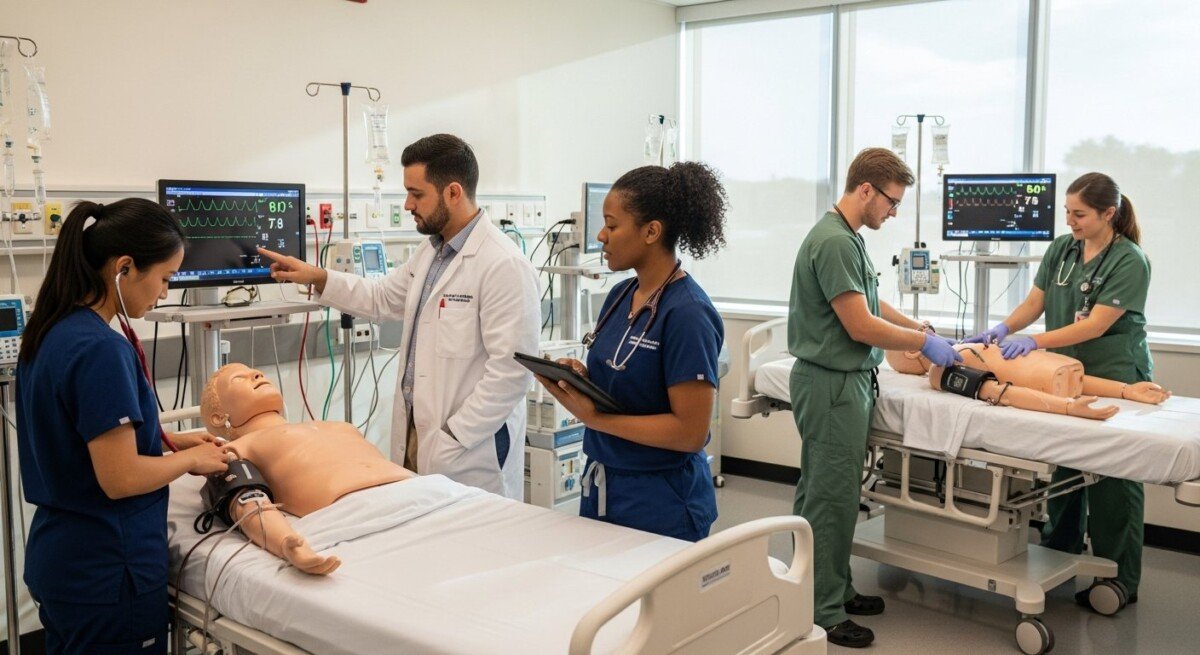
The University of Delaware (UD) stands as a premier institution for healthcare education, largely due to its interdisciplinary approach and research prowess. Its College of Health Sciences houses several top-tier programs. The Nursing BSN program is highly competitive and benefits from state-of-the-art simulation labs and partnerships with clinical sites across the region. For those interested in the science behind medicine, the Medical Laboratory Science program is a direct pipeline to in-demand careers in diagnostics. UD’s Exercise Science program, often a precursor to advanced study in physical therapy or occupational therapy, is nationally recognized. Furthermore, UD’s strong emphasis on undergraduate research allows students to work alongside faculty on cutting-edge health projects, an experience that strengthens applications for graduate or professional school. Their programs are designed not just to teach skills, but to develop the critical thinkers and innovators that Delaware’s healthcare system needs.
Delaware Technical Community College: The Foundation for Allied Health Careers
Delaware Tech is the backbone of the state’s allied health workforce. Its associate degree and certificate programs are precisely engineered to meet immediate local employment needs, often developed in direct consultation with Delaware healthcare employers. Pathways in Radiologic Technology, Respiratory Care, Surgical Technology, and Dental Hygiene are exemplary. These programs are intensely hands-on, with clinical rotations integrated throughout the curriculum at hospitals and clinics where students are likely to be hired. The college’s career-focused model means graduates are job-ready in two years or less, with a high probability of employment. For many students, Delaware Tech serves as an affordable and efficient starting point, with many of its programs designed for seamless transfer to four-year institutions like Wilmington University or the University of Delaware for those wishing to pursue a bachelor’s degree later, a strategy we explore in our guide on academic track degrees for advanced study.
Wilmington University: Flexibility for the Working Professional
Wilmington University (Wilmu) excels in providing accessible and flexible healthcare degree pathways, particularly for adult learners and those already working in the field. Its College of Health Professions and Natural Sciences offers a wide array of programs, from an online RN-to-BSN completion program that is popular among Delaware’s hospital nurses to bachelor’s degrees in Health Sciences and Health Promotion. Wilmu’s graduate programs, including the Master of Science in Nursing (with specializations like Family Nurse Practitioner) and the Master in Healthcare Administration, are structured with working professionals in mind, featuring hybrid and online formats. The university’s close ties to the local healthcare community ensure that its curriculum remains practical and relevant. This model of flexible, applied education makes Wilmu a critical partner in upskilling Delaware’s existing healthcare workforce.
Accelerated and Direct-Entry Pathways
For individuals holding a bachelor’s degree in another field, Delaware offers accelerated pathways to transition rapidly into healthcare. These intensive programs compress the essential coursework and clinical training into a shorter timeframe, typically 12 to 24 months. While demanding, they are a powerful option for career-changers seeking efficiency. For example, accelerated second-degree BSN programs are available for those who wish to become registered nurses. While no medical school exists within Delaware, the state has agreements with neighboring institutions, and pre-medical tracks at UD provide a strong foundation for application to medical, dental, or veterinary school. When researching these fast-paced options, it is vital to verify their support structures, as the condensed schedule requires significant dedication. Success in these programs often hinges on the availability of strong academic advising and peer support networks.
Financial and Academic Planning Strategies
Pursuing a healthcare degree is a significant investment. Fortunately, Delaware-specific resources can help mitigate costs. The state’s Inspire Scholarship supports students in high-demand fields, including nursing and allied health, who commit to working in Delaware after graduation. Many hospital systems, like ChristianaCare, offer substantial tuition reimbursement or loan forgiveness programs for employees pursuing relevant degrees, effectively creating a “earn while you learn” model. From an academic planning perspective, prospective students should meticulously review prerequisite courses, which often include specific lab sciences (biology, chemistry, anatomy) with minimum grade requirements. Engaging with an admissions counselor or program advisor early in the process is invaluable. They can help you map out a course sequence, understand transfer credit policies, and ensure you meet all application deadlines, which for competitive clinical programs can be a year or more in advance.
Frequently Asked Questions
What is the fastest way to become a registered nurse (RN) in Delaware?
The fastest traditional route is an Associate Degree in Nursing (ADN) from Delaware Technical Community College, which can be completed in about two years. For those who already hold a bachelor’s degree in another field, an accelerated BSN program, available through partnerships or at nearby universities, can lead to licensure in 12-18 months of intensive study.
Are online healthcare degrees from Delaware institutions respected by employers?
Yes, provided they are from accredited institutions. Schools like Wilmington University have a long-standing reputation for quality online and hybrid programs, especially for RN-to-BSN completion and graduate degrees like Healthcare Administration. The key is regional accreditation and, for clinical fields, proper programmatic accreditation. Employers value the competency of the graduate, not the delivery format.
How important is clinical experience during my degree program?
It is absolutely critical. Clinical rotations are where theoretical knowledge is applied. Superior healthcare degree pathways in Delaware prioritize extensive, diverse clinical placements within respected healthcare systems. This experience is vital for skill development, professional networking, and meeting licensure requirements. It often directly leads to job offers.
Can I start at a community college and transfer to a university for a healthcare degree?
Absolutely. This is a very common and financially smart strategy. Delaware Tech has specific articulation agreements with four-year schools like the University of Delaware and Wilmington University to ensure smooth transfer of credits into bachelor’s programs in nursing, health sciences, and related fields. Careful planning with an advisor is essential to follow the correct course sequence.
What healthcare careers are in the highest demand in Delaware for the coming years?
Consistent high-demand roles include Registered Nurses (particularly in specialty areas), Nurse Practitioners, Physician Assistants, Medical and Clinical Laboratory Technologists, Radiologic Technologists, Respiratory Therapists, and Healthcare Administrators. Public health and behavioral health professionals are also increasingly needed. For broader academic program insights into growing fields, exploring dedicated educational resource sites can be helpful.
Choosing the right educational pathway is the first decisive step toward a meaningful career in healthcare. By focusing on accredited programs with strong clinical partnerships, clear graduate outcomes, and alignment with Delaware’s specific needs, you position yourself for not just a job, but a sustained and impactful profession. The investment in a superior healthcare degree pathway in Delaware is an investment in the health of your community and your own future. Take the time to research, visit campuses, speak with faculty and current students, and connect with professionals in your field of interest. Your journey into Delaware’s vital healthcare sector starts with this informed, strategic choice.