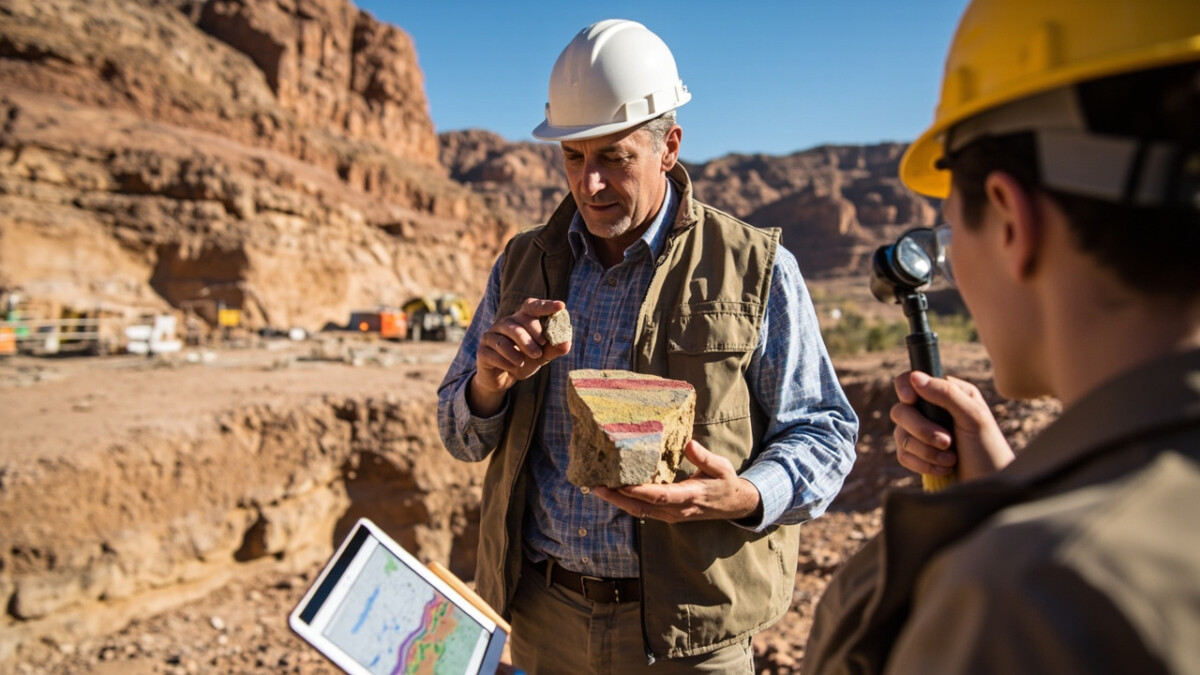
Geology is far more than a science of rocks and fossils. It is a dynamic field that drives energy exploration, environmental protection, and infrastructure development. For students and professionals considering this path, the intersection of scientific rigor and real-world application makes it both intellectually rewarding and financially promising. The question many ask is whether a geology degree can lead to a stable, high-income career. The answer is a definitive yes, especially for those who pursue specialized roles in industries like oil and gas, mining, or environmental consulting. This guide explores the most lucrative opportunities in the field and provides a clear picture of the job outlook through 2030 and beyond.
Why Geology Is a High Paying Career Path
Geology careers command strong salaries because the work is technically demanding and directly tied to valuable natural resources. Geologists help locate oil, gas, minerals, and groundwater. They assess environmental hazards and guide construction projects. Companies and governments pay a premium for accurate subsurface data because mistakes cost millions. For example, a single dry well in oil exploration can waste tens of millions of dollars. Skilled geologists reduce that risk. This is why experienced petroleum geologists often earn six-figure salaries within a few years of entering the industry. The field also offers stability. Energy and mineral demand does not disappear during economic downturns. Even in recessions, geologists are needed to maintain production and comply with environmental regulations.
Top High Paying Geology Jobs and Salaries
Not all geology careers pay equally. The highest salaries cluster around industries that extract or manage natural resources. Below is a breakdown of the most financially rewarding roles, including typical salary ranges and educational requirements.
Petroleum Geologist
Petroleum geologists search for oil and natural gas deposits beneath the earth’s surface. They use seismic data, well logs, and geological maps to identify drilling locations. This is often the highest paying geology job. According to the U.S. Bureau of Labor Statistics (BLS), the median annual wage for geoscientists (a category that includes petroleum geologists) was around $93,580 in 2023. However, experienced petroleum geologists in major oil companies frequently earn between $130,000 and $200,000 or more, especially with bonuses. Entry-level positions require a bachelor’s degree, but a master’s degree significantly improves advancement prospects.
Mining Geologist
Mining geologists work for mining companies to locate and evaluate ore deposits. They plan drilling programs, estimate resource grades, and guide extraction operations. The median salary for mining geologists ranges from $85,000 to $145,000 depending on experience and location. Senior roles at large mining firms often exceed $160,000. A bachelor’s degree in geology or geological engineering is the minimum requirement. Many employers prefer a master’s degree or experience with specific commodities like gold, copper, or lithium.
Environmental Geologist
Environmental geologists study the interaction between the earth and human activities. They assess contamination from industrial sites, design remediation plans, and ensure compliance with environmental laws. While starting salaries are lower than petroleum or mining roles (typically $55,000 to $75,000), experienced environmental geologists can earn $90,000 to $130,000. Those who become project managers or start their own consulting firms often earn more. A bachelor’s degree is sufficient for entry-level work, but professional licensure (PG or Professional Geologist) and a master’s degree boost earning potential.
Geophysicist
Geophysicists apply physics principles to study the earth’s structure and processes. They use gravity, magnetic, and seismic methods to map subsurface formations. This role overlaps heavily with petroleum and mining geology. Median salaries for geophysicists range from $100,000 to $150,000, with top earners in oil and gas surpassing $180,000. A master’s degree or Ph.D. is common for advanced research and leadership positions.
Engineering Geologist
Engineering geologists provide geological input for construction projects such as tunnels, dams, bridges, and buildings. They assess slope stability, soil mechanics, and foundation conditions. Salaries typically range from $75,000 to $120,000. Senior consultants and those with professional engineering licenses can earn $130,000 or more. A bachelor’s degree in geology or geological engineering is required, and many states require licensure.
Geoscience Manager
Geoscience managers oversee teams of geologists and geophysicists. They coordinate exploration programs, manage budgets, and report to executives. This is a high-level role that typically requires 10 to 15 years of experience. Median salaries exceed $140,000, and top earners in major oil and gas companies can make over $200,000. A master’s degree or Ph.D. combined with strong leadership skills is essential.
Educational Pathways for High Paying Geology Careers
The most lucrative roles in geology almost always require advanced education. A bachelor’s degree in geology, earth science, or geological engineering is the minimum entry point. However, the highest salaries go to those with a master’s degree or Ph.D. For example, petroleum and mining companies routinely hire master’s-level geologists for exploration roles. A Ph.D. is often required for research positions in geophysics or geochemistry. Key courses that boost employability include:
- Structural geology and tectonics
- Sedimentology and stratigraphy
- Geophysics and seismic interpretation
- Geochemistry and petrology
- Hydrogeology and environmental geology
- Geographic Information Systems (GIS) and remote sensing
Internships with energy or mining companies are critical. They provide hands-on experience with industry software and field methods. Many employers use internships as a pipeline for full-time hires. Additionally, earning a Professional Geologist (PG) license can increase salary by 10 to 20 percent and is required for certain consulting roles.
Job Outlook for Geologists Through 2033
The U.S. Bureau of Labor Statistics projects employment for geoscientists to grow 5 percent from 2023 to 2033, about as fast as the average for all occupations. This translates to roughly 1,600 new job openings each year. However, the outlook varies significantly by industry. Here is a breakdown of demand by sector:
- Oil and gas extraction: Employment is sensitive to global oil prices. When prices are high, companies invest heavily in exploration. When prices drop, hiring slows. Long-term demand is driven by deepwater and unconventional resources.
- Mining: Demand for critical minerals (lithium, cobalt, rare earth elements) for electric vehicle batteries and renewable energy is booming. This creates strong demand for mining geologists.
- Environmental consulting: Stricter environmental regulations and climate change adaptation projects are increasing demand for environmental geologists. This sector is less cyclical than oil and gas.
- Government and academia: Stable but slower growth. Federal agencies like the U.S. Geological Survey (USGS) hire geologists for mapping, hazard assessment, and research.
Geographic location also matters. The highest concentrations of geology jobs are in Texas (oil and gas), Colorado (mining and environmental), Alaska (oil and mining), and the Mountain West (mining). Geologists willing to work in remote locations or overseas often command higher salaries. For those exploring alternative pathways to financial stability, our guide on 10 Easiest High Paying Jobs to Get and Career Paths provides additional context on degrees that offer quick returns.
How to Maximize Earnings in Geology
Earning potential in geology is not automatic. It requires strategic career moves. Here are actionable steps to increase your salary over time:

1. Specialize in a high-demand subfield. Petroleum geology and mining geology pay the most. Environmental geology pays less but offers more stability. Choose your specialization based on your risk tolerance and lifestyle preferences.
2. Pursue a master’s degree. The salary gap between a bachelor’s and a master’s degree in geology is significant. Master’s graduates often start at salaries 20 to 30 percent higher than bachelor’s graduates.
3. Obtain professional licensure. Becoming a Professional Geologist (PG) or a Professional Engineer (PE) for engineering geologists opens doors to higher-paying consulting and management roles.
4. Gain field experience. Hands-on field work is highly valued. Employers pay a premium for geologists who can operate drilling rigs, conduct seismic surveys, or manage sampling programs.
5. Develop technical skills. Proficiency in GIS, remote sensing, and geological modeling software (Petrel, Leapfrog, Surfer) increases your value. Data analysis and programming skills (Python, R) are increasingly sought after.
6. Network and change jobs strategically. Loyalty to one employer can cap salary growth. Geologists who change companies every 3 to 5 years often see larger salary increases than those who stay in the same role.
Frequently Asked Questions
What is the highest paying job in geology?
The highest paying job in geology is typically petroleum geologist, with experienced professionals in major oil companies earning $150,000 to $200,000 or more. Geoscience managers and senior geophysicists also earn top salaries.
Can you make six figures with a geology degree?
Yes. Many geologists in petroleum, mining, and geophysics earn six-figure salaries within 5 to 10 years of experience. Entry-level salaries are lower, but the earning trajectory is strong.
Is geology a good career for the future?
Yes, especially for those in resource extraction and environmental consulting. Demand for critical minerals and clean energy transition is creating new opportunities. The job outlook is stable, with above-average growth in certain sectors.
Do you need a master’s degree for high paying geology jobs?
Not always, but it helps significantly. Many high-paying roles in petroleum and mining prefer or require a master’s degree. A bachelor’s degree is sufficient for some environmental and entry-level positions, but salary growth is slower.
What skills are most valuable for geologists?
Technical skills in seismic interpretation, GIS, and geological modeling are highly valued. Data analysis, programming, and communication skills are increasingly important. Field experience and a willingness to travel or relocate also boost earning potential.
Start Your Journey Toward a High Paying Geology Career
Geology offers a rare combination of intellectual challenge, outdoor work, and financial reward. The highest paying paths require advanced education, specialized skills, and a willingness to work in resource-driven industries. But for those who invest in their education and build relevant experience, the payoff is substantial. Whether you aim for the oil fields of Texas, the mines of Nevada, or the consulting offices of Denver, a geology degree can be the foundation of a prosperous career. To explore degree programs that align with these goals, visit DegreesOnline.Education for a comprehensive directory of accredited online and on-campus programs. The earth holds immense value. Geologists are the ones who unlock it.