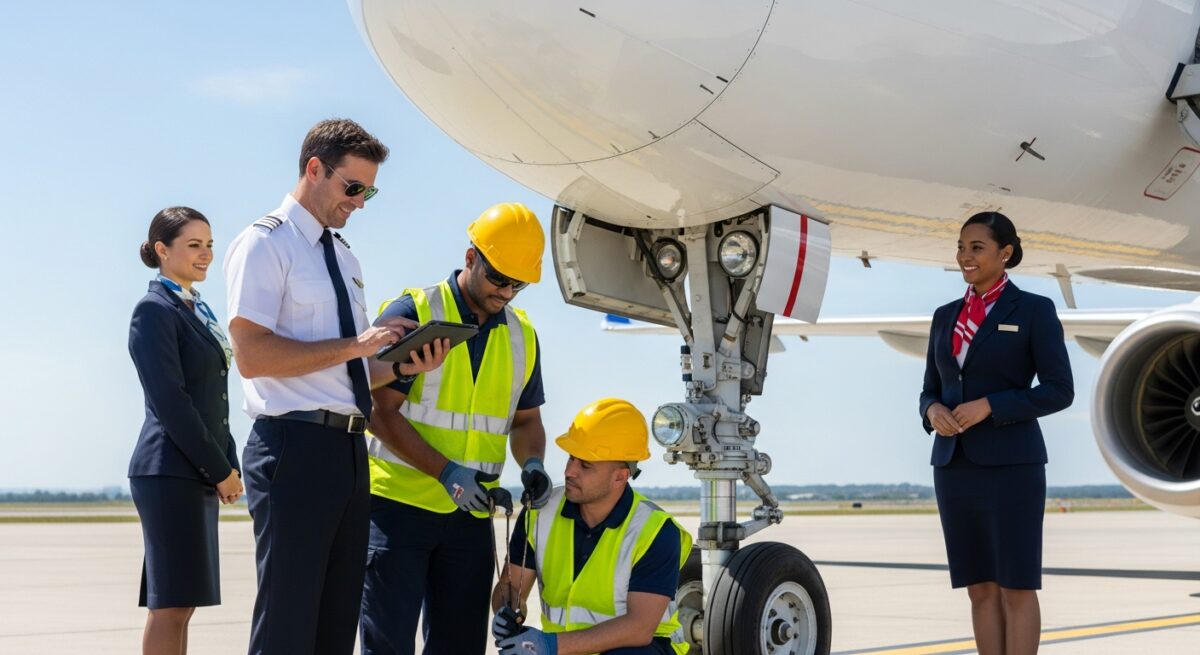
The aviation industry offers some of the most financially rewarding career paths available today, combining technical expertise with the thrill of flight. Whether you dream of commanding a commercial jet or designing cutting-edge aircraft systems, the sector provides substantial income potential for dedicated professionals. With global air travel demand continuing to rise, the need for skilled aviation workers has never been greater. This article explores the most lucrative roles in the field, detailing salary expectations, educational requirements, and advancement opportunities. By understanding these high paying careers in aviation, you can make an informed decision about your professional future and take the first steps toward a prosperous journey in the skies.
Why Aviation Careers Command Top Salaries
The aviation industry demands a unique combination of specialized training, rigorous certification, and unwavering commitment to safety. These factors naturally drive compensation upward. Pilots, for instance, must accumulate thousands of flight hours and pass stringent medical and proficiency exams. Engineers in this field need advanced degrees and a deep understanding of aerodynamics, materials science, and regulatory compliance. The high stakes of passenger safety and the complexity of modern aircraft systems mean employers are willing to pay premium wages to attract and retain top talent. Additionally, the industry’s unionized workforce in many sectors negotiates strong pay scales and benefits packages, further elevating earning potential across the board.
Beyond base salaries, many aviation roles offer significant additional compensation. Airline pilots receive per diem allowances, profit sharing, and retirement benefits. Air traffic controllers enjoy federal government benefits and early retirement options. Aerospace engineers often earn bonuses tied to project milestones or company performance. When evaluating high paying jobs in aviation, it is essential to consider the total compensation package, not just the base salary. The combination of high initial investment in training and the ongoing demand for qualified professionals creates a career landscape where financial rewards are substantial for those who persevere.
Top 5 Highest Paying Aviation Careers
While many roles in aviation offer comfortable incomes, a select few stand out for their exceptional earning potential. The following list highlights positions that consistently rank among the most lucrative in the industry. These careers require significant dedication and investment in education and training, but the financial returns are correspondingly high.
- Airline Pilot (Captain): $200,000 to $400,000+ annually for senior captains at major carriers, with first officers earning $100,000 to $200,000.
- Air Traffic Controller: $130,000 to $180,000 per year, with top earners at high-traffic facilities exceeding $200,000.
- Aerospace Engineer: $110,000 to $170,000 annually, with senior specialists and managers earning $180,000 to $250,000.
- Aviation Maintenance Manager: $100,000 to $150,000 per year, with directors of maintenance at major airlines earning up to $200,000.
- Aviation Safety Inspector: $90,000 to $140,000 annually, with supervisory roles at the FAA offering higher pay scales.
These figures represent averages and can vary based on geographic location, employer size, years of experience, and specific job responsibilities. For example, a captain flying international routes for a legacy carrier will earn more than a regional airline captain. Similarly, air traffic controllers at busy centers like New York or Chicago earn premium pay due to the complexity of the airspace. The key takeaway is that aviation career salaries in these top roles consistently rank among the highest in any industry, making them attractive options for motivated individuals.
Airline Pilot: The Classic High Earner
The image of the airline pilot remains the most iconic in aviation. Becoming a captain at a major airline requires a significant investment of time and money. Aspiring pilots typically start with a private pilot license, then progress through instrument and commercial ratings, often earning a Certified Flight Instructor (CFI) certificate to build hours. The path from regional airline first officer to major airline captain can take a decade or more. However, the financial payoff is substantial. Senior captains on wide-body aircraft flying international routes can earn over $400,000 annually. Moreover, pilots enjoy extended time off, travel benefits, and the prestige of commanding a multi-million dollar aircraft. For those willing to commit to the rigorous training and lifestyle, this career offers unparalleled financial and personal rewards.
Air Traffic Controller: High-Stakes, High Reward
Air traffic controllers manage the safe and efficient movement of aircraft in the national airspace system. This role demands intense focus, quick decision-making, and the ability to handle extreme stress. Controllers work in towers, approach control facilities, or en route centers, guiding planes during takeoff, landing, and while in the sky. The training is rigorous, including attendance at the FAA Academy and on-the-job training that can take two to four years. Once fully certified, controllers at high-density facilities can earn well over $150,000 per year, with overtime and differentials pushing earnings higher. The job also offers excellent federal benefits and mandatory retirement at age 56, allowing for a second career. This combination of high pay and job security makes it one of the most sought-after high paying jobs in aviation.
Aerospace Engineer: Designing the Future of Flight
Aerospace engineers design, develop, and test aircraft, spacecraft, and missiles. They work on everything from airframe structures and propulsion systems to avionics and flight controls. A bachelor’s degree in aerospace engineering or a related field is the minimum requirement, though many senior roles require a master’s or PhD. The work is intellectually demanding and often involves cutting-edge technology in fields like composite materials, electric propulsion, and autonomous systems. Salaries for entry-level engineers start around $75,000, but experienced engineers with specialized skills can earn $150,000 or more. Engineering managers and technical fellows at major aerospace companies like Boeing, Lockheed Martin, and SpaceX can exceed $250,000 annually. This career path appeals to those with strong analytical skills and a passion for innovation.
Educational Pathways to High-Paying Aviation Roles
Reaching the top of the aviation salary ladder requires a strategic approach to education and training. For pilots, the most direct route is through a collegiate aviation program that offers a bachelor’s degree in aviation science or professional flight. These programs combine ground school, flight training, and academic coursework, often allowing students to earn certifications while completing their degree. Many universities also have partnerships with regional airlines, offering guaranteed interview programs for graduates. For air traffic controllers, the FAA typically hires graduates of its Collegiate Training Initiative (CTI) programs, which are offered at select colleges and universities across the country. These programs provide the foundational knowledge needed to succeed at the FAA Academy.
For aerospace engineering roles, a bachelor’s degree in aerospace engineering from an ABET-accredited program is essential. Many top engineers pursue graduate degrees to specialize in areas like propulsion, structures, or avionics. Online degree programs have also become a viable option for working professionals seeking to advance their careers, particularly for management roles in aviation maintenance or airport operations. The site collegedegree.education provides resources for exploring accredited programs that align with these career goals. Regardless of the specific role, investing in the right education is a critical step toward securing a high-paying position in aviation.
Alternative High-Paying Aviation Careers
Beyond the well-known roles of pilot and controller, several other aviation careers offer excellent compensation. Aviation maintenance managers oversee teams of mechanics who inspect, repair, and overhaul aircraft. With experience and an Airframe and Powerplant (A&P) certificate, managers can earn six-figure salaries, especially at major airlines or corporate flight departments. Aviation safety inspectors work for the FAA or private companies, ensuring compliance with regulations. These roles typically require extensive experience in maintenance or operations and offer salaries from $90,000 to $140,000. Additionally, corporate aviation offers lucrative opportunities for pilots and technicians who work for Fortune 500 companies, often with higher pay and better schedules than commercial airlines.

Another growing field is aviation data analytics and management. Airlines and airports increasingly rely on data to optimize routes, reduce fuel consumption, and improve passenger experience. Professionals with skills in data science, operations research, and business analytics are in high demand, with salaries ranging from $100,000 to $160,000 for experienced analysts and managers. Similarly, airport directors and operations managers at major hubs can earn $150,000 to $250,000 annually. These roles often require a master’s degree in aviation management or a related field, combined with years of operational experience. The diversity of high paying careers in aviation means that individuals with various skill sets can find a lucrative niche.
How to Get Started in a High-Paying Aviation Career
Breaking into the top tiers of aviation requires a clear plan and persistent effort. For aspiring pilots, the first step is to research flight schools and collegiate aviation programs. Many successful pilots recommend earning a bachelor’s degree in aviation to gain a competitive edge and qualify for airline hiring minimums. Building flight hours through instruction, banner towing, or pipeline patrol is the next step, followed by applying to regional airlines. Once hired, pilots work their way up through seniority, eventually qualifying for major airline positions. For those interested in air traffic control, the path begins with applying to the FAA’s off-the-street hiring bid or completing a CTI program. The application process includes aptitude tests, a medical exam, and a security background check.
For engineering and management roles, the focus should be on earning a relevant degree and gaining internships or cooperative education experience. Many aerospace companies offer internships that lead to full-time offers. Networking through professional organizations like the American Institute of Aeronautics and Astronautics (AIAA) or the National Business Aviation Association (NBAA) can open doors to opportunities. Additionally, military service provides an alternative pathway for pilots, mechanics, and engineers, with the added benefit of tuition assistance and valuable experience. Regardless of the chosen path, continuous learning and certification are key to advancing in this dynamic industry. In our guide on 10 Easiest High Paying Jobs to Get and Career Paths, we explain how to identify roles that balance earning potential with accessible entry requirements.
Frequently Asked Questions
What is the highest paying job in aviation?
Senior airline captains flying international wide-body routes typically earn the highest salaries in aviation, often exceeding $400,000 annually. However, top aerospace engineering managers and executives at major aerospace companies can also earn comparable or higher total compensation.
Do I need a college degree to work in aviation?
While some roles like aircraft mechanic require only certification, most high-paying aviation careers benefit from or require a college degree. Pilots often need a bachelor’s degree for major airline employment, and aerospace engineers require at least a bachelor’s degree in engineering.
How long does it take to become a commercial airline pilot?
The timeline varies, but most pilots spend 2 to 4 years earning licenses and building flight hours to reach the 1,500-hour requirement for an Airline Transport Pilot (ATP) certificate. Including a college degree program, the total time can be 4 to 6 years before flying for a regional airline.
Are aviation careers stable?
Aviation careers can be cyclical, with demand fluctuating based on economic conditions. However, the long-term outlook for pilots, mechanics, and air traffic controllers is positive due to retirements and growing air travel demand. Federal roles like air traffic control offer exceptional job security.
What is the easiest high-paying aviation job to get?
Becoming an aircraft mechanic with an A&P certificate offers a relatively accessible path to a solid salary, with median earnings around $70,000 and experienced mechanics earning six figures. The training takes 18 to 24 months and does not require a college degree.
The aviation industry continues to offer some of the most rewarding career opportunities available, combining substantial financial compensation with the unique satisfaction of working in flight. Whether your passion lies in piloting, engineering, or managing complex operations, the sector provides a clear path to professional and financial success. By investing in the right education and training, you can position yourself for a lucrative and fulfilling career that literally reaches new heights. The key is to start with a clear goal, research the requirements, and commit to the journey. With dedication and the right resources, a high-paying career in aviation is well within your reach.