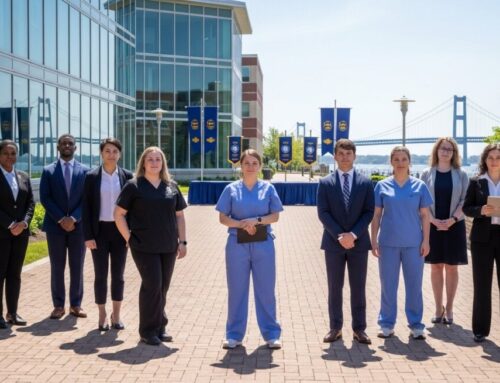
The ocean covers more than 70 percent of our planet, yet many people overlook the lucrative career paths that lie beneath the surface. Marine careers are often associated with research vessels and conservation work, but the reality is far more diverse and financially rewarding. From offshore energy to deep-sea engineering, the marine sector offers six-figure salaries for professionals with the right academic credentials. Choosing the best degrees for high paying marine careers is a strategic decision that combines a passion for the sea with a clear-eyed view of the job market. This article explores the degree programs that lead to the most profitable roles in the marine industry, helping you align your education with a career that pays well and offers long-term stability.
Why Marine Careers Pay So Well
Marine professionals command high salaries because their work often involves specialized technical knowledge, remote locations, and significant responsibility. Offshore oil rigs, submarine cable networks, and commercial shipping fleets require experts who can operate complex equipment, manage safety protocols, and solve problems in isolated environments. The demand for these skills consistently outpaces supply, driving wages upward. In our guide on 10 Easiest High Paying Jobs to Get and Career Paths, we explain how specialized training can fast-track you into high-income roles, and the marine sector is a prime example of this principle in action.
Additionally, many marine jobs involve extended periods at sea or in coastal facilities, which often come with hazard pay, overtime, and housing allowances. The combination of technical expertise and willingness to work in challenging conditions creates a premium on labor. For students evaluating their options, understanding which degrees unlock these opportunities is essential. The best degrees for high paying marine careers typically blend engineering, science, or logistics with practical maritime training.
Marine Engineering and Naval Architecture
Marine engineering and naval architecture are among the most direct pathways to high paying marine jobs. These disciplines focus on the design, construction, and maintenance of ships, submarines, offshore platforms, and other marine vessels. A bachelor’s degree in marine engineering or naval architecture from an accredited program can lead to roles such as marine engineer, naval architect, or offshore structural engineer. Graduates often start with salaries in the range of $70,000 to $90,000, and experienced professionals can earn well over $150,000 annually.
The curriculum typically includes fluid dynamics, structural analysis, propulsion systems, and materials science. Many programs also require hands-on experience through internships at shipyards or engineering firms. The demand for these skills is driven by global trade, energy exploration, and military modernization. As the shipping industry adopts greener technologies and autonomous vessels, marine engineers with expertise in alternative fuels and digital systems will be especially valuable. This degree offers a clear return on investment for students who enjoy mathematics, physics, and practical problem-solving.
Specializations Within Marine Engineering
Within marine engineering, there are several subfields that lead to even higher earning potential. Offshore engineering focuses on structures used for oil and gas extraction, as well as renewable energy platforms like wind turbines. Subsea engineering deals with equipment and pipelines on the ocean floor, a niche area with very high demand. Marine systems engineering integrates electrical, mechanical, and control systems for modern vessels. Each specialization requires additional coursework or a master’s degree, but the salary bump can be significant, often exceeding $120,000 for mid-career professionals.
Oceanography and Marine Science Degrees
While marine science degrees are often associated with academic research, they also lead to well-paying roles in government agencies, environmental consulting, and private industry. A bachelor’s degree in oceanography or marine science can open doors to positions as a physical oceanographer, marine biologist, or environmental scientist. The median salary for oceanographers is around $90,000, with top earners in the private sector making over $130,000. High paying marine jobs in this field often involve modeling ocean currents for shipping routes, assessing environmental impact for offshore projects, or developing sensors for ocean monitoring.
Students should focus on quantitative skills such as data analysis, remote sensing, and geographic information systems (GIS). These competencies are in high demand across industries that need to understand marine environments for regulatory compliance or operational planning. A master’s degree or Ph.D. is common for leadership roles, but even a bachelor’s degree can lead to lucrative entry-level positions with federal agencies like NOAA or the Navy. Marine science degrees are a strong choice for those who want a career that combines fieldwork with data-driven decision-making.
Maritime Transportation and Logistics
The global shipping industry moves more than 80 percent of world trade, and the professionals who manage this complex network earn substantial salaries. A degree in maritime transportation, logistics, or supply chain management can lead to roles as a port manager, shipping operations director, or marine terminal supervisor. The best degrees for high paying marine careers in this category often include coursework in international trade, transportation law, and fleet management. Graduates can expect starting salaries around $60,000, with experienced managers earning $100,000 to $140,000.
Licensed mariners, such as ship captains and chief engineers, follow a different path that combines a degree with Coast Guard certification. A bachelor’s degree in maritime operations from a service academy like the United States Merchant Marine Academy or Massachusetts Maritime Academy prepares students for officer roles on commercial vessels. Starting salaries for deck officers are typically $80,000 or more, and captains of large container ships can earn over $200,000. The key to success in this field is obtaining the necessary licenses and building sea time, which the degree programs facilitate through structured training voyages.
Renewable Energy and Offshore Wind
The growth of offshore wind energy has created a new frontier for high paying marine jobs. Wind farms require engineers, technicians, and project managers who understand both marine environments and energy systems. A degree in renewable energy engineering, mechanical engineering, or electrical engineering with a focus on offshore applications is a smart investment. Entry-level salaries for offshore wind engineers range from $75,000 to $95,000, and senior project managers can earn $130,000 or more.
The curriculum should include courses on wind resource assessment, marine geotechnics, and subsea cable installation. Internships with energy companies or turbine manufacturers are critical for gaining practical experience. As countries invest in clean energy infrastructure, the demand for skilled professionals in this sector will continue to rise. This is an excellent option for students who want to combine environmental values with high earning potential.

Marine Technology and Underwater Robotics
Advances in autonomous underwater vehicles (AUVs) and remotely operated vehicles (ROVs) have created a niche for engineers and technicians who specialize in marine technology. A degree in marine engineering technology, robotics, or mechatronics can lead to roles such as ROV pilot, underwater robotics engineer, or marine instrumentation specialist. These professionals support offshore oil and gas operations, deep-sea mining, and oceanographic research. Salaries for experienced ROV pilots often exceed $100,000, and engineers with expertise in underwater systems can earn $120,000 to $150,000.
The best degrees for high paying marine careers in this area emphasize hands-on training with sensors, control systems, and pressure-resistant materials. Many community colleges offer associate degrees in marine technology that lead directly to technician roles, while bachelor’s programs provide a path to engineering positions. The work is physically and mentally demanding, but the compensation reflects the specialized skills required.
Choosing the Right Degree Path
When selecting a program, consider the following factors to maximize your career prospects:
- Accreditation: Ensure the program is accredited by ABET or a recognized maritime authority. This affects licensure and employer recognition.
- Internship opportunities: Programs with strong industry connections provide hands-on experience that leads to job offers.
- Licensure pathways: For deck officer or engineering roles, the degree should align with Coast Guard certification requirements.
- Location: Schools near coastal areas or maritime hubs offer better access to internships and networking events.
- Specialization options: Look for programs that allow you to focus on high-demand areas like offshore energy or underwater robotics.
These considerations help you choose a degree that not only leads to a high salary but also fits your interests and lifestyle. Marine careers often require time away from home, so understanding the work environment is as important as the paycheck. Many professionals find the trade-off worthwhile due to the financial rewards and the opportunity to work in unique environments.
For those exploring their options, CollegeDegrees.School offers resources to compare programs, understand accreditation, and connect with schools that offer the best degrees for high paying marine careers. Using the site’s search tool by zip code can help you find local and online programs that match your goals.
Frequently Asked Questions
What is the highest paying marine career?
The highest paying marine career is typically a ship captain or chief engineer on large commercial vessels, with salaries exceeding $200,000. Offshore installation managers and subsea engineers also earn in the top tier, often above $150,000.
Do I need a degree to work in the marine industry?
Many entry-level roles, such as deckhand or oil rig worker, do not require a degree. However, the highest paying positions almost always require a bachelor’s degree or higher, especially in engineering, oceanography, or maritime operations.
How long does it take to earn a marine engineering degree?
A bachelor’s degree in marine engineering typically takes four years. Some programs offer accelerated paths or co-op options that extend the timeline but provide valuable work experience.
Are online degrees available for marine careers?
Online degrees are available for some marine-related fields, such as logistics or environmental science. However, hands-on programs like marine engineering or maritime operations require in-person lab work or sea time and are best pursued on campus.
What skills are most valuable for high paying marine jobs?
Technical skills in engineering, data analysis, and navigation are essential. Soft skills like leadership, problem-solving, and adaptability are also critical, especially for roles that involve managing crews or responding to emergencies at sea.
The marine industry offers a wealth of opportunities for those willing to invest in the right education. Whether you choose marine engineering, oceanography, or maritime logistics, focusing on accredited programs and gaining practical experience will position you for a rewarding and high paying career. The best degrees for high paying marine careers combine rigorous academics with real-world training, ensuring that graduates are ready to take on the challenges of working on or near the water. Start exploring your options today and take the first step toward a future that is both financially and personally fulfilling.