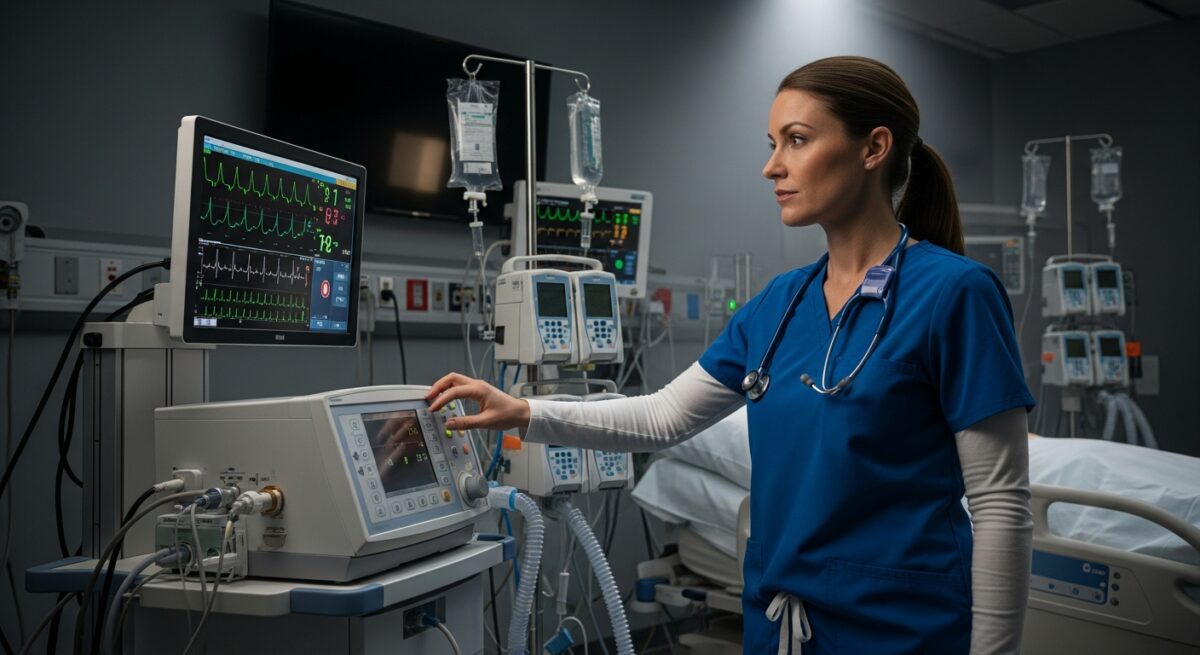
In the high-stakes world of modern healthcare, the difference between a good outcome and a catastrophic one often hinges on the expertise of the nurse at the bedside. For registered nurses aspiring to master the complex art and science of caring for the most vulnerable patients, enrolling in an elite critical care nursing program is a transformative career milestone. These intensive educational pathways are not merely certifications; they are rigorous crucibles designed to forge clinical experts, leaders, and innovators. They offer a direct route to specialized knowledge, advanced certifications, and the unparalleled competence required in ICUs, trauma centers, and emergency departments. Navigating the landscape of these programs, however, requires an understanding of what truly sets the elite apart from the standard, and how to select the one that aligns with your professional ambitions.
Defining Elite in Critical Care Nursing Education
What elevates a program to the status of “elite”? It transcends basic accreditation and curriculum checklists. Elite critical care nursing programs are characterized by a relentless focus on depth, integration, and real-world application. They are often housed within academic institutions that are themselves leaders in healthcare innovation and research, providing students with exposure to cutting-edge treatments and technologies. The faculty are not just teachers but active practitioners and thought leaders in their sub-specialties, from neurocritical care to cardiothoracic intensive care. These programs prioritize immersive, hands-on clinical placements in nationally recognized medical centers where patient acuity is high, and the learning curve is steep. The goal is to produce nurses who do not just follow protocols but understand the intricate pathophysiology behind them, can anticipate complications, and function as essential, autonomous members of the multidisciplinary team.
Core Components of a Top-Tier Program
A comprehensive elite program builds a formidable skill set through a multi-faceted approach. The foundational element is an advanced, evidence-based curriculum that delves deep into complex topics. Students master advanced hemodynamic monitoring, interpretation of sophisticated diagnostic tools, management of life-support equipment like ventilators and continuous renal replacement therapy (CRRT), and the nuanced pharmacology of critical care. But knowledge alone is insufficient. Elite programs integrate rigorous simulation training using high-fidelity manikins and standardized patient scenarios to build crisis resource management skills, teamwork, and clinical judgment in a zero-risk environment.
The clinical practicum is the cornerstone. Superior programs secure placements in Level I Trauma Centers, comprehensive stroke centers, pediatric ICUs, and transplant units. Under the guidance of expert preceptors, students learn to manage a full spectrum of critical illnesses. Furthermore, leadership and advocacy are woven throughout the curriculum, preparing nurses to champion patient safety initiatives, contribute to policy, and mentor the next generation. The culmination is often preparation for a nationally recognized certification, such as the Critical Care Registered Nurse (CCRN) offered by the AACN, which validates expertise and is a hallmark of an elite education.
Pathways to Specialization: Degrees and Certificates
Elite critical care nursing education is offered through several academic pathways, each serving different career goals. The most common and impactful entry point is the Post-Graduate Certificate or specialty track within a Master of Science in Nursing (MSN) program. This is designed for RNs with a Bachelor of Science in Nursing (BSN) who seek advanced practice knowledge without necessarily becoming a nurse practitioner. It provides the concentrated critical care theory and clinical hours needed for certification and expert bedside practice.
For those aiming for the highest level of clinical autonomy, the Acute Care Nurse Practitioner (ACNP) or Adult-Geronotological Acute Care Nurse Practitioner (AG-ACNP) programs represent the pinnacle. These MSN or Doctor of Nursing Practice (DNP) programs prepare nurses to diagnose, prescribe, and manage critically ill adults across the acuity spectrum. The clinical focus is intensely on complex, often unstable patients. Finally, for the bedside expert seeking to formalize their knowledge, intensive certificate programs or fellowships, often offered by major hospital systems themselves, provide a non-degree route to elite training. These are highly competitive and function as extended, paid residencies with didactic components.
How to Evaluate and Choose the Right Program for You
Selecting among elite critical care nursing programs requires careful self-assessment and thorough research. Begin by clarifying your objective: are you seeking to become an expert bedside clinician, an acute care NP, or a unit leader? Your answer will determine the necessary degree pathway. Next, investigate the program’s affiliations. A program integrated with a top-tier academic medical center offers irreplaceable clinical experiences. Scrutinize the curriculum details and faculty bios; look for courses taught by current ICU practitioners and opportunities for sub-specialization.
Consider these key factors when making your decision:
- Clinical Placement Quality & Variety: Does the program guarantee placements in the specialty ICUs you are most interested in (e.g., cardiac, neuro, pediatric)?
- Certification Pass Rates: What is the program’s first-time pass rate for the CCRN or other relevant certifications? This is a strong indicator of curricular effectiveness.
- Flexibility & Format: Are courses offered online, in-person, or in a hybrid model? Does the schedule accommodate working nurses?
- Career Support & Alumni Network: Does the program have strong relationships with hospital systems for job placement? An active alumni network can be a career-long resource.
- Cost & Financial Aid: Understand the total investment and explore options for employer tuition reimbursement, scholarships, or nurse corps programs.
Reach out to admissions counselors and, if possible, current students or alumni. Their insights into the program’s culture, workload, and post-graduation outcomes are invaluable. Remember, the most prestigious name is not always the best personal fit; the elite program for you is the one that aligns with your learning style, career vision, and life circumstances.
The Tangible Impact on Your Nursing Career
Graduating from an elite critical care nursing program fundamentally alters your professional trajectory. The most immediate impact is on clinical competence. You will move from task-oriented care to managing the entire patient ecosystem, making complex decisions with confidence. This expertise is directly rewarded in the marketplace. Nurses with specialized critical care credentials from recognized programs command higher salaries, are eligible for critical care differentials, and have access to the most sought-after positions in prestigious hospitals. They are often first in line for leadership roles such as charge nurse, clinical nurse specialist, or unit educator.
Beyond titles and compensation, the education fosters a profound sense of professional autonomy and satisfaction. The ability to truly understand and influence patient outcomes reduces burnout and reignites passion for nursing. It also opens doors to niches within critical care, such as flight nursing, ECMO specialist roles, or clinical research coordination. In essence, the investment in an elite program transforms you from a participant in patient care to a director of it, creating a career defined by expertise, respect, and the ability to make a definitive difference during life’s most critical moments.
Pursuing education in elite critical care nursing programs represents a significant commitment of time, intellect, and resources. It is a challenging journey that demands resilience and dedication. Yet, for those called to the intensity of the ICU, it is an indispensable step. The knowledge gained, the skills honed, and the professional network built provide a foundation for a career of lasting impact and leadership at the very forefront of nursing practice. By carefully selecting a program that embodies excellence in curriculum, clinical training, and faculty mentorship, you equip yourself not just for a job, but for a vocation as a guardian of the critically ill.