Many people assume that a high-paying, stable career requires years of college and a mountain of student debt. But that is not always the case. A growing number of well-paying jobs are accessible after just a few months or a year of focused training. These roles offer a fast track to financial independence, hands-on work, and career growth. Whether you are looking to change careers, enter the workforce quickly, or avoid the time commitment of a four-year degree, exploring jobs that require minimal schooling and training can open doors you might not have considered.
These careers span industries such as healthcare, technology, skilled trades, and public service. They often provide on-the-job learning, certification programs, or short-term diplomas. The key is knowing which paths offer the best return on your time and money. In this article, we will break down some of the most promising options, what they pay, and how you can get started. If you are curious about short education careers that lead to real opportunities, read on.
Why Choose a Career With Minimal Training?
The traditional four-year degree path is not the only route to a successful career. In fact, many fast training jobs offer competitive salaries, benefits, and advancement potential. The primary advantage is speed. You can complete a training program in weeks or months, not years. This means you start earning sooner and accumulate less student debt. Additionally, many of these roles are in high demand, offering strong job security.
Another benefit is the practical, hands-on nature of the work. Many people find that they learn better by doing rather than sitting in a lecture hall. Short-term training programs often emphasize real-world skills, making you job-ready immediately after completion. This is especially true in fields like welding, phlebotomy, and commercial driving. For those who value efficiency and tangible results, these careers are an excellent fit.
If you are weighing your options, consider what matters most to you: speed to income, job satisfaction, or work-life balance. Many fast training jobs also offer shift flexibility, opportunities for overtime, and clear paths to promotion. Some employers even pay for additional certifications, allowing you to grow without going back to school full-time.
Top Industries for Minimal Schooling Careers
Several industries are known for offering jobs that require minimal schooling and training. Below are the most accessible sectors and the specific roles within them.
Healthcare Support Roles
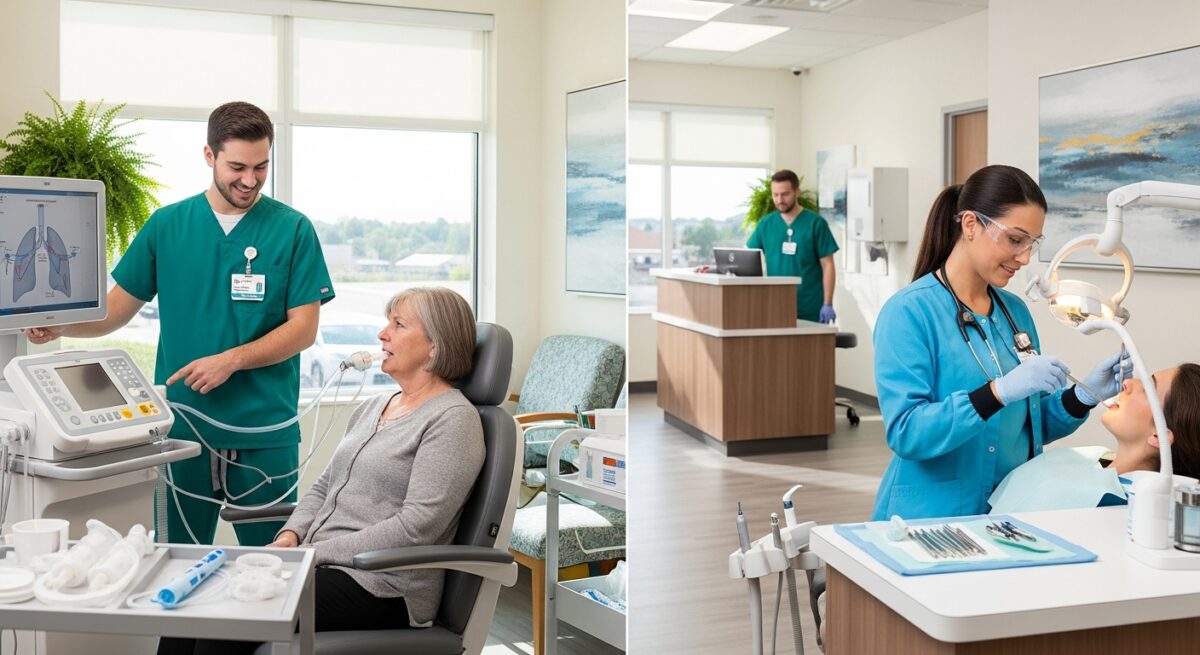
Healthcare is one of the largest employers of workers with short-term training. Roles such as certified nursing assistant (CNA), medical assistant, and phlebotomist typically require a certificate that can be earned in less than a year. These positions are in high demand due to an aging population and ongoing healthcare needs. The work is meaningful, and the entry barrier is low. Many programs are offered at community colleges, vocational schools, and even online with clinical components.
For example, a phlebotomy program might take only 4-6 months. Graduates can work in hospitals, clinics, and labs. The median annual salary for phlebotomists is around $37,000, with experienced professionals earning more. Medical assistants often earn between $35,000 and $45,000 per year. These roles also provide a stepping stone to more advanced healthcare careers if you choose to continue your education later.
Skilled Trades
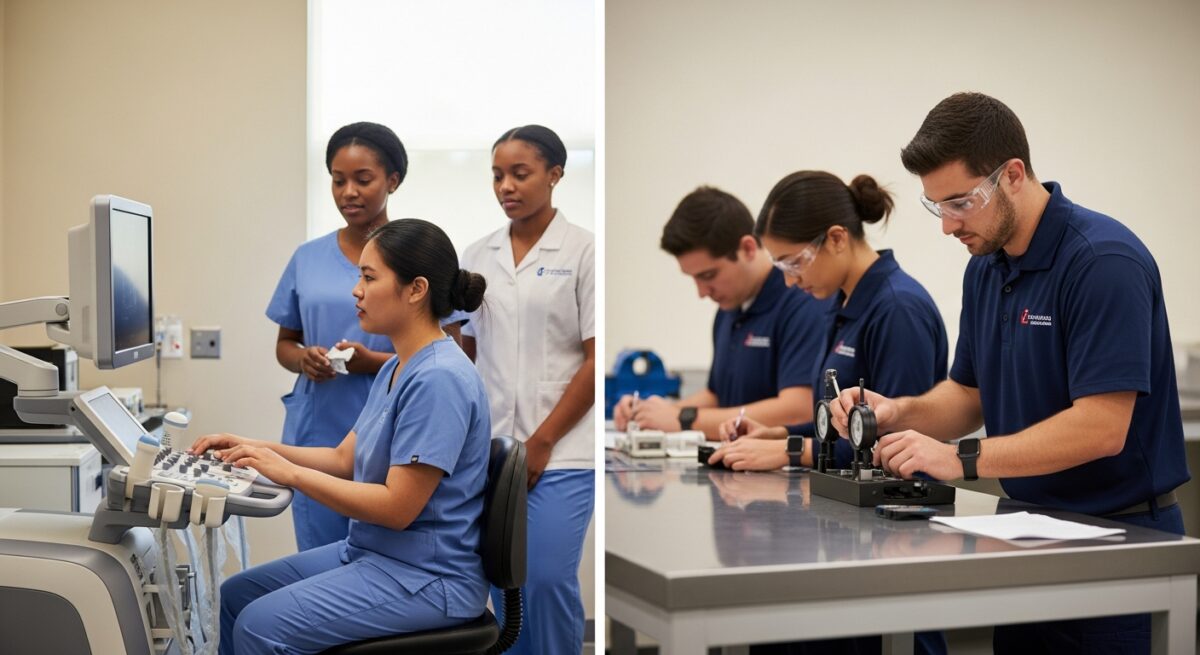
Skilled trades are a classic example of short education careers that pay well. Electricians, plumbers, welders, and HVAC technicians require apprenticeships or vocational training that lasts 1-2 years. However, many programs offer a certificate in as little as 6-12 months. The earning potential is strong. Welders, for instance, can earn over $50,000 annually, with top earners making six figures. The demand for skilled trades is high, and the work cannot be outsourced.
Apprenticeships combine paid on-the-job training with classroom instruction. This means you earn while you learn. Many trade unions and companies sponsor apprenticeships, covering the cost of training. After completing a program, you can become a journeyman or master in your field, significantly increasing your income.
Technology and IT Certifications
The tech industry is not limited to computer science degrees. Many IT roles require only certifications that can be obtained in a few months. CompTIA A+, Network+, and Security+ are entry-level certifications that open doors to help desk technician, network administrator, and cybersecurity analyst roles. These fast training jobs often start at $40,000-$55,000 per year. With experience, salaries can rise quickly.
Online bootcamps and self-study options make it easy to prepare for these exams. Some community colleges also offer short-term programs. The tech field values skills over degrees, so if you can demonstrate competence, you can get hired. This is one of the most flexible and rapidly growing areas for jobs that require minimal schooling and training.
Transportation and Logistics
Commercial truck driving is another career that requires minimal formal education. A commercial driver’s license (CDL) can be obtained after a few weeks of training. Truck drivers earn a median salary of around $48,000, with long-haul drivers making more. The demand for drivers is high, and many companies offer signing bonuses and paid training.
Other roles in logistics, such as warehouse supervisor or supply chain coordinator, may require only a high school diploma and short-term certification. These positions offer stability and opportunities for advancement into management.

How to Get Started: A Step-by-Step Approach
If you are ready to pursue one of these jobs that require minimal schooling and training, follow this simple framework to ensure success.
- Identify your interests and strengths. Do you enjoy working with your hands, helping others, or solving technical problems? Choose a field that aligns with your natural abilities.
- Research training programs. Look for accredited programs at community colleges, trade schools, or online platforms. Compare costs, duration, and job placement rates.
- Check for financial aid. Many short-term programs qualify for federal grants, scholarships, or employer sponsorship. Do not let cost be a barrier.
- Complete your training and certification. Focus on hands-on practice and pass any required exams. Some programs also offer job placement assistance.
- Apply for jobs and network. Use online job boards, attend career fairs, and connect with local employers. Highlight your certification and any practical experience gained during training.
Each step is designed to move you quickly from training to earning. Many people complete this process in under a year. The key is to stay focused and take advantage of available resources. For more detailed guidance on specific career paths, you can explore our related content on high paying jobs with minimal schooling: fast track careers.
Comparing Earning Potential and Training Time
To help you make an informed decision, here is a comparison of several popular short education careers with their typical training duration and median salaries.
- Certified Nursing Assistant (CNA): 4-12 weeks of training; median salary $34,000.
- Phlebotomist: 4-6 months; median salary $37,000.
- Medical Assistant: 9-12 months; median salary $41,000.
- Welder: 6-12 months; median salary $47,000.
- HVAC Technician: 6-12 months (plus apprenticeship); median salary $50,000.
- Electrician: 1-2 years (apprenticeship); median salary $60,000.
- IT Support Specialist (CompTIA A+): 3-6 months; median salary $55,000.
- CDL Truck Driver: 3-8 weeks; median salary $48,000.
As you can see, the investment in time is relatively low compared to the earning potential. Many of these roles also offer benefits like health insurance, retirement plans, and paid time off. Additionally, some employers provide tuition reimbursement for further education, allowing you to advance without stopping your career.
Frequently Asked Questions
What are the fastest jobs to get with no experience?
Some of the fastest jobs include CNA, phlebotomist, and truck driver. These roles typically require only a few weeks to months of training and are actively hiring. Many companies provide on-the-job training for entry-level positions like home health aide or warehouse worker.
Can I make a good living with minimal schooling?
Yes. Many jobs that require minimal schooling and training pay above the national average. Skilled trades like electrician and welder offer salaries that can exceed $80,000 with experience. IT certifications and truck driving also provide solid middle-class incomes. The key is to choose a field with high demand and opportunities for overtime or advancement.
Do I need a high school diploma for these jobs?
Most of these careers require a high school diploma or GED. Some programs, like certain trade apprenticeships, may accept applicants without a diploma if they pass an aptitude test. However, having a diploma or equivalent is generally recommended for the best opportunities.
Are online training programs valid?
Many reputable online programs exist, especially for IT certifications and healthcare administrative roles. However, hands-on trades like welding or phlebotomy require in-person clinical or lab hours. Always verify that the program is accredited and recognized by employers in your area.
How do I find financial aid for short-term training?
Start by filling out the Free Application for Federal Student Aid (FAFSA). Many short-term programs at community colleges qualify for Pell Grants. You can also check with your state’s workforce development agency for grants or scholarships. Some employers offer tuition assistance if you commit to working for them after training. For more information on navigating your options, you can visit CollegeDegree.education, a resource for educational planning and career guidance.
Another option is to look into nonprofit organizations that offer scholarships for trade school or certification programs. Many of these are targeted at specific demographics or fields, such as women in trades or veterans. Do not overlook local unions or trade associations, which often have training funds available.
Your Next Step Toward a Fast-Track Career
The idea that you need a four-year degree to succeed is outdated. The modern workforce is full of opportunities for those willing to learn a specific skill quickly. From healthcare to technology to the trades, jobs that require minimal schooling and training can provide a stable, rewarding, and well-paying career. The key is to take action. Research the options, choose a path that fits your life, and enroll in a program that gets you started fast. Your future career may be closer than you think.
Whether you are a recent high school graduate, a parent re-entering the workforce, or someone looking for a fresh start, these fast training jobs offer a practical and efficient way to achieve your goals. Do not wait. The demand for skilled workers is high, and the time to invest in yourself is now.