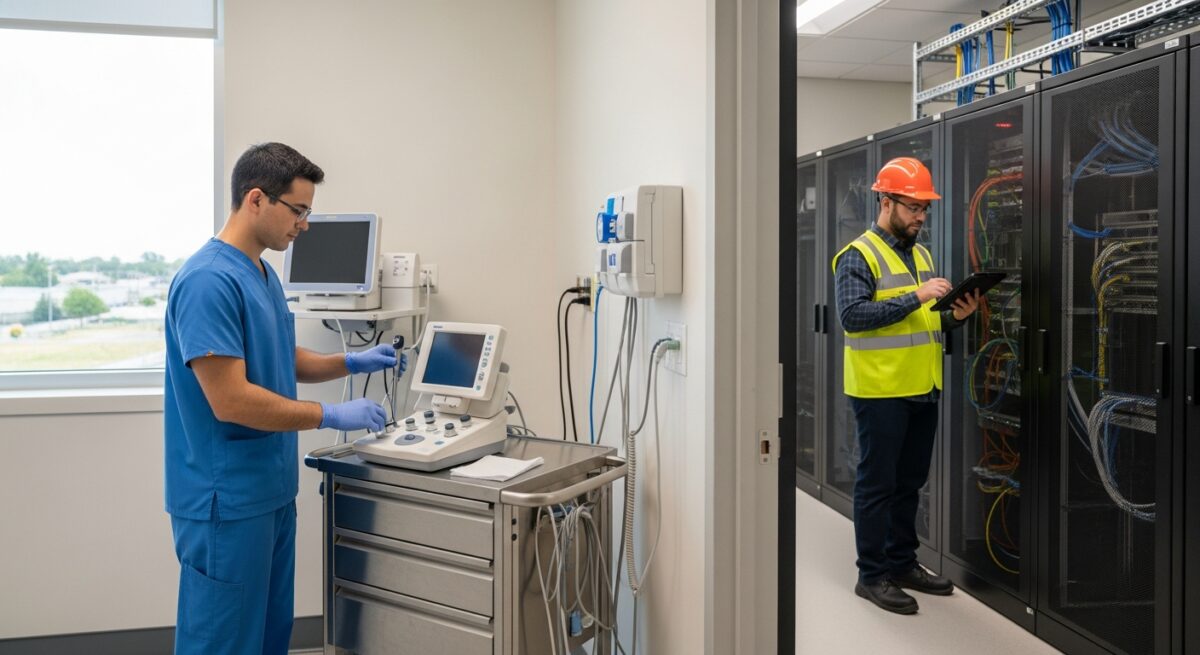
For many people, the idea of earning a strong salary without spending four or more years in a traditional degree program sounds too good to be true. However, the modern job market is filled with opportunities that reward specialized skills, certifications, and hands-on training over lengthy academic commitments. These great paying careers with little schooling required offer a direct path to financial stability and professional growth. They are ideal for career changers, recent high school graduates, or anyone looking to quickly gain marketable skills without accumulating significant student debt. By focusing on high-demand industries such as healthcare, technology, and skilled trades, you can find a role that provides a comfortable living with training that often takes less than two years.
What Defines a High-Paying Career With Short Training?
A high-paying career with minimal schooling is typically defined by two key factors: a strong median salary that exceeds the national average, and a training pathway that takes two years or less to complete. This training can come in the form of an associate degree, a vocational certificate, a registered apprenticeship, or a professional license. These roles are often in sectors facing critical labor shortages, which drives employers to offer competitive wages and benefits to attract talent. The focus is on practical, job-specific skills rather than broad theoretical knowledge, allowing you to enter the workforce quickly and start earning.
When evaluating these opportunities, it is important to look beyond just the starting salary. Consider the long-term earning potential, job growth projections, and opportunities for advancement. Many of these careers allow you to gain experience and then pursue further certifications or education while working, effectively earning while you learn. This approach to career building is increasingly popular as it minimizes the risk of heavy student loans and provides a clear return on investment for your training time. In our guide on Best Degrees for High Paying Careers Without a Degree Requirement, we explain how to evaluate these options based on your personal goals.
Top Industries for Quick Training and High Pay
Several industries consistently offer the best combination of short training periods and high compensation. Healthcare leads the pack due to constant demand, followed by technology trades and skilled manual labor. These sectors value competency and certification over the length of your academic history.
Healthcare: The Fastest Path to a Strong Salary
Healthcare is perhaps the richest source of great paying careers with little schooling. Roles like dental hygienist, diagnostic medical sonographer, and registered nurse (via an accelerated associate degree) all require two years or less of focused study. A dental hygienist, for example, typically needs an associate degree and a state license, yet the median annual wage is well over $75,000. Similarly, diagnostic medical sonographers, who operate imaging equipment, earn a median salary exceeding $80,000 with just a two-year degree. These professions are not only lucrative but also offer stable employment with excellent benefits and flexible scheduling options.
Another standout role is that of a respiratory therapist. This position requires an associate degree and a license, yet it offers a median salary of around $70,000 per year. The work is critical, involving the care of patients with breathing or cardiopulmonary disorders, and the demand is projected to grow significantly. For those interested in technology within healthcare, becoming a magnetic resonance imaging (MRI) technologist is a great option. With a one to two-year certificate or associate program, you can earn a median salary of approximately $80,000. Each of these roles demonstrates that a short educational commitment does not mean a compromise on income.
Technology and Skilled Trades: Non-Degree Paths to Success
Not all high-paying jobs require a white coat. The technology sector has numerous roles that prioritize skills and certifications over degrees. Web developers, for instance, can often break into the field with a coding bootcamp or an associate degree, earning a median salary of nearly $80,000. Similarly, computer network support specialists and cybersecurity analysts can achieve strong salaries with industry certifications and focused training programs that last less than a year. These little schooling high paying jobs are perfect for self-starters who enjoy problem-solving and continuous learning.
Skilled trades also offer exceptional earning potential. Electricians, plumbers, and elevator installers complete apprenticeships that combine paid on-the-job training with classroom instruction. After a 4 to 5 year apprenticeship, an elevator installer can earn over $85,000 per year, often with overtime pushing incomes much higher. Commercial pilots, who can obtain their licenses through concentrated training programs, also earn substantial salaries. These careers provide tangible, in-demand skills that cannot be outsourced, offering job security and the potential for self-employment. Many of these quick training high paying jobs are supported by union wages and strong benefits packages, making them a smart long-term choice.
How to Choose the Right Fast-Track Career for You
Selecting from these great paying careers with little schooling requires careful self-assessment and research. Not every high-paying job is the right fit for every personality or lifestyle. You must consider your natural strengths, your preferred work environment, and your long-term goals. For example, a career as a radiation therapist involves direct patient care and a clinical setting, while a web developer might work remotely in a more isolated, analytical environment. Both can be lucrative, but they demand very different skill sets.
To narrow down your options, follow these steps:

- Assess your interests and aptitude. Are you comfortable with blood and bodily fluids? Do you prefer working with your hands or with software? Do you enjoy direct human interaction or independent problem-solving?
- Research local demand. Use resources like the Bureau of Labor Statistics or state labor departments to see which professions are growing in your area. A career that is in high demand locally will offer more job security and better starting pay.
- Calculate the total cost of training. Compare tuition, fees, and materials for certificate programs versus associate degrees. Look for programs at community colleges or technical schools that offer financial aid and flexible class schedules.
- Investigate the licensing requirements. Some careers require passing a state exam or obtaining a specific license. Ensure you understand all the steps needed to practice in your state.
After completing this evaluation, you can confidently pursue the training path that aligns best with your life. Many community colleges offer evening and weekend classes to accommodate working adults, and online programs are increasingly available for the didactic portions of healthcare and technology courses. Remember, the goal is to enter a stable, rewarding field quickly, but you should also plan for future growth through continuing education or employer-sponsored training programs. For a broader perspective, resources like CollegeDegree.Education can provide additional insights into various educational pathways and career planning strategies.
The Financial Advantage of Short-Duration Programs
One of the most compelling reasons to pursue a career with minimal schooling is the financial advantage. By spending less time in school, you save on tuition, fees, and the opportunity cost of lost wages. Many associate degree programs at community colleges cost a fraction of a four-year university degree, and certificate programs can be even more affordable. This means you can start your career with little to no student debt, giving you a significant head start on building wealth. The ability to begin earning a full-time salary at age 20 or 21, rather than 24 or 25, can have a profound impact on your lifetime earnings and financial freedom.
Furthermore, many employers in these fields offer tuition reimbursement programs, allowing you to pursue further education for free while you work. A licensed practical nurse (LPN), for example, can earn a solid salary with a one-year certificate and then have their employer pay for their bridge program to become a registered nurse. This creates a powerful upward mobility ladder that is often absent in fields that require a bachelor’s degree just to get started. The combination of low upfront costs and high starting salaries makes these great paying careers with little schooling required some of the most financially intelligent choices available.
Frequently Asked Questions
What is the highest paying job with only a certificate?
Several certificate programs lead to high salaries. Air traffic controllers, who require an associate degree or a specific training program through the FAA, earn median salaries over $130,000. Other top earners include radiation therapists, MRI technologists, and commercial pilots, all of whom can earn over $80,000 with a certificate or associate degree.
Can I get a high-paying job with just a high school diploma?
Yes, but it often requires additional on-the-job training or apprenticeships. Elevator installers, power plant operators, and police officers can earn strong salaries with a high school diploma combined with intensive paid training. However, most of the top-paying jobs without a degree still require some form of post-secondary credential or apprenticeship completion.
Are these careers stable during economic downturns?
Many of these careers, particularly in healthcare and skilled trades, are considered recession-resistant. People will always need medical care, electricity, and plumbing. While no job is completely immune to economic cycles, the demand for these essential services tends to remain stable, offering a higher degree of job security than many other sectors.
How long does it take to complete an associate degree?
A standard associate degree typically takes two years of full-time study to complete. However, many programs offer accelerated options that can be finished in 18 months or less, especially if you have transfer credits or take summer courses. Part-time options are also widely available for those who need to work while studying.
Your Next Step Toward a Rewarding Career
The journey to a stable and well-paying career does not have to be a long one. By focusing on the opportunities that align with your skills and interests, you can achieve financial independence and professional satisfaction in a relatively short time. The key is to take action: research the programs available at your local community college or technical school, speak with professionals in the field, and enroll in a training path that offers a clear return on your investment. Whether you choose healthcare, technology, or a skilled trade, the landscape of great paying careers with little schooling required is rich with possibility. Do not let the myth of the four-year degree hold you back from building the future you deserve starting today.