For many people, the idea of a high salary is tied to years of expensive college education. The reality is different. There are many well paying jobs with little schooling that lead to strong incomes and career stability. These roles often require a certificate, an associate degree, or a short training program. They offer a fast track to financial independence without the burden of four years of tuition debt. This guide explores some of the best short education careers available today. It covers the specific training needed, typical salaries, and how to get started. Whether you are a recent high school graduate or a career changer, these minimal schooling jobs can provide a rewarding future.
What Defines a Short Education Career?
A short education career typically requires less than two years of formal training. This can include a vocational certificate, a diploma, or an associate degree. The focus is on practical skills rather than broad academic theory. Many of these well paying jobs with little schooling are in high demand. Industries like healthcare, technology, skilled trades, and transportation offer many of these opportunities. The training is often hands on and directly tied to the job tasks. This means graduates can enter the workforce quickly and start earning a solid income.
Top Well Paying Jobs With Little Schooling
The following roles are excellent examples of well paying jobs with little schooling. They are ranked by typical median salary and job growth potential. Each entry includes the required education, typical duties, and why it is a strong choice.
1. Registered Nurse (ADN Path)
While a Bachelor of Science in Nursing (BSN) is common, an Associate Degree in Nursing (ADN) is a faster route. ADN programs usually take two years. Registered nurses with an ADN earn a median salary of over $77,000 per year. They work in hospitals, clinics, and other healthcare settings. The job involves patient care, administering medications, and coordinating treatment plans. This role is in high demand and offers strong job security. For those seeking minimal schooling jobs with high pay, this is a top contender.
2. Dental Hygienist
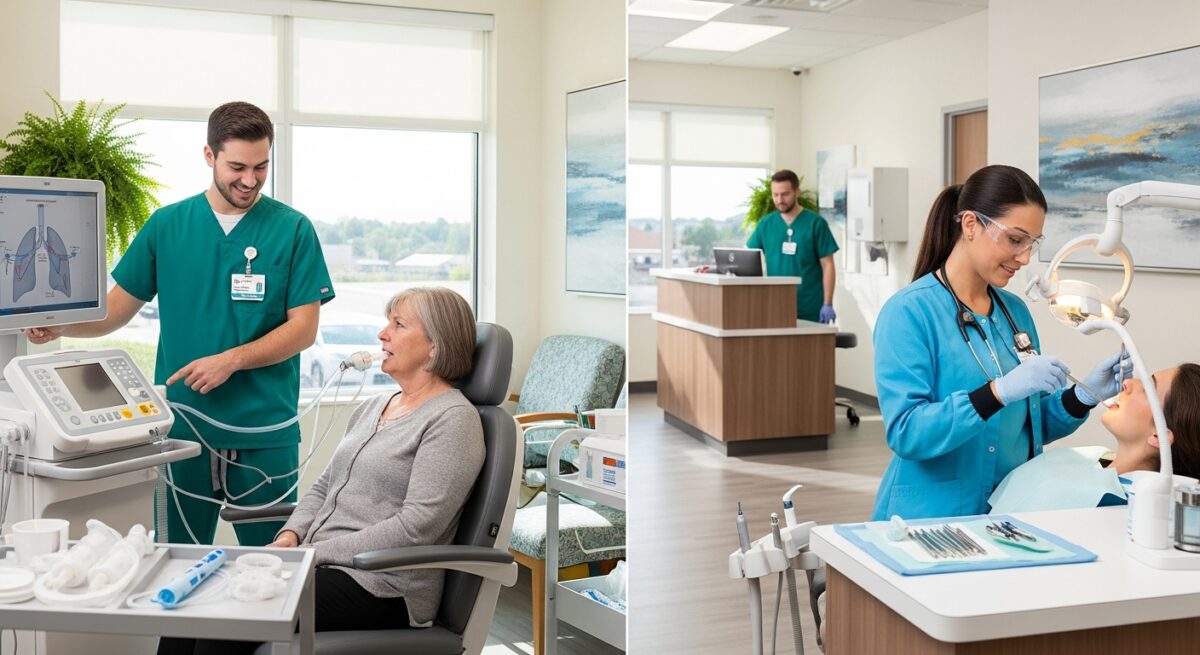
Dental hygienists typically need an associate degree in dental hygiene. This program takes about two to three years. They earn a median salary of over $77,000 per year. Their work includes cleaning teeth, examining patients for oral diseases, and educating patients on oral hygiene. The job offers a clean work environment and regular hours. It is a great example of how short education careers can lead to a comfortable lifestyle.
3. Web Developer
Many web developers do not have a four year degree. They often complete a coding bootcamp or an associate degree in web development. Bootcamps can take three to six months. The median salary for web developers is around $78,000 per year. They design and create websites, ensuring they are functional and visually appealing. This field values skills over degrees. It is one of the most accessible well paying jobs with little schooling for those interested in technology.
4. Electrician
Electricians learn through a paid apprenticeship program. This combines on the job training with classroom instruction. The program typically lasts four to five years, but you earn a wage from day one. After becoming a journeyman, electricians earn a median salary of over $60,000 per year. Experienced electricians can earn much more. The work involves installing and repairing electrical systems in homes and businesses. Skilled trades are a classic example of minimal schooling jobs that pay very well.
5. Diagnostic Medical Sonographer
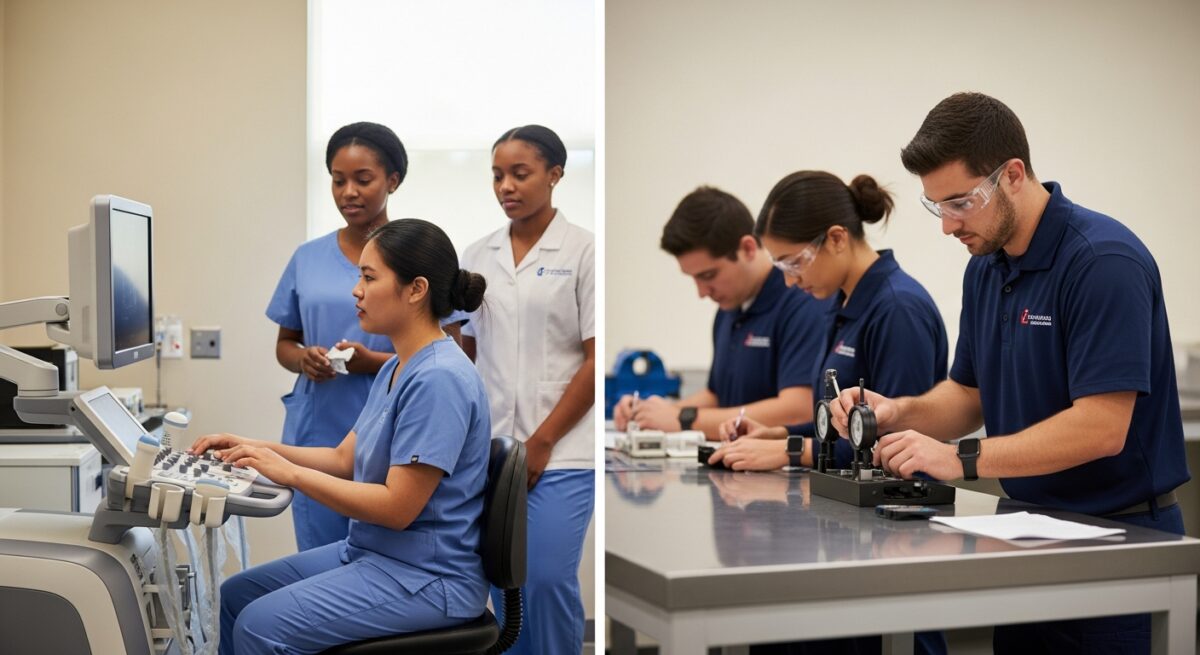
Also known as an ultrasound technician, this role requires an associate degree. The program takes about two years. The median salary is over $75,000 per year. Sonographers use special equipment to create images of the body’s organs and tissues. They work in hospitals and diagnostic labs. This is a growing field with a strong demand for trained professionals. It is a perfect illustration of a high paying career with short term degrees.
How to Choose the Right Short Education Career
Selecting the right path requires careful thought. Not all well paying jobs with little schooling are a good fit for everyone. Consider your interests, skills, and lifestyle preferences. Here are some steps to guide your decision:
- Assess your interests: Do you prefer working with people, technology, or your hands? Healthcare roles involve patient interaction. Tech roles involve problem solving on a computer. Trades involve physical work and building things.
- Research job growth: Look for fields with strong projected growth. This ensures you will have job opportunities after training. The Bureau of Labor Statistics is a good resource.
- Consider the training time: Some programs take a few months. Others take two years. Decide how quickly you want to start earning.
- Evaluate the cost: Compare tuition costs for different programs. Look into financial aid and scholarships. Some apprenticeships pay you while you learn.
By taking these steps, you can find a career that matches your goals. Many people find that short education careers offer the best balance of time investment and financial reward.

Benefits of Minimal Schooling Jobs
Choosing a career path with less formal education has several advantages. The most obvious is saving time and money. You can avoid years of student loan debt. You enter the workforce sooner. This allows you to start building experience and savings earlier. Many of these roles are in high demand, which means job security is strong. Additionally, these fields often have clear paths for advancement. You can gain certifications or additional training while working. This allows you to increase your salary over time without going back to school full time.
Challenges to Consider
While there are many benefits, there are also challenges. Some of these well paying jobs with little schooling involve physical demands. For example, electricians and sonographers may be on their feet for long hours. Others may require shift work, including nights and weekends. It is also important to note that advancement opportunities can be more limited without a bachelor’s degree. However, many employers offer tuition reimbursement programs. This allows you to earn a higher degree while working, if you choose to do so later.
How to Get Started in a Short Education Career
Getting started is simpler than you might think. First, identify a field that interests you. Then, find an accredited program. Many community colleges and trade schools offer certificates and associate degrees. You can also look into apprenticeships for skilled trades. These programs are often listed on state labor department websites. Once you enroll, focus on gaining hands on experience. Internships and externships are valuable. They help you build a resume and make professional connections. After completing your training, you will need to obtain any required licenses or certifications. This varies by state and profession. For example, electricians must pass a licensing exam. Nurses must pass the NCLEX-RN. Once you are certified, you can start applying for jobs. For more detailed guidance on fast track options, you can explore resources like CollegeDegree.Education for program comparisons and career advice.
Frequently Asked Questions
What is the highest paying job with little schooling?
Some of the highest paying options include registered nurse (ADN), dental hygienist, web developer, and diagnostic medical sonographer. These roles often exceed $75,000 per year in median salary.
Can I get a well paying job with a certificate only?
Yes. Many certificate programs lead to well paying jobs. Examples include web development bootcamps, HVAC technician certificates, and medical coding certifications. These programs can take less than a year.
Are trade jobs considered well paying jobs with little schooling?
Absolutely. Trade jobs like electrician, plumber, and HVAC technician are excellent examples. They require apprenticeships or certificates rather than degrees. Experienced workers can earn six figure incomes.
Do these jobs have good job security?
Yes. Many of these fields are in high demand. Healthcare and skilled trades face worker shortages. Technology roles continue to grow. This provides strong job security for those with the right training.
How do I find accredited programs for short education careers?
Start by searching for community colleges and trade schools in your area. Look for programs accredited by recognized agencies. You can also use online directories provided by professional organizations. The U.S. Department of Education has a database of accredited institutions.
The idea that you need a four year degree to earn a good living is outdated. There are many well paying jobs with little schooling that offer excellent salaries and growth potential. These roles value practical skills and hands on experience. They provide a fast, affordable path to a stable career. Whether you choose healthcare, technology, or the skilled trades, you can find a fulfilling job that pays well. Take the time to research your options. Talk to professionals in the field. Invest in a training program that fits your goals. Your future self will thank you.