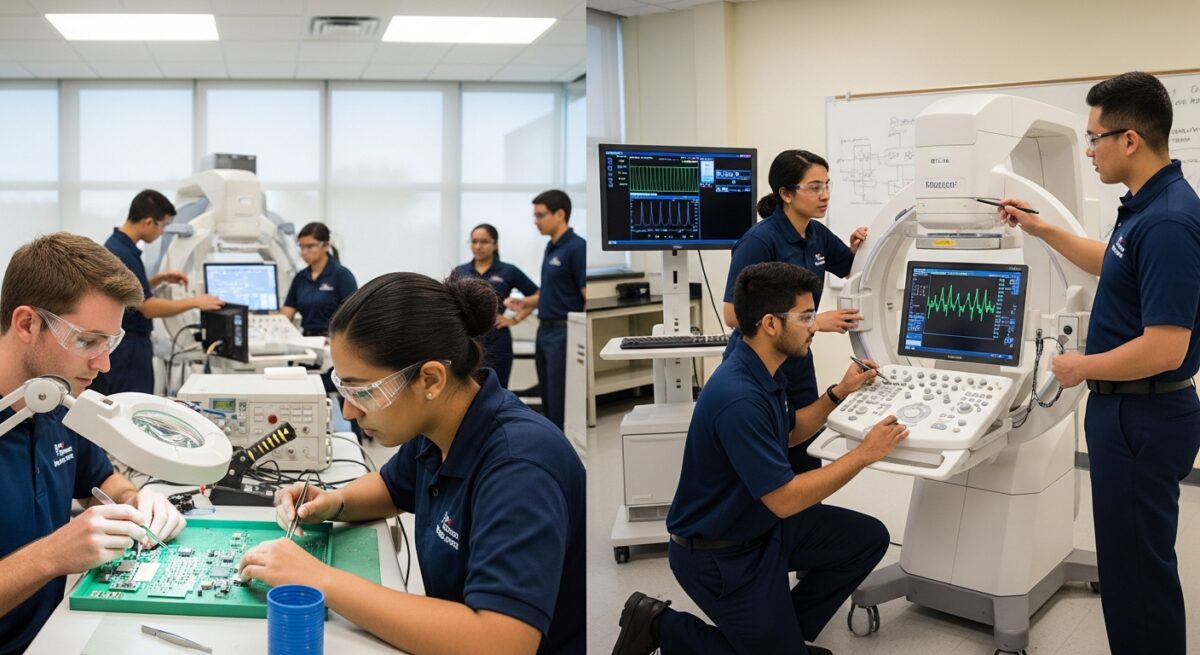
The landscape of high paying technical jobs continues to expand as industries from healthcare to information technology compete for skilled professionals. For students and career changers alike, understanding which degrees unlock these lucrative opportunities is the first step toward financial stability and professional growth. Technical careers salary data consistently shows that specialized training and targeted education lead to above-average earnings, often with lower barriers to entry than traditional four-year degrees. This article explores the most rewarding technical careers and the degree pathways that prepare you for them.
Understanding the Technical Job Market in 2026
The demand for technical expertise has never been higher. Employers across sectors are prioritizing candidates with hands-on skills and industry-recognized credentials. This shift means that a strategic approach to education, one that balances cost, time, and earning potential, can yield exceptional returns. High paying technical jobs are no longer limited to software engineering; fields like renewable energy technology, medical imaging, and advanced manufacturing now offer competitive salaries and strong job security.
Vocational degree jobs, once viewed as less prestigious than bachelor’s programs, now command respect and high wages. For example, radiation therapists and dental hygienists earn median salaries exceeding $80,000 per year with associate degrees. Similarly, web developers and network support specialists can achieve six-figure incomes through certificate programs and two-year degrees. The key is aligning your education with market demand and choosing a field that matches your aptitudes and interests.
Top High Paying Technical Careers by Degree Level
Associate Degree Pathways
Associate degrees offer the fastest route to high paying technical jobs, typically requiring two years of study. Programs focus on practical skills and often include clinical rotations or lab work. Graduates enter the workforce quickly with minimal debt. Promising fields include:
- Diagnostic Medical Sonography: Median salary $81,000. Sonographers operate imaging equipment to create diagnostic images. The field grows at 15% annually due to an aging population.
- Dental Hygiene: Median salary $81,400. Dental hygienists clean teeth and educate patients. Flexible schedules and strong demand make this a popular choice.
- Aerospace Engineering Technology: Median salary $73,000. Technicians assist engineers in designing and testing aircraft and spacecraft components.
- Nuclear Technology: Median salary $100,000. Nuclear technicians monitor radiation levels and operate equipment in power plants or medical facilities.
These careers demonstrate that technical careers salary potential does not require a four-year degree. Many associate degree programs also offer stackable credentials, allowing graduates to earn bachelor’s degrees later while working.
Bachelor’s Degree Pathways
A bachelor’s degree remains the most common entry point for many high paying technical jobs. Fields like computer science, electrical engineering, and mechanical engineering consistently rank among the highest-paying majors. However, newer disciplines such as data science, cybersecurity, and biomedical engineering are rapidly gaining ground. The U.S. Bureau of Labor Statistics projects that employment in computer and information technology occupations will grow 13% through 2030, faster than the average for all occupations.
Software developers, for instance, enjoy a median salary of $127,260 with a bachelor’s degree. Cybersecurity analysts earn $112,000, and mechanical engineers earn $95,300. These roles require strong analytical skills and continuous learning to keep pace with technological change. Many employers also value certifications in specific technologies, such as AWS or Cisco systems.
Vocational and Certificate Programs
Not all high paying technical jobs require a degree. Certificate programs and vocational training can lead to excellent salaries in specialized trades. Electricians, plumbers, and HVAC technicians earn median salaries between $50,000 and $80,000, with top earners exceeding $100,000. Wind turbine technicians and solar photovoltaic installers, both growing rapidly, offer median salaries around $56,000 and $47,000 respectively, with strong growth potential.
These roles typically involve apprenticeships or on-the-job training in addition to classroom instruction. For individuals who prefer hands-on work and physical activity, these paths offer stable careers without the time commitment of a degree program.
Best Degrees for Maximum Earning Potential
Choosing the right degree is critical for maximizing your return on education investment. The best degrees for high paying technical jobs combine strong demand, high salary, and career advancement opportunities. Based on current data and projections, these five degrees stand out:
- Computer Science: Versatile and in demand across all industries. Graduates work as software developers, data scientists, or AI engineers. Median starting salary: $85,000.
- Electrical Engineering: Core to power systems, electronics, and telecommunications. Median salary: $107,000. Growth driven by renewable energy and smart grid technologies.
- Data Science: Explosive demand for analysts who can interpret big data. Median salary: $103,000. Skills in SQL, Python, and machine learning are essential.
- Nursing (BSN): Registered nurses with bachelor’s degrees earn a median of $77,600, but advanced practice nurses (nurse practitioners) earn $123,000. Healthcare remains recession-resistant.
- Cybersecurity: With cyber threats rising, organizations need experts to protect networks. Median salary: $112,000. Certifications like CISSP and CEH add value.
These degrees open doors to multiple career paths and often include co-op or internship opportunities that provide practical experience. Graduates from these programs typically find jobs within six months of graduation.
How to Choose Between Degree Programs
Selecting the right program involves evaluating several factors beyond salary. Consider your learning style, career goals, and financial situation. For those who prefer immediate employment, vocational degree jobs offer quick entry and low cost. If you aim for leadership roles or advanced specialization, a bachelor’s or master’s degree may be necessary.
Accreditation is another critical factor. Ensure your chosen program holds regional or national accreditation, as this affects transfer credits and employer recognition. Online programs, especially those offered by regionally accredited institutions, provide flexibility for working adults. The site Scholarship Education offers resources for finding and applying for financial aid, helping reduce the cost of your education.
Finally, research local job markets. Some technical careers, such as petroleum engineering, are concentrated in specific regions. Others, like nursing and IT, have national demand. Use labor market data from state workforce agencies to identify which degrees lead to jobs in your area.
Frequently Asked Questions
What is the highest paying technical job without a degree?
Several technical careers offer high salaries without a bachelor’s degree. Elevator installers and repairers earn a median of $88,000, and power plant operators earn $93,000. Wind turbine technicians, requiring only a certificate, earn $56,000 with strong growth. Apprenticeships in these fields often pay while you learn.
Can I get a high paying technical job with an associate degree?
Yes. Many associate degree programs lead to salaries above $70,000. Examples include radiation therapy ($86,000), dental hygiene ($81,000), and aerospace engineering technology ($73,000). These programs typically require two years and include hands-on training.
How important is certification for technical careers?
Certifications are vital in fields like IT, cybersecurity, and project management. They validate specific skills and often lead to higher pay. For example, a Cisco Certified Network Associate (CCNA) can boost a network technician’s salary by 20%. Many employers require certifications for advancement.
What degree is best for a career in renewable energy?
A degree in electrical engineering or mechanical engineering provides a strong foundation. Specialized programs in renewable energy technology or sustainability are also available. Solar and wind energy technicians can enter with certificates, but engineers typically need bachelor’s degrees.
How do I find affordable degree programs for technical jobs?
Start by exploring community colleges and public universities, which offer lower tuition. Online programs from regionally accredited institutions also provide flexible, cost-effective options. Research scholarships and grants through federal student aid and private organizations. The site CollegeDegrees.School offers tools to find schools and programs by zip code, connecting you to featured colleges that may offer financial assistance.
The value of a technical education extends beyond salary. Many high paying technical jobs offer job stability, opportunities for advancement, and the chance to work on meaningful projects. Whether you choose a two-year degree, a four-year program, or a vocational certificate, the key is to align your education with market demand and your personal strengths. As the economy continues to evolve, those with technical skills will remain in high demand. Start exploring programs today and take the first step toward a rewarding career. In our guide on 6-Figure High Paying Tech jobs No Coding, we explain how to enter technical fields without programming experience.
By combining the right education with practical experience, you can secure a high paying technical job that provides financial freedom and professional satisfaction. The journey begins with a single decision: choosing the best degree for your future.