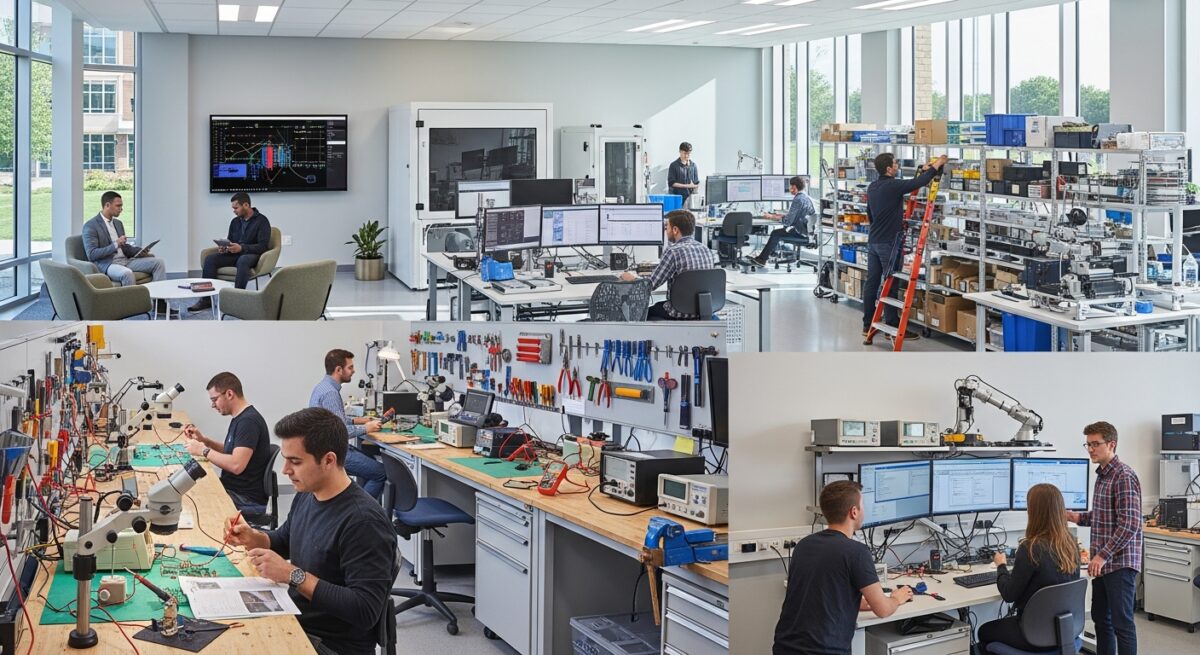
Engineering remains one of the most sought-after fields of study for students who want a blend of problem-solving, innovation, and strong earning potential. Choosing the right engineering major can feel overwhelming with so many specializations available. Understanding the most popular engineering majors and career outcomes helps you align your interests with real-world opportunities. This article breaks down the top engineering degrees, what each entails, and the career paths they open up. Whether you are a high school student exploring options or a professional considering a change, this guide provides the clarity you need to make an informed decision.
Why Engineering Majors Remain in High Demand
Engineering disciplines consistently rank among the most valuable college degrees because they directly address critical needs in society. From infrastructure and technology to healthcare and energy, engineers design the systems that power modern life. The Bureau of Labor Statistics projects steady growth across most engineering fields, with many offering median salaries well above the national average. Employers actively recruit graduates with these skills, often providing competitive starting salaries and clear advancement paths.
Another reason for the enduring popularity of engineering majors is their versatility. An engineering degree teaches analytical thinking, technical proficiency, and project management. These skills transfer across industries, allowing graduates to pivot between roles in manufacturing, software, consulting, or research. Many students also appreciate that engineering programs typically lead to licensure as a Professional Engineer, which can open doors to leadership positions and independent practice. For those weighing options, exploring future proof degrees: top majors for high demand careers can provide additional context on how engineering compares to other fields.
Top Engineering Majors and Their Career Trajectories
Mechanical Engineering
Mechanical engineering is one of the broadest and most established engineering disciplines. It focuses on the design, analysis, and manufacturing of mechanical systems. This major covers topics like thermodynamics, fluid mechanics, materials science, and structural analysis. Graduates find work in automotive, aerospace, robotics, energy, and consumer goods industries. Typical job titles include mechanical engineer, design engineer, and project engineer. The median annual salary for mechanical engineers is around $96,000, with top earners exceeding $140,000 in specialized roles. Career growth often involves moving into management or obtaining a Professional Engineer license for consulting work.
Electrical Engineering
Electrical engineering deals with electricity, electronics, and electromagnetism. Students learn circuit design, signal processing, control systems, and power generation. This major is critical for industries like telecommunications, power utilities, semiconductor manufacturing, and consumer electronics. Electrical engineers work on everything from microchips to power grids. Common roles include electrical engineer, systems engineer, and hardware design engineer. Median salaries hover near $105,000 annually, with experienced professionals in renewable energy or aerospace earning substantially more. The field is also a gateway to emerging areas like electric vehicles and smart grid technology.
Computer Engineering
Computer engineering blends electrical engineering and computer science. It focuses on designing computer hardware and software systems. Coursework includes digital logic, microprocessors, operating systems, and networking. This major prepares graduates for roles in software development, embedded systems, cybersecurity, and artificial intelligence. Computer hardware engineers earn a median salary of approximately $132,000, while software engineers often exceed that figure. The demand for computer engineers continues to surge as technology becomes more integrated into every aspect of life. Many graduates also pursue advanced degrees to specialize in machine learning or data science.
Civil Engineering
Civil engineering is the profession responsible for designing and building public infrastructure. This includes roads, bridges, dams, water treatment plants, and buildings. Students study structural analysis, geotechnical engineering, transportation systems, and environmental engineering. Civil engineers often work for government agencies, construction firms, or private consulting companies. The median annual salary is around $89,000, with experienced project managers earning well over $120,000. Career progression typically involves obtaining a Professional Engineer license, which is required for signing off on public projects. The field offers stability and the satisfaction of creating tangible improvements to communities.
Chemical Engineering
Chemical engineering applies principles of chemistry, physics, and biology to develop processes for manufacturing chemicals, fuels, pharmaceuticals, and food products. Students study reaction engineering, thermodynamics, process design, and separation techniques. Graduates work in industries such as oil and gas, pharmaceuticals, biotechnology, and environmental management. Chemical engineers earn a median salary of about $108,000, with top salaries in the petroleum sector exceeding $150,000. Career paths include process engineer, research scientist, and plant manager. The field is evolving toward sustainable energy and bioprocessing, creating new opportunities.
Industrial Engineering
Industrial engineering focuses on optimizing complex systems and processes. It combines engineering with business principles to improve efficiency, quality, and productivity. Students learn operations research, supply chain management, ergonomics, and statistical analysis. Industrial engineers work in manufacturing, logistics, healthcare, and consulting. They often hold titles like operations manager, supply chain analyst, or quality engineer. The median salary is approximately $95,000, with experienced professionals in management roles earning significantly more. This major is ideal for those who enjoy problem-solving and process improvement without the heavy focus on a single technical domain.
Biomedical Engineering
Biomedical engineering merges engineering with medicine to develop medical devices, diagnostic equipment, and therapeutic technologies. Coursework includes biomechanics, biomaterials, medical imaging, and physiology. Graduates work for medical device companies, hospitals, research institutions, and regulatory agencies. Common roles include biomedical engineer, clinical engineer, and R&D engineer. The median salary is around $97,000, with growth driven by an aging population and advances in healthcare technology. This field requires strong interdisciplinary knowledge and often leads to graduate study for leadership positions.
Factors to Consider When Choosing an Engineering Major
Selecting among the most popular engineering majors involves more than just looking at salary data. Your personal interests and strengths should guide your decision. For example, if you enjoy building things and understanding how machines work, mechanical or civil engineering might suit you. If you are fascinated by electronics and coding, electrical or computer engineering could be a better fit. Chemical and biomedical engineering require a strong foundation in chemistry and biology, while industrial engineering appeals to those with organizational and analytical minds.
Another critical factor is job market outlook. While all engineering fields offer solid prospects, some grow faster than others. Computer engineering and biomedical engineering are projected to grow at above-average rates due to technological innovation and healthcare demands. Civil engineering sees steady demand tied to infrastructure spending. It is also wise to consider geographic location. Certain regions have higher concentrations of specific industries. For instance, the Pacific Northwest has many tech companies, while the Gulf Coast has numerous oil and gas firms. Researching local job markets can help you choose a major with strong regional opportunities.
Career Outcomes Beyond Entry-Level Roles
Engineering career paths often lead to advanced positions with greater responsibility and compensation. Many engineers move into project management, where they oversee teams and budgets. Others pursue technical specialization, becoming experts in areas like structural analysis or semiconductor design. Some engineers transition to sales or consulting, using their technical knowledge to advise clients. A significant number also pursue graduate degrees, such as a Master of Engineering or MBA, to accelerate their careers. Leadership roles like engineering director or chief technology officer are common for those with experience and business acumen.
Licensure as a Professional Engineer (PE) is important for civil and structural engineers, as it allows them to sign off on public projects. In other fields, a PE license can enhance credibility and open consulting opportunities. Certification in specialized areas, such as project management or quality engineering, also boosts career prospects. Many employers offer tuition reimbursement for advanced degrees, making it easier to continue education while working. For a broader perspective on high-demand fields, consider reading about future proof degrees: top majors for high demand careers to see how engineering stacks up against other disciplines.
How to Succeed in an Engineering Program
Engineering curricula are rigorous, but success is achievable with the right strategies. Time management is crucial because coursework involves lectures, labs, and group projects. Forming study groups can help you grasp difficult concepts and stay motivated. Taking advantage of office hours and tutoring services is also beneficial. Many schools offer co-op or internship programs that provide practical experience and often lead to job offers after graduation. Building a portfolio of projects, whether through coursework or personal initiatives, demonstrates your skills to employers.
Networking is another key element. Joining professional organizations like the American Society of Mechanical Engineers or IEEE gives you access to industry events, mentors, and job boards. Attending career fairs and connecting with alumni can uncover opportunities. Developing soft skills, such as communication and teamwork, is equally important. Engineering projects rarely happen in isolation, and employers value graduates who can explain technical concepts to non-engineers. Balancing technical excellence with interpersonal skills sets you apart in the job market.
Frequently Asked Questions
What is the easiest engineering major? There is no universally easy engineering major, as difficulty depends on individual strengths. Some students find industrial engineering less math-intensive than mechanical or electrical engineering. However, all engineering programs require dedication and strong analytical skills.
Which engineering major pays the most? According to recent data, computer engineering and chemical engineering tend to have the highest median salaries. Petroleum engineering also offers high pay, though it is more niche and subject to industry fluctuations.
Can I switch engineering majors after starting? Yes, many students change majors within engineering, especially during the first two years when foundational courses overlap. Switching may require additional coursework but is generally manageable with academic advising.
Do I need a master’s degree for engineering? Not always. A bachelor’s degree qualifies you for most entry-level engineering jobs. However, a master’s can lead to higher pay, specialized roles, and faster advancement. Some fields, like biomedical engineering, often prefer advanced degrees for research positions.
What engineering major is best for remote work? Computer engineering and software-related roles offer the most remote opportunities. Electrical and industrial engineering also have some remote positions, especially in design and consulting. Hands-on fields like civil and mechanical engineering typically require on-site work.
Making Your Final Decision
Choosing an engineering major is a significant decision that shapes your career trajectory. The most popular engineering majors and career outcomes outlined here provide a framework for evaluating your options. Reflect on your interests, research potential employers, and consider the lifestyle you want. Engineering offers stability, intellectual challenge, and the chance to make a real impact. Whether you design bridges, develop medical devices, or optimize supply chains, your skills will be in demand. Use this information as a starting point, and take advantage of resources like college counseling and career services to refine your path. The right engineering major can set you up for a rewarding and prosperous career. Learn more