
Navigating Campus Transportation Options for Students
Learn how to strategically combine shuttles, bikes, and public transit to save money and reduce daily stress. Mastering campus transportation options is key to a smoother academic experience.

By Jeffrey Hartford
Getting around a sprawling university campus or navigating between classes, housing, and off-campus jobs is a fundamental part of the student experience. The right campus transportation options can save you time, money, and stress, directly impacting your academic focus and daily life. Whether you’re a first-year student learning the lay of the land or a senior with a packed schedule, understanding the full spectrum of available transit solutions is key to a smoother, more efficient college journey. This guide explores the diverse modes of transport available at most institutions, from traditional shuttles to modern micro-mobility, helping you make informed choices that fit your lifestyle and budget.
Core University-Provided Transit Systems
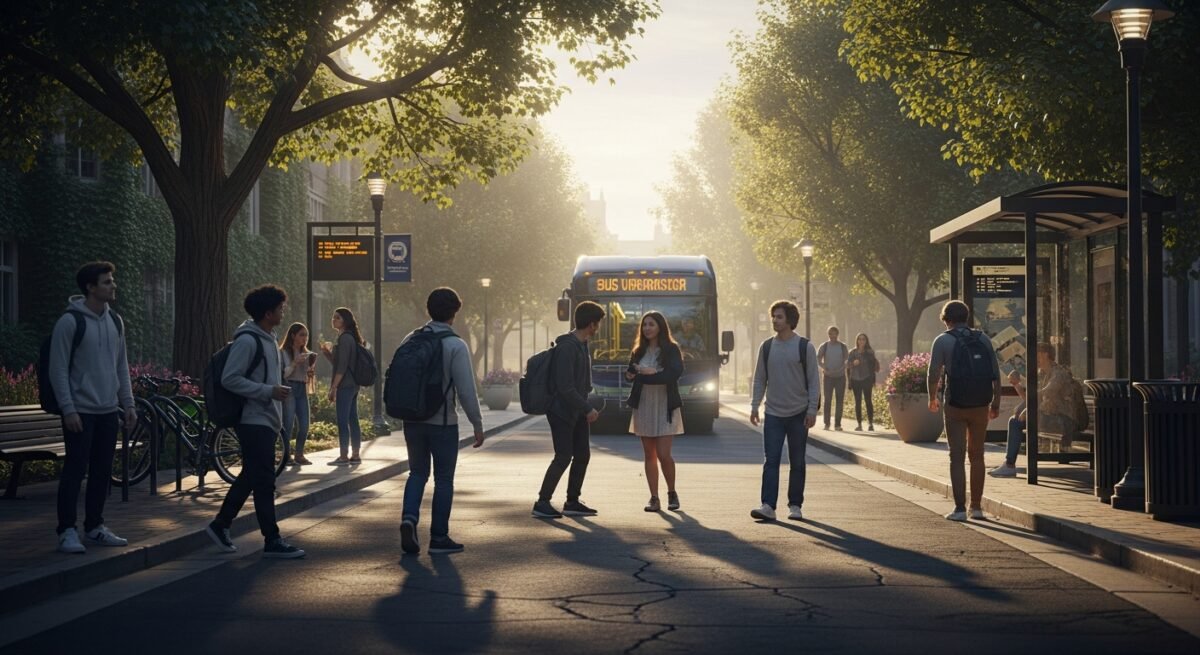
Most colleges and universities invest heavily in their own transit infrastructure to serve the student body. These systems are often subsidized by student fees, making them a cost-effective or even free option for enrolled students. The primary workhorse of campus transportation options is typically the university shuttle bus system. These buses run on fixed routes that connect key points like residence halls, academic buildings, student unions, libraries, and sometimes peripheral parking lots or nearby shopping districts. Routes are designed with class schedules in mind, often increasing frequency during peak hours between 8 AM and 5 PM.
Understanding the shuttle schedule and route map is one of the first logistical tasks a student should tackle. Many universities now offer real-time tracking through dedicated mobile apps or websites, allowing you to see exactly where your bus is and its estimated arrival time. This technology has revolutionized wait times and planning. Beyond the standard shuttle, some campuses offer on-demand evening safety services, such as safe-ride vans or escort services, which operate after standard shuttle hours to ensure students can travel securely across campus at night. These services underscore the institution’s commitment to student safety as a core component of its transportation offerings.
The Rise of Micro-Mobility and Personal Transport
For point-to-point travel that doesn’t align with a shuttle schedule, micro-mobility solutions have exploded in popularity. This category includes bicycles, electric scooters, skateboards, and even electric unicycles. Many campuses are now designed as bike-friendly environments, featuring extensive dedicated bike lanes, secure bike racks, and even indoor bike storage or repair stations. Bringing your own bicycle can be one of the most flexible and healthy campus transportation options, offering door-to-door convenience without the hassle of parking a car.
For those who don’t own a bike, dockless electric scooter and bike share programs have become ubiquitous. Companies like Lime, Bird, and Spin often partner with universities to provide fleets of rentable vehicles. Students use a smartphone app to locate, unlock, and pay for these rides by the minute. While convenient for short trips, it’s crucial to understand campus rules regarding where these devices can be ridden and parked to avoid cluttering walkways or facing fines. Personal electric vehicles, such as electric skateboards, require a higher initial investment but offer similar portability and speed, often making them a favorite for tech-savvy students navigating large campuses.
Personal Vehicles: Weighing the Costs and Benefits
Bringing a car to college represents a significant decision with major financial and logistical implications. For students living far off-campus or in areas with limited public transit, a personal vehicle may feel like a necessity. However, on-campus parking is famously scarce and expensive. Most universities tier their parking permits, with the most convenient lots carrying premium prices that can add hundreds of dollars to a semester’s cost. Furthermore, some campuses, particularly in dense urban settings, actively discourage undergraduate car ownership due to space constraints and sustainability goals.
Before deciding to bring a car, conduct a thorough cost-benefit analysis. Factor in the permit cost, fuel, insurance, maintenance, and the potential for parking tickets. For many students, the combined cost of campus parking permits and city parking makes car ownership prohibitive. Often, using a combination of university shuttles, micro-mobility, and occasional ride-sharing or car rental for longer trips is more economical. If you do bring a vehicle, familiarize yourself with all parking regulations, including overnight rules, visitor parking, and restrictions during special events. Exploring degree pathways for students who plan to commute can also involve researching transportation logistics as part of the overall academic planning process.
Integrating with Local Public Transportation
A university does not exist in a vacuum, and its transportation ecosystem often integrates with the city or region’s public transit network. Many colleges negotiate deals that provide students with free or deeply discounted access to local buses, trams, or subways. This partnership dramatically expands a student’s mobility, enabling easy travel to internships, part-time jobs, cultural attractions, and the airport without needing a car. Your student ID card might double as a transit pass, a benefit you should confirm during orientation.
Learning the local transit routes and schedules is an essential life skill. It connects you to the broader community and can significantly enhance your college experience. Key routes to identify include those that go to major shopping centers, grocery stores, healthcare facilities, and downtown entertainment districts. Apps like Google Maps or Transit are invaluable for planning multi-modal trips that might involve walking to a campus shuttle, transferring to a city bus, and completing the final leg on a scooter. Mastering the local public transit system is one of the most empowering and sustainable campus transportation options available.
Strategic Planning for Your Daily Commute
Effective use of campus transit requires proactive planning. Your daily schedule will dictate your best options. Start by mapping your weekly class locations and timing. If you have back-to-back classes on opposite ends of a large campus, a bike or scooter might be essential. If you have large gaps between classes, you might prefer to walk or use the shuttle, using the time to study in a library along the route. Always build in a buffer for unexpected delays, especially during the first weeks of a semester when shuttle routes are busiest and new students are learning the system.
Consider the following strategic steps to optimize your commute:
- Audit Your Weekly Schedule: Plot all fixed locations (classes, work, club meetings) on a campus map.
- Research Primary Options: Identify the shuttle routes that serve your key corridors and note their peak and off-peak schedules.
- Identify Backup Solutions: Have a secondary plan, such as a bike share location or a walkable route, in case your primary option is unavailable.
- Factor in Weather and Time of Day: Your mode may change with rain, snow, or darkness. Night classes may necessitate use of a safe-ride service.
- Calculate the True Cost: Compare the total semester cost of a parking permit versus a bike maintenance fund or a budget for occasional ride-shares.
This planning not only saves time but also reduces daily anxiety, allowing you to focus your mental energy on academics. For students considering online or hybrid programs, transportation logistics are different but still relevant for campus visits or residencies. Our resource on earning your divinity degree online explores how digital learning can reshape these daily logistics.
Frequently Asked Questions
Are campus shuttles really free for students?
In most cases, yes. University shuttle systems are typically funded by mandatory student activity or transportation fees included in your tuition or semester bill. Therefore, while not technically “free,” there is no additional cost per ride. Always check your university’s specific policy.
What is the most cost-effective transportation option overall?
For most on-campus students, walking combined with the existing free shuttle service is the most cost-effective. For greater range, a personal bicycle involves a one-time investment with minimal ongoing costs. Electric scooters and ride-shares are convenient but can become expensive if used multiple times daily.
How do I find real-time tracking for my campus bus?
Most universities use a dedicated transit app like TransLoc, Passio GO, or have tracking integrated into their official campus mobile app. Check your university’s transportation services website for links and instructions.
Is it worth bringing a car as a freshman?
Generally, no. Many universities restrict freshman parking entirely. Even if allowed, the high cost of permits, limited parking availability, and the convenience of on-campus services often make a car an unnecessary expense for first-year students.
What should I do if the safe-ride service is not running?
Always have a backup plan. Save the number for a reliable local taxi or ride-share company in your phone. Many student governments also partner with services like Uber or Lyft to offer discounted late-night codes. Prioritize using the official safe-ride service when available, as drivers are often vetted by the university.
Ultimately, your ideal mix of campus transportation options will be as unique as your class schedule and lifestyle. The key is to explore, experiment, and combine modes strategically. By leveraging the free or low-cost resources provided by your institution and the surrounding community, you can ensure that getting from point A to point B is one less worry during your demanding academic career. Embrace the opportunity to use sustainable transit options, and you’ll not only save money but also gain a deeper connection to your campus and its rhythm of life.