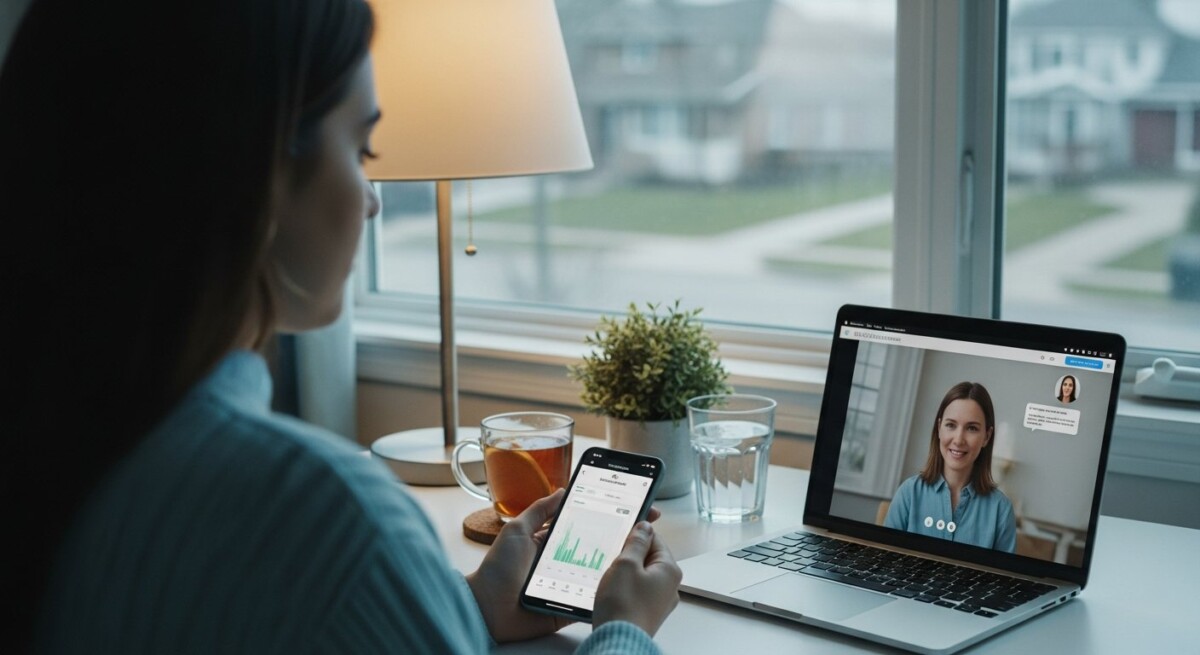
Online learning offers remarkable flexibility, but it also presents unique challenges that can take a toll on mental health. Without a physical campus, face-to-face interactions, or structured daily routines, many distance students feel isolated, overwhelmed, and unsure where to turn for support. This article explores practical student mental health resources for online learners and provides actionable strategies to maintain well-being while earning a degree remotely.
Why Mental Health Matters for Online Students
Mental health directly affects academic performance, motivation, and retention. For online learners, the absence of in-person connections can amplify stress, anxiety, and depression. A 2023 survey by the American College Health Association found that more than 60 percent of college students reported experiencing overwhelming anxiety in the past year. For online students, the numbers are often higher due to social isolation and the blurring of boundaries between study time and personal life.
When mental health declines, so does the ability to concentrate, complete assignments, and engage with course material. Students may procrastinate, miss deadlines, or consider dropping out altogether. Recognizing these risks early allows learners to seek appropriate support before small struggles become major obstacles.
In addition to academic consequences, poor mental health affects physical well-being, relationships, and career readiness. Online learners must be proactive about their mental health because the responsibility for self-care often falls entirely on them. Unlike traditional students who can walk into a counseling center, remote students must know what services are available and how to access them.
Common Mental Health Challenges for Remote Learners
Isolation and Loneliness
Studying alone at home, in a library, or at a coffee shop can feel lonely. Without classmates to chat with before class or study groups to join on campus, online students often miss the sense of belonging that comes with traditional education. Loneliness can lead to decreased motivation and increased feelings of sadness or hopelessness.
Time Management Stress
Online programs require strong self-discipline. Juggling coursework with work, family obligations, and personal responsibilities creates pressure that can feel unmanageable. Many students struggle to create a balanced schedule, leading to burnout, sleep deprivation, and chronic stress.
Technology Fatigue
Spending hours each day staring at screens for lectures, assignments, and communication can cause eye strain, headaches, and mental exhaustion. This digital fatigue can make it harder to focus and reduce overall enjoyment of learning.
Lack of Immediate Support
When a traditional student feels anxious before an exam or frustrated with a difficult assignment, they can visit a professor during office hours or talk to a friend in the dorm. Online learners often wait hours or days for email responses, which can intensify feelings of helplessness. Knowing where to find reliable student mental health resources for online learners can reduce this delay in support.
Essential Mental Health Resources for Online Students
Fortunately, many institutions and organizations now offer robust support systems designed specifically for distance learners. Below is a list of resources that can make a significant difference in your well-being.
- Campus counseling services: Most colleges provide telehealth counseling for remote students. These sessions are often free or low-cost and can be scheduled around your availability.
- Peer support groups: Many universities host virtual peer support groups where students can share experiences and coping strategies in a safe environment.
- Crisis hotlines and text lines: Services like the 988 Suicide and Crisis Lifeline offer immediate help 24/7. These are confidential and free for anyone in distress.
- Wellness apps and online tools: Apps like Headspace, Calm, and Woebot provide guided meditation, mood tracking, and cognitive behavioral therapy exercises that fit into a busy schedule.
- Academic accommodations: If mental health conditions affect your ability to complete coursework, you may qualify for accommodations such as extended deadlines or reduced course loads.
Each of these resources serves a different purpose. Counseling addresses deeper emotional issues, while peer groups provide social connection. Crisis lines offer immediate intervention, and wellness apps help with daily stress management. Academic accommodations ensure that mental health challenges do not become barriers to success. Combining multiple resources often produces the best results.
How to Build a Self-Care Routine That Works
Creating a sustainable self-care routine is one of the most effective ways to protect your mental health while studying online. Start by establishing consistent sleep and wake times, even on weekends. Sleep deprivation worsens anxiety and impairs cognitive function, making it harder to learn.
Schedule short breaks throughout your study sessions. The Pomodoro Technique, which involves 25 minutes of focused work followed by a 5-minute break, can reduce mental fatigue and improve concentration. During breaks, step away from your computer, stretch, or take a quick walk outside. Physical movement boosts mood and energy levels.
Set boundaries between school and personal life. Designate a specific workspace that you leave when classes are over. Avoid checking emails or discussion boards late at night. Communicate your schedule to family members or roommates so they understand when you need quiet time.
Finally, practice self-compassion. Online learning is challenging, and you will have days when you feel behind or frustrated. Instead of criticizing yourself, acknowledge the difficulty and remind yourself that you are doing your best. This mindset reduces shame and encourages persistence.
The Role of Institutions in Supporting Student Well-Being
Colleges and universities have a responsibility to provide accessible mental health services for all students, including those studying remotely. Forward-thinking institutions are integrating wellness resources into their online learning platforms. For example, some schools now include a “wellness dashboard” where students can find counseling appointments, crisis contacts, and self-help modules in one place.
Professors also play a key role. Instructors who check in with students regularly, offer flexible deadlines when needed, and create inclusive online communities help reduce stress. If your program lacks these supports, consider reaching out to your academic advisor or student services office to advocate for better resources.
For students exploring their options, online bachelor’s degrees with proven career outcomes often include robust student support services as part of their program design. When researching schools, ask about mental health resources specifically for distance learners before enrolling.
When and How to Seek Professional Help
Self-care strategies are valuable, but they are not a substitute for professional treatment when needed. If you experience persistent sadness, hopelessness, panic attacks, or thoughts of self-harm, seek help immediately. Many online therapy platforms, such as BetterHelp and Talkspace, offer affordable plans that match you with a licensed therapist. Some employers also provide Employee Assistance Programs (EAPs) that include free counseling sessions.
For those with limited income, community health centers and sliding-scale clinics offer mental health services based on what you can afford. Additionally, the National Alliance on Mental Illness (NAMI) provides free support groups and educational resources. You can also find comprehensive information on mental health and scholarships at scholarship.education, which connects students with financial and wellness resources.
Do not wait until a crisis to reach out. Early intervention prevents conditions from worsening and helps you maintain academic momentum. If you are unsure where to start, talk to your primary care doctor. They can provide an initial assessment and refer you to appropriate specialists.
Frequently Asked Questions
Q: Are mental health services free for online students?
Many colleges offer free telehealth counseling sessions for enrolled students, but policies vary. Check your school’s student health or counseling center website for details. Some services have session limits, while others provide ongoing support at no cost.
Q: Can I get accommodations for anxiety or depression in online classes?
Yes. Under the Americans with Disabilities Act, students with diagnosed mental health conditions may qualify for academic accommodations. Contact your school’s disability services office to discuss options like extended time on exams or flexible attendance policies.
Q: What should I do if I feel too anxious to participate in online discussions?
Start by posting a brief comment or question to build confidence. If anxiety persists, talk to your instructor privately. Many professors are willing to offer alternative participation methods, such as written reflections or small group chats.
Q: How can I connect with other online students for support?
Join program-specific social media groups, attend virtual study sessions, or participate in student organizations that meet online. Your school’s student affairs office can help you find these opportunities.
Q: Are there apps specifically designed for student mental health?
Yes. Apps like Sanvello, MyLife, and Youper are tailored for stress and anxiety management. Many are free or offer discounted subscriptions for students with a .edu email address.
Taking care of your mental health is not a luxury. It is a necessary part of succeeding as an online learner. By leveraging the student mental health resources for online learners described above and building consistent self-care habits, you can navigate your degree program with resilience and confidence. Remember that seeking help is a sign of strength, not weakness. Your well-being matters as much as your grades, and the right support can make all the difference in your educational journey.