
Superior Health Degree Programs in North Dakota
Explore accredited North Dakota health programs known for high licensure pass rates and strong clinical partnerships, leading to in-demand healthcare careers.

By Benjamin Clarke
Choosing the right educational path in healthcare is a pivotal decision, one that shapes not only your career but also your ability to serve communities. For those looking to the Upper Midwest, North Dakota offers a surprisingly robust and high-quality landscape for health sciences education. The state’s institutions have cultivated a reputation for producing highly skilled, resilient, and in-demand healthcare professionals, a testament to their rigorous curricula, hands-on clinical training, and deep connections to regional health systems. Whether you aspire to be at the bedside as a nurse, in the lab as a scientist, or managing care delivery, North Dakota provides a foundation built on excellence, innovation, and a commitment to addressing rural and urban health needs alike. This guide explores the pillars of these superior health degree programs in North Dakota, helping you identify the path that aligns with your professional ambitions and the growing demands of the healthcare sector.
The Hallmarks of a Superior Health Sciences Program
Not all degree programs are created equal, especially in a field as critical and dynamic as healthcare. When evaluating superior health degree programs in North Dakota, several key characteristics set the best apart. These hallmarks ensure that graduates are not only academically prepared but also practice-ready, ethical, and adaptable to the future of medicine and patient care.
First and foremost is accreditation. Regional accreditation of the institution is a baseline, but program-specific accreditation from bodies like the Commission on Collegiate Nursing Education (CCNE), the Accreditation Council for Education in Nutrition and Dietetics (ACEND), or the Commission on Accreditation of Allied Health Education Programs (CAAHEP) is non-negotiable. This external validation guarantees that the curriculum meets national standards for quality and rigor, which is essential for licensure, certification, and professional mobility. Secondly, a superior program boasts exceptional clinical placement partnerships. North Dakota’s unique demographic, with both bustling urban centers and vast rural areas, provides a diverse training ground. Programs with strong ties to integrated health networks like Sanford Health, Essentia Health, and the state’s own hospital systems offer students unparalleled access to real-world experience across the care continuum.
Furthermore, faculty expertise is a critical differentiator. Programs where instructors are not only scholars but also active practitioners bring current, evidence-based knowledge directly into the classroom. This blend of academic and clinical wisdom enriches the learning experience. Finally, look for a demonstrated commitment to interprofessional education (IPE). Modern healthcare is a team sport. The best programs intentionally create learning opportunities where nursing, pharmacy, medical laboratory science, and public health students collaborate on case studies and simulations, mirroring the collaborative environment they will enter upon graduation. This focus prepares graduates to function effectively as part of a cohesive care team from day one.
Leading Institutions and Their Signature Health Programs
North Dakota’s higher education system features a mix of large research universities and specialized colleges, each with distinct strengths in health education. Understanding the unique offerings of each can help you target your search effectively.
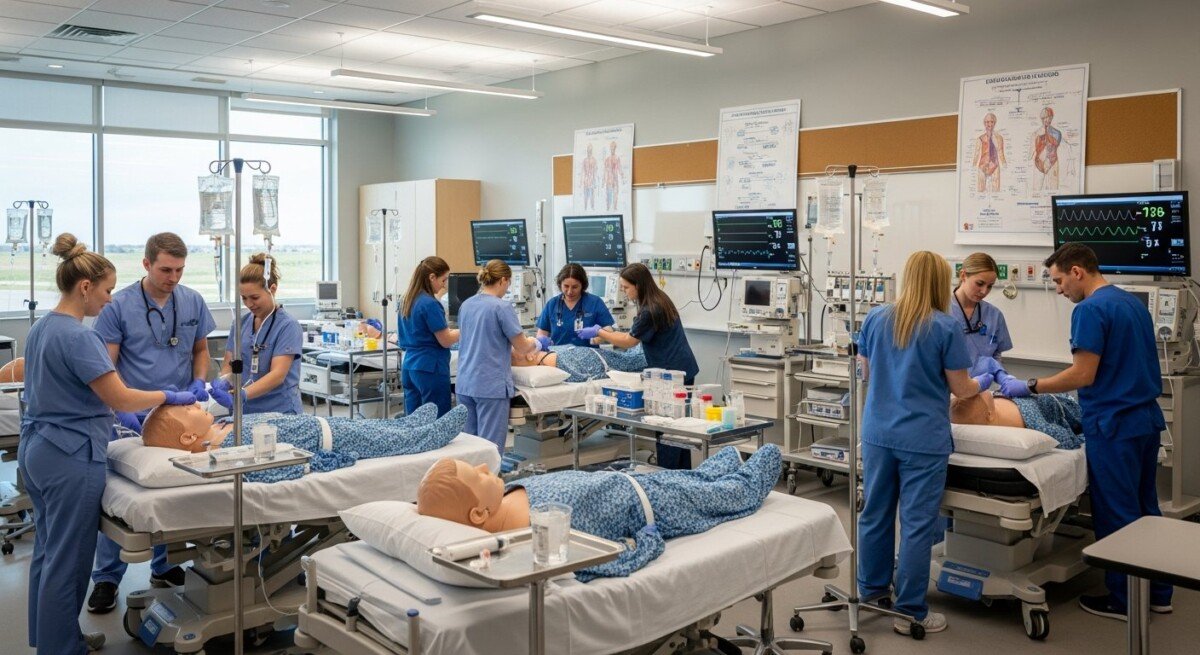
The University of North Dakota (UND) in Grand Forks is a comprehensive leader, particularly known for its School of Medicine & Health Sciences. While its medical doctor program is highly respected, UND’s health sciences portfolio is vast. It offers premier programs in fields like Physician Assistant Studies, Occupational Therapy, Physical Therapy, and Medical Laboratory Science. Their approach is deeply integrated with clinical research and a strong emphasis on serving rural populations, making it an ideal choice for students interested in addressing healthcare disparities. Similarly, North Dakota State University (NDSU) in Fargo excels in nursing, pharmacy, and allied health. The NDSU School of Nursing is renowned for its innovative simulation labs and community-based training models. The College of Health and Human Sciences houses robust programs in Public Health, Exercise Science, and Nutrition, often incorporating cutting-edge research on population health and wellness.
Beyond the two largest universities, several other institutions provide exceptional, focused pathways. Dickinson State University offers a highly regarded and personalized Nursing (BSN) program, known for its high NCLEX pass rates and strong student support. The University of Mary in Bismarck, with its Benedictine values, integrates a service-oriented philosophy into its health programs, including Nursing, Athletic Training, and Physical Education. For those seeking a more technical or associate-level entry point, North Dakota’s community colleges, such as Bismarck State College and Lake Region State College, provide outstanding foundational programs in Practical Nursing, Medical Assistant, and Radiologic Technology that often feature seamless transfer agreements to four-year institutions.
Navigating Program Selection and Admissions
Identifying a superior program is the first step, gaining admission is the next. Health degree programs, especially the most sought-after ones in North Dakota, are often competitive. A strategic approach to the application process can significantly enhance your prospects. Begin by thoroughly researching prerequisite courses. Health sciences curricula are sequential and demanding, requiring a strong foundation in sciences like anatomy, physiology, microbiology, and chemistry. Ensure your high school or prior college coursework aligns, and consider taking additional classes if needed to strengthen your transcript.
Beyond academics, admissions committees look for well-rounded candidates who demonstrate a genuine commitment to healthcare. This is where experiential learning becomes invaluable. Consider the following activities to build a compelling application profile:
- Direct Patient Care Experience: Work or volunteer as a Certified Nursing Assistant (CNA), EMT, or medical scribe. This proves your comfort in clinical settings.
- Shadowing Professionals: Spend time shadowing nurses, therapists, or technologists in your field of interest. This provides insight into daily responsibilities and confirms your career choice.
- Leadership and Service: Take on leadership roles in student organizations or commit to volunteer work, especially in community health or social service settings.
- Strong Letters of Recommendation: Cultivate relationships with science professors and healthcare supervisors who can speak knowledgeably about your work ethic, character, and aptitude.
It is also crucial to understand the specific admissions cycles, which may differ from general university admissions. Many clinical programs have early or separate application deadlines, often a full year before the program start date. Meticulous planning is essential. Furthermore, for students considering online or hybrid options, verifying that the program’s format is compatible with clinical requirements in your geographic area is a must. For broader academic program insights on navigating online and accelerated pathways, exploring dedicated educational resource hubs can be beneficial.
Career Pathways and Outcomes for Graduates
Investing in a health degree from a North Dakota institution opens doors to a stable and rewarding career with strong local, regional, and national demand. The state faces specific healthcare workforce challenges, particularly in rural areas, which translates into significant opportunity for graduates. Many programs report employment rates well above 90% within six months of graduation, often with graduates securing positions at their clinical training sites.
The career trajectories are diverse. Nursing graduates from programs like those at NDSU or the University of Mary are poised to enter hospitals, clinics, and public health agencies, with clear pathways to advanced practice roles like Nurse Practitioner or Nurse Anesthetist. Graduates in Medical Laboratory Science are critical to diagnostic medicine, finding roles in hospital labs, research institutions, and public health laboratories. Public Health professionals are increasingly vital in community health planning and epidemiology. Furthermore, North Dakota’s focus on rural health creates unique opportunities for loan forgiveness or incentive programs for providers who commit to serving in designated shortage areas, a compelling benefit for many graduates.
The value of these degrees also extends beyond state lines. A degree from a rigorously accredited North Dakota program carries national prestige. For instance, a comparison of regional offerings, such as examining top healthcare degree programs in North Carolina, shows that while specialties and regional focus may differ, the core quality and outcomes from leading institutions in states like North Dakota are competitive on a national scale. This portability is key for career mobility.
Frequently Asked Questions
What makes North Dakota a good state for health degrees?
North Dakota combines high-quality, accredited programs with a high demand for healthcare professionals. The learning environment is supported by major health systems, offers diverse clinical experiences (urban and rural), and often features lower student-to-faculty ratios, leading to personalized education.
Are there strong online health degree options based in North Dakota?
Yes. Several universities, notably UND and NDSU, offer reputable online and hybrid programs, particularly in fields like Nursing (RN to BSN), Public Health, and Health Administration. These are designed for working professionals and require careful coordination of online coursework with in-person clinical components.
How important is accreditation for health programs?
It is absolutely critical. Programmatic accreditation ensures the education meets professional standards, is required for graduates to sit for licensure or certification exams, and is a key factor considered by employers. Always verify accreditation status directly on the program’s website.
What financial aid or scholarship opportunities are specific to health students in ND?
Beyond federal aid, North Dakota offers state-specific programs like the North Dakota Healthcare Professional Loan Repayment Program, which rewards service in underserved areas. Many universities also have scholarships earmarked for nursing, allied health, and pre-med students funded by healthcare foundations and alumni.
Can I start at a community college and transfer to a four-year health program?
This is a very common and strategic path. North Dakota has articulated transfer agreements between its community colleges and universities for programs like Nursing and Medical Laboratory Science. Working closely with advisors at both institutions from the start is essential to ensure all prerequisites are met for a seamless transition.
Pursuing a health degree in North Dakota is an investment in a future defined by purpose and stability. The state’s educational institutions have meticulously built programs that respond directly to the evolving needs of the healthcare landscape, producing graduates who are not just qualified, but exceptional. By focusing on accredited programs with strong clinical partnerships, a supportive learning environment, and clear pathways to licensure and employment, you can confidently launch a career that makes a tangible difference in people’s lives. The journey begins with selecting the right program, a decision that will shape your professional identity and impact for decades to come. academic program insights