
Top Health Sciences Programs in Tennessee for Aspiring Professionals
Tennessee offers top-tier health sciences programs with direct pathways to high-demand healthcare careers. Discover the keys to accessing excellent health sciences education in Tennessee.

By Henry Powell
Tennessee has emerged as a national leader in health sciences education, offering a diverse and robust landscape of programs designed to meet the urgent demands of the healthcare sector. From the bustling medical hubs of Nashville and Memphis to the innovative campuses in Knoxville and Chattanooga, the state provides pathways for students at every level, whether they are pursuing an associate degree in a clinical field or a doctoral degree in advanced medical research. This concentration of high-caliber institutions, coupled with strong partnerships with world-renowned healthcare systems, creates an environment where theoretical knowledge is seamlessly integrated with practical, hands-on experience. For anyone considering a career in healthcare, Tennessee represents a premier destination for building a solid educational foundation and launching a successful, impactful career.
The Pillars of Tennessee’s Health Sciences Education Ecosystem
The strength of Tennessee’s health sciences education lies in a multifaceted ecosystem built on several key pillars. First is the depth and breadth of program offerings. Students can find accredited programs in nursing (from LPN to DNP), medicine, pharmacy, dentistry, physical and occupational therapy, public health, medical laboratory science, and health administration, among many others. This variety ensures that individuals can find a program that aligns precisely with their career aspirations, from direct patient care to healthcare management and policy.
Second is the integration with major healthcare providers. Institutions like Vanderbilt University Medical Center, the Methodist Le Bonheur Healthcare system in Memphis, and Ballad Health in East Tennessee are not just adjacent to universities, they are often integral partners. This symbiosis means students have access to clinical rotations, internships, and research opportunities within some of the nation’s top hospitals and clinics from day one. This real-world exposure is invaluable, transforming classroom learning into applicable skills and professional networking.
Finally, a commitment to innovation and addressing community health needs underpins the curriculum across the state. Programs are increasingly incorporating telehealth training, population health management, and interdisciplinary education models that reflect the future of healthcare delivery. This forward-thinking approach ensures that graduates are not just prepared for today’s jobs, but are equipped to lead and adapt in the evolving healthcare landscape of tomorrow.
Leading Institutions and Their Signature Programs
Tennessee’s higher education system boasts a mix of prestigious private research universities and strong public institutions, each contributing uniquely to the state’s reputation for excellent health sciences education.
Vanderbilt University in Nashville is often at the forefront, with its top-ranked School of Medicine, School of Nursing, and allied health programs. Vanderbilt’s emphasis on translational research allows students to engage in projects that directly impact patient care. The University of Tennessee Health Science Center (UTHSC) in Memphis is another powerhouse, operating colleges of Medicine, Dentistry, Pharmacy, Nursing, and Health Professions. As the state’s only public, statewide academic health system, UTHSC has a profound impact on healthcare across Tennessee, particularly in rural and underserved communities.
East Tennessee State University’s Quillen College of Medicine is nationally recognized for its focus on training primary care physicians for rural areas, addressing a critical workforce need. Belmont University in Nashville has rapidly expanded its health sciences portfolio, including a well-regarded School of Pharmacy and innovative programs in nursing and occupational therapy. The University of Tennessee, Knoxville, offers strong programs in nursing, kinesiology, and public health, often collaborating with the nearby UT Medical Center.
For those seeking career-focused pathways, the Tennessee College of Applied Technology (TCAT) system and community colleges like Chattanooga State and Southwest Tennessee Community College provide exceptional associate degree and certificate programs in fields such as surgical technology, dental assisting, radiography, and practical nursing. These programs are tightly aligned with local employer needs, boasting high job placement rates and serving as vital pipelines for the healthcare workforce. The strategic use of technology in curriculum design is a growing trend, as explored in resources discussing how generative AI is shaping education, which is beginning to influence simulation-based training and personalized learning in health sciences programs.
Career Outcomes and Economic Impact
Pursuing a health sciences degree in Tennessee is a strategic investment with a high return. The healthcare sector is one of the largest and fastest-growing employers in the state. Major hospital systems, expanding outpatient clinics, long-term care facilities, public health departments, and a growing biotech and health tech industry create a constant demand for skilled professionals. Graduates from Tennessee programs are highly sought after, not only within the state but across the country, thanks to the rigorous training and clinical experience they receive.
The career pathways are diverse and often lucrative. While becoming a physician or pharmacist requires extensive education, many high-demand, well-compensated roles are accessible with shorter training periods. For example, the state’s investment in its nursing workforce has led to numerous scholarship and loan forgiveness programs, particularly for those willing to work in high-need areas. The economic impact of these programs extends beyond individual graduates. They supply the essential workforce that keeps communities healthy, attracts major healthcare corporations to the state, and fuels medical research that can lead to new treatments and economic development.
To explore the full spectrum of educational pathways, including online and hybrid models that offer flexibility for working adults, prospective students can find valuable academic program insights through dedicated educational resource platforms. These resources are crucial for comparing accreditation, format, and outcomes across different institutions.
Navigating the Admissions and Financial Landscape
Gaining admission to competitive health sciences programs requires careful planning. Prerequisites typically include a strong foundation in sciences (biology, chemistry, anatomy, physiology) and mathematics. Many programs, especially in nursing and allied health, have competitive admissions based on GPA, standardized test scores, and often, interviews or situational judgment assessments. For graduate programs like medical or pharmacy school, relevant volunteer or work experience in a healthcare setting is virtually essential.
Financing this education is a primary concern for most students. Fortunately, Tennessee offers several unique advantages. The state’s lottery-funded programs, like the Tennessee Promise and Tennessee Reconnect, provide last-dollar scholarships for associate degrees at community colleges and TCATs, making entry-level health sciences certificates and degrees remarkably affordable. For bachelor’s degrees, the Tennessee HOPE Scholarship is widely available. Additionally, many health sciences programs have specific scholarships funded by hospitals, foundations, and professional associations aimed at increasing the workforce in targeted fields. Prospective students should diligently research and apply for these institution-specific and state-based aid opportunities early in their planning process.
Frequently Asked Questions
What are the most in-demand health sciences careers in Tennessee right now?
Nursing (especially registered nurses and nurse practitioners), medical and clinical laboratory technologists, radiologic technologists, physical therapist assistants, and respiratory therapists are consistently in high demand across the state. Mental health professionals, including counselors and social workers, are also critically needed.
Are there specific programs for non-traditional or adult students?
Yes, many Tennessee institutions excel in serving adult learners. Accelerated Bachelor of Science in Nursing (ABSN) programs for those who already hold a degree in another field are popular. Many community colleges and universities also offer evening, weekend, and hybrid online/on-campus formats for degrees in health administration, health information management, and public health.
How important is accreditation for health sciences programs?
It is absolutely critical. Professional accreditation (e.g., from CCNE for nursing, ACOTE for occupational therapy, CAPTE for physical therapy) ensures the program meets national quality standards. Graduation from an accredited program is required to sit for licensure or certification exams, which are mandatory to practice in most clinical health professions.
Can I start at a community college and transfer to a university for a health sciences degree?
This is a highly effective and cost-efficient strategy. Tennessee has strong articulation agreements between its community colleges and public universities. Many students complete prerequisite courses and earn an Associate of Science degree at a community college before seamlessly transferring to a university to complete a Bachelor of Science in Nursing (BSN) or another health-related bachelor’s degree.
What support services do Tennessee schools offer health sciences students?
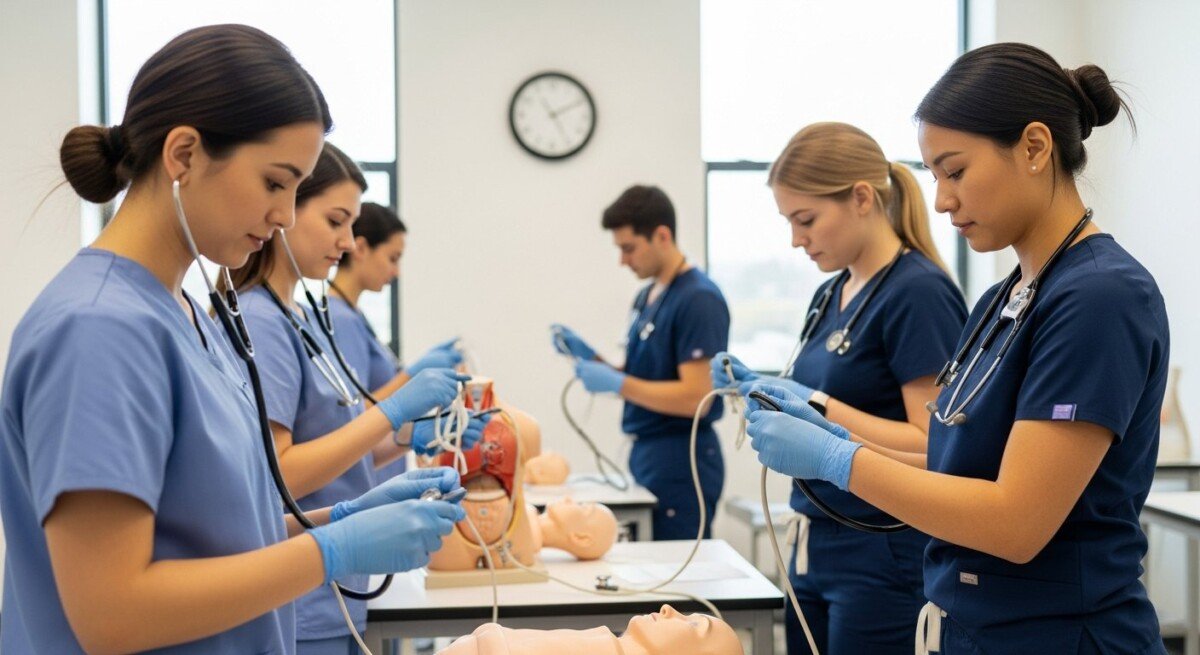
Beyond standard academic advising, top programs offer dedicated success coaches, tutoring centers for tough science courses, clinical placement offices to secure rotations, simulation labs for low-risk practice, and robust career services that connect students with employers well before graduation.
The journey to a career in healthcare begins with choosing the right educational foundation. Tennessee’s combination of top-tier research institutions, practical career colleges, strong industry partnerships, and state-supported financial aid creates an environment where aspiring healthcare professionals can thrive. By carefully researching programs, understanding admissions requirements, and leveraging available resources, students can access an excellent health sciences education in Tennessee that prepares them not just for a job, but for a meaningful and enduring career dedicated to improving lives.