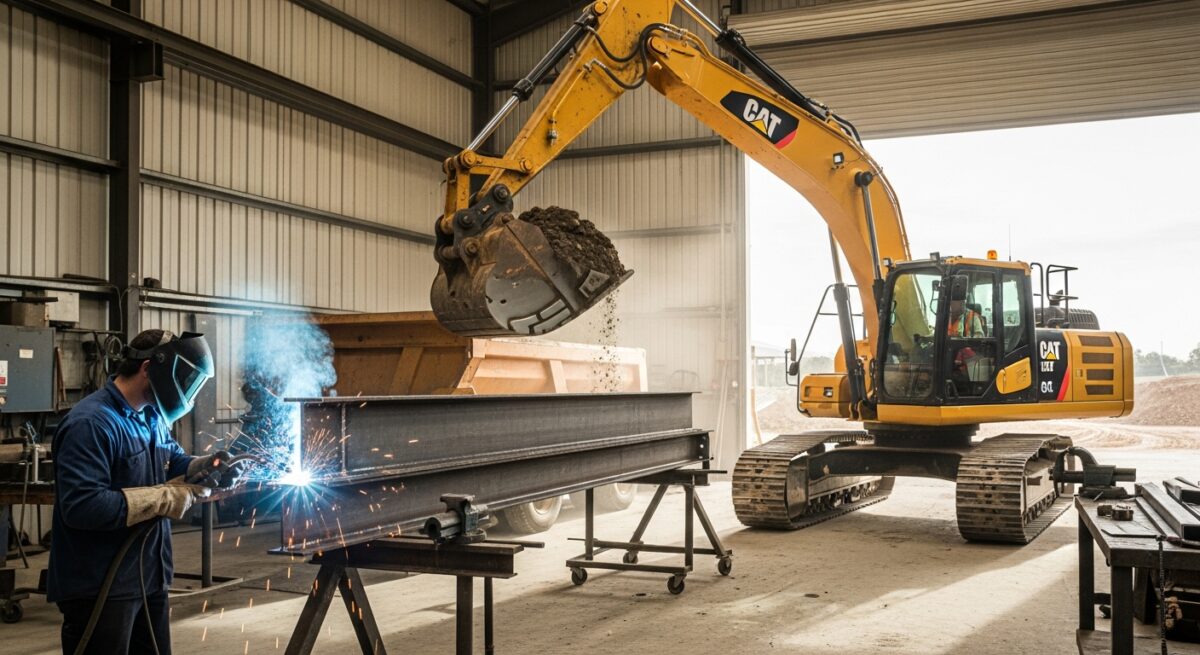
For too long, the narrative around financial success has centered on desk jobs and four-year degrees. But a quiet revolution is underway. As the economy shifts and skilled trades face a labor shortage, many hands-on roles now offer salaries that rival or surpass those of traditional white-collar positions. If you prefer working with your hands, solving tangible problems, and avoiding the cubicle, the landscape of high paying physical jobs and skilled careers is more promising than ever. This guide explores the most lucrative paths that reward skill, grit, and precision over a formal degree.
From electrical work to heavy equipment operation, these careers offer not just a paycheck but long-term stability and growth. The demand for skilled labor has driven wages upward, making this an ideal time to enter a trade. Whether you are a recent high school graduate or a career changer seeking a more active role, understanding these options is the first step toward a rewarding future. We will break down the top roles, required training, earning potential, and how to get started without a mountain of student debt.
Why Hands-On Professions Are Booming
The modern economy has created a paradox. While technology eliminates some jobs, it also creates a high demand for those who can install, repair, and maintain complex systems. Baby boomers are retiring from the trades in droves, leaving a gap that younger workers have been slow to fill. This supply-demand imbalance has pushed salaries for skilled labor to record highs. High paying physical jobs are no longer an anomaly; they are a growing segment of the labor market.
Furthermore, many of these roles cannot be outsourced or automated. A plumber fixing a burst pipe, an electrician wiring a new home, or a wind turbine technician climbing a tower all require a physical presence and adaptive problem-solving that robots cannot replicate. This job security, combined with competitive wages, makes labor careers salary a topic of serious consideration for anyone evaluating their future. The stigma once attached to manual work has faded, replaced by an appreciation for the expertise and earning power these positions hold.
Top High Paying Physical Jobs and Skilled Careers
Below is a detailed look at some of the most financially rewarding hands-on professions. Each entry includes typical duties, training requirements, and average salary ranges. These figures are based on national data and may vary by location and experience.
Elevator Installers and Repairers
This is consistently one of the highest-paying trades without a four-year degree. Elevator installers and repairers assemble, install, and fix elevators, escalators, moving walkways, and other lifts. The work involves electrical wiring, hydraulics, and heavy mechanical components. It requires strength, dexterity, and a head for heights.
Most workers enter through a four-year apprenticeship program that combines paid on-the-job training with classroom instruction. The median annual wage for this role often exceeds $90,000, with experienced workers in major metropolitan areas earning well into six figures. The job outlook is strong, driven by ongoing construction and the need to maintain aging equipment in existing buildings.
Electrical Power-Line Installers and Repairers
These are the men and women who install and repair the cables and equipment that carry electricity from power plants to homes and businesses. The job is physically demanding and can be dangerous, often requiring work at great heights and in all weather conditions. However, the compensation reflects the risk and skill involved.
Training typically includes a combination of technical school courses and a multi-year apprenticeship. The median annual wage is around $80,000, with top earners exceeding $100,000. Workers are often unionized, which provides excellent benefits and job security. This role is a classic example of a high paying physical job that requires no college degree but offers substantial financial rewards.
Construction Managers
While this role involves a significant amount of planning and office work, it is deeply rooted in the physical reality of a jobsite. Construction managers coordinate and supervise projects from start to finish, handling budgets, schedules, and personnel. They must understand every phase of construction and often have a background in a specific trade.
Many construction managers start as carpenters, electricians, or masons and work their way up. While some employers prefer a degree in construction science or management, extensive experience in the field can suffice. The median salary is over $100,000, making it one of the most lucrative hands-on jobs. The blend of physical site presence and managerial responsibility makes it a unique and rewarding career path.
Wind Turbine Service Technicians
As the renewable energy sector expands, so does the demand for wind turbine technicians. These professionals inspect, maintain, and repair wind turbines. The work involves climbing hundreds of feet, working in confined spaces, and troubleshooting complex mechanical and electrical systems. It is a relatively new field but one that is growing rapidly.
Training usually involves a certificate or associate degree from a technical school, often taking less than two years. The median annual wage is approximately $60,000, but with experience and specialization, it can climb higher. The physical demands and travel requirements are high, but the opportunity for advancement and the satisfaction of working in green energy are significant draws.
Plumbers, Pipefitters, and Steamfitters
This is a foundational trade that will always be in demand. Plumbers install and repair water, gas, and drainage systems in residential, commercial, and industrial settings. Pipefitters work with high-pressure systems in factories and power plants, while steamfitters specialize in steam systems. All require a strong understanding of physics, mathematics, and building codes.
Entry is typically through a four- to five-year apprenticeship. The median annual wage is around $60,000, but experienced plumbers, especially those who start their own businesses, can earn significantly more. This is a reliable labor career salary path that offers stability and the potential for entrepreneurship. The work is varied, challenging, and physically engaging.
Commercial Divers
Commercial divers work underwater on construction, inspection, and repair projects. They may weld pipelines, inspect dams, or salvage sunken vessels. This is a niche but extremely high-paying physical job. The work is dangerous and requires excellent physical fitness, specialized training, and a calm demeanor under pressure.

Training involves attending a commercial diving school, which can take several months to a year. Certification from organizations like the Association of Diving Contractors International is often required. Salaries vary greatly depending on the project and depth of the dive, but experienced commercial divers can earn over $100,000 per year. The combination of adventure and high pay makes it a compelling choice for the right person.
How to Get Started in a Skilled Trade
Transitioning into a high paying physical job requires a strategic approach. Unlike a traditional four-year degree, the path is often more direct and less expensive. Here are the key steps to launch your career.
First, research the trades that interest you. Talk to people in the field, shadow a worker, or visit a local union hall. Understanding the day-to-day reality of a job is crucial. Next, consider the training options:
- Apprenticeships: These are paid positions where you learn while you earn. They are the gold standard for most trades and often lead directly to full-time employment.
- Vocational or Technical Schools: These offer certificate or associate degree programs that can give you a head start. They are faster and cheaper than a four-year college.
- On-the-Job Training: Some employers hire unskilled workers and train them internally. This is common in fields like manufacturing or construction labor.
After training, consider getting certified. Many trades require licenses or certifications, which demonstrate competence and can lead to higher pay. Finally, build your network. Join professional organizations, attend industry events, and connect with other tradespeople. Reputation and word-of-mouth are powerful tools in the skilled trades world.
Financial and Lifestyle Considerations
While the earning potential is high, these careers come with unique trade-offs. Physical labor can be taxing on the body over time. Many workers experience wear and tear on their joints, back, and knees. It is essential to prioritize health, safety, and proper ergonomics. Investing in good tools and protective equipment is not optional; it is a career necessity.
On the positive side, many skilled trades offer the opportunity to be your own boss. A skilled electrician or plumber can start a solo practice and control their schedule and income. The work is also deeply satisfying in a tangible way. You can see the result of your effort at the end of the day, whether it is a fully wired house or a repaired pipeline. This sense of accomplishment is a powerful motivator.
The financial benefits extend beyond the paycheck. Many trades offer excellent benefits, including health insurance, retirement plans, and paid time off through unions or employers. Additionally, you avoid the student loan debt that plagues many college graduates. For those willing to work hard, high paying physical jobs provide a clear path to financial independence without the burden of educational debt. To explore other fast-track options, our guide on 10 Easiest High Paying Jobs to Get and Career Paths offers additional insights into quick-entry roles.
Frequently Asked Questions
What is the highest paying physical job without a degree?
Elevator installers and repairers often top the list, with median salaries exceeding $90,000 per year. Commercial divers and electrical power-line workers also earn very high wages without requiring a traditional college degree.
Do high paying physical jobs require a lot of training?
Yes, most require significant training, but it is typically hands-on and paid. Apprenticeships last from two to five years, during which you earn a salary while learning the trade. This is a stark contrast to the unpaid internships common in many white-collar fields.
Are these careers stable and growing?
Absolutely. The Bureau of Labor Statistics projects steady growth for most skilled trades. The retirement of the baby boom generation and the need for infrastructure maintenance ensure a constant demand for skilled workers. Labor careers salary data shows consistent upward trends.
Can I start a business in a skilled trade?
Yes, many tradespeople eventually start their own businesses. After gaining experience and building a reputation, you can become an independent contractor or start a small company. This can significantly increase your earning potential and provide greater flexibility.
How do unions affect pay and working conditions?
Unions play a major role in many trades, especially in construction and electrical work. They negotiate for higher wages, better benefits, and safer working conditions. Union members often earn more than non-union workers and have stronger job protections.
Your Next Move in a Hands-On Career
The path to a prosperous career does not always run through a university lecture hall. High paying physical jobs and skilled careers offer a compelling alternative for those who value practicality, autonomy, and tangible results. The demand for skilled labor is real, and the financial rewards are substantial. By choosing a trade, you are not settling for less; you are investing in a career that respects your skills and effort.
Whether you choose to work with electricity, water, wind, or steel, the opportunity is there for the taking. The first step is simply to explore. Talk to a local union, visit a trade school, or shadow a professional. For those seeking a more comprehensive look at educational pathways, resources like degreeonline.education can help you compare training options. Your future in a hands-on, high-earning career starts now.