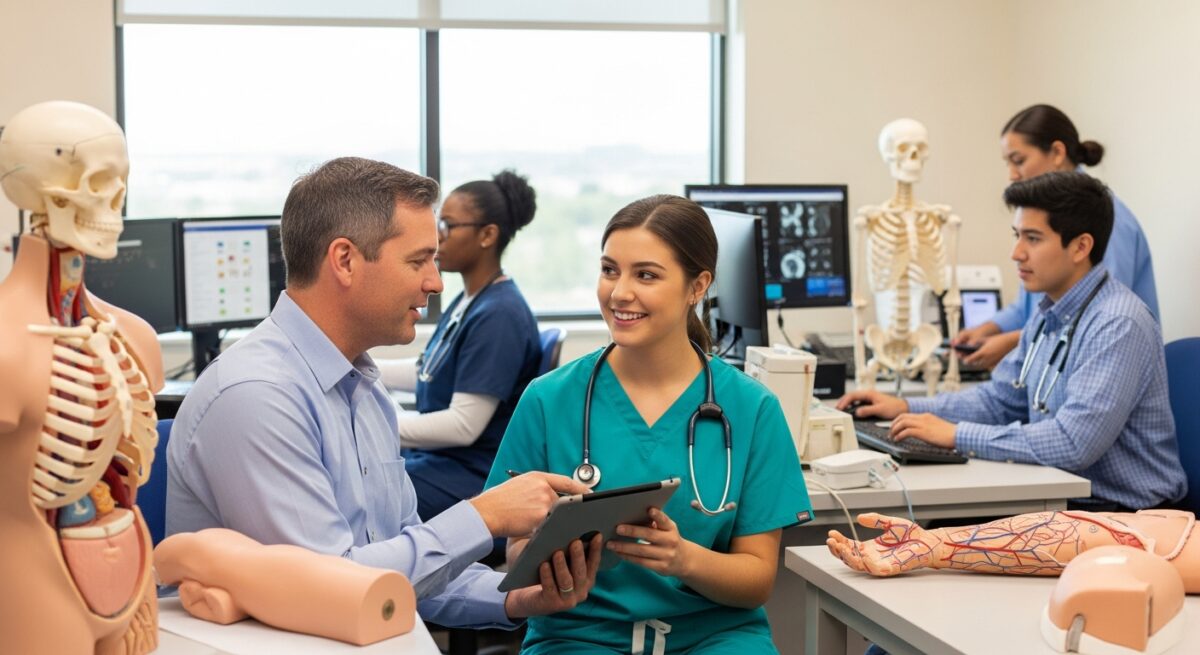
Choosing a college major is one of the most significant decisions a student makes, directly impacting career trajectory, earning potential, and long-term satisfaction. In New Hampshire, where the economy blends traditional industries like manufacturing with booming tech and healthcare sectors, selecting a degree with strong job prospects is particularly crucial. The right academic program can serve as a powerful launchpad, connecting graduates directly to the state’s most dynamic employers and highest-growth opportunities. This analysis identifies the university majors in New Hampshire that offer the strongest combination of local demand, competitive salaries, and career stability, providing a roadmap for students aiming to build a successful future within the Granite State.
Defining “Job-Friendly” in the New Hampshire Context
Before listing specific majors, it’s essential to understand what makes a degree “job-friendly” within New Hampshire’s unique economic landscape. A job-friendly major is more than just a popular field of study, it is an academic pathway that aligns closely with the demonstrated needs of the state’s employers. Key indicators include a high ratio of job openings to qualified graduates, competitive starting and mid-career salaries that outpace the state median, and a clear pathway to employment within New Hampshire itself, reducing the need for out-migration. Furthermore, these programs often feature strong partnerships with local industries, offering co-ops, internships, and project-based learning that provide students with real-world experience before graduation. The state’s economic drivers, including advanced manufacturing, information technology, healthcare, and business services, create a specific demand profile that the most effective university programs directly address.
Engineering and Computer Science: The Tech and Innovation Backbone
New Hampshire’s position within the greater Boston tech corridor and its growing number of homegrown tech firms create relentless demand for engineering and computer science talent. Majors in this category are arguably the most consistently job-friendly in the state. Electrical Engineering, Mechanical Engineering, and Computer Science graduates from universities like the University of New Hampshire (UNH) and Dartmouth College are heavily recruited by defense contractors, semiconductor manufacturers, and software companies. Specialized programs in Cybersecurity are particularly in vogue, as businesses and government agencies across the state prioritize digital security. The applied nature of these degrees, often requiring hands-on lab work and senior design projects, ensures graduates are ready to contribute from day one. For students interested in the intersection of technology and business, Management Information Systems (MIS) is another standout major, blending technical skills with business acumen to meet the needs of virtually every modern corporation.
Healthcare and Life Sciences: Meeting Critical State Needs
The healthcare sector is a perennial source of stable, high-demand careers, and New Hampshire is no exception. With an aging population and a network of hospitals, clinics, and research institutions, healthcare-related majors offer exceptional job security. Nursing, particularly through Bachelor of Science in Nursing (BSN) programs, is a premier job-friendly major. Graduates often have multiple job offers before completing their licensure, with opportunities spanning from major hospital systems in Manchester and Nashua to rural community health centers. Beyond nursing, degrees in Medical Laboratory Science, Public Health, and Exercise Science are also highly sought after. For those inclined toward advanced study, a bachelor’s in Biology or Biochemistry serves as a perfect pre-professional pathway to medical, dental, or physician assistant schools, addressing the state’s need for primary care providers. Our dedicated guide on Top Healthcare Degree Programs in New Hampshire for 2026 explores these pathways in greater detail.
The Rise of Allied Health and Technical Roles
It’s important to look beyond traditional four-year degrees. Associate degrees and specialized certifications in allied health fields represent some of the most efficient and job-friendly educational investments. Programs in Radiologic Technology, Respiratory Therapy, and Dental Hygiene typically take two to three years and result in near-guaranteed employment with excellent compensation. These roles are critical to the healthcare ecosystem and are consistently listed among the state’s “high-demand” occupations by workforce development agencies.
Business and Financial Operations: Driving the Corporate Economy
New Hampshire’s business-friendly climate attracts corporations and fosters entrepreneurship, creating robust demand for business graduates. However, not all business majors are equally positioned. Degrees with quantitative and analytical rigor tend to fare best. Accounting is a classic example, a major where graduates can secure positions in public accounting firms, corporate finance departments, or with state agencies, often with a clear trajectory toward CPA licensure. Finance and Data Analytics are similarly powerful, equipping graduates to work in banking, investment, insurance, and the analytics departments of retail and tech companies. Even within a general Business Administration degree, students who concentrate in areas like Supply Chain Management or Marketing Analytics significantly enhance their job prospects by acquiring specific, in-demand skill sets.
Skilled Trades and Advanced Manufacturing
Often overlooked in discussions of university majors, specialized programs tied to New Hampshire’s industrial base are exceptionally job-friendly. Universities and colleges in the state offer sophisticated programs in fields like Mechanical Engineering Technology, Construction Management, and Manufacturing Engineering. These programs blend theoretical knowledge with intense practical application, producing graduates who can immediately operate advanced CNC machinery, manage building projects, or improve production processes. The state’s advanced manufacturing sector, which includes aerospace, bio-medical devices, and precision machining, actively partners with schools to design curriculum and provide apprenticeship opportunities, creating a direct pipeline from classroom to high-paying workshop floor or engineering office.
For students exploring flexible or remote learning options to enter these high-demand fields, valuable academic program insights can be found through dedicated online education resources that compare accredited pathways.
Strategies for Maximizing Your Major’s Job Potential
Choosing a job-friendly major is the first step, but proactive students take additional actions to secure their career launch. Regardless of your chosen field, integrating experiential learning is non-negotiable. This means actively pursuing internships, co-operative education (co-op) placements, and relevant part-time work. New Hampshire’s universities have strong career services offices that connect students with local employers for these opportunities. Secondly, engage with faculty advisors and industry mentorship programs. They can provide guidance on specialized courses, certifications (e.g., CompTIA Security+, AWS Cloud Practitioner, Lean Six Sigma), and networking events that align with employer needs. Finally, develop a hybrid skill set. An engineering student should take business communication courses, a nursing student might study healthcare informatics, and a business major should become proficient in data visualization software. This versatility makes a candidate indispensable. For a broader look at compensation, our analysis of Top High Paying Starting Jobs for New Graduates provides useful benchmarks across industries.
Key actions every student should take include:
- Secure at least one major internship or co-op before senior year.
- Attend university career fairs and employer networking sessions every semester.
- Build a professional online presence on LinkedIn, showcasing projects and skills.
- Join relevant student clubs or professional organizations (e.g., Society of Women Engineers, Finance Club, Student Nurses’ Association).
- Schedule practice interviews with career services to refine your pitch to employers.
Frequently Asked Questions
Are liberal arts degrees considered job-friendly in New Hampshire?
Yes, but with a strategic approach. While a general liberal arts degree may require more proactive career planning, skills like critical thinking, writing, and complex problem solving are highly valued. Liberal arts students dramatically improve their job prospects by double-majoring, minoring in a technical field (e.g., digital media, data science), or completing targeted internships that build a professional portfolio.
How important is the specific university I attend within New Hampshire?
For most job-friendly majors, the program’s accreditation and industry connections matter more than the institution’s general prestige. Employers actively recruit from programs with a known track record of producing work-ready graduates. Research the career placement rates and industry partners of the specific department, not just the overall university.
Should I choose a major solely based on job demand?
No. Interest and aptitude are critical components of long-term success and satisfaction. The best approach is to find the intersection between a field you are genuinely interested in and one that has viable career pathways. A student passionate about their major will likely earn better grades, secure stronger recommendations, and perform better in interviews.
How can I research job demand for a specific major in New Hampshire?
Start with the New Hampshire Economic and Labor Market Information Bureau (NHES), which publishes lists of high-demand occupations. Review job boards like Indeed and LinkedIn for entry-level positions in your field of interest, noting required qualifications. Finally, speak directly with department chairs and career advisors at your target universities, they have real-time data on graduate outcomes and recruiter visits.
Do online degrees from New Hampshire institutions hold the same weight with employers?
Accredited online degrees from reputable New Hampshire universities are generally viewed as equivalent to their on-campus counterparts, especially if the program includes opportunities for practical experience. The key is regional accreditation and whether the degree enables you to develop the necessary skills and professional network.
Ultimately, selecting one of New Hampshire’s most job-friendly university majors is a strategic investment in a stable and rewarding future within the state. By aligning your education with the clear needs of the local economy, engaging deeply with experiential learning, and developing a versatile skill set, you position yourself not just to find a job, but to launch a meaningful career. The Granite State’s diverse economy offers a wealth of opportunity for prepared graduates, making the choice of major a pivotal first step toward long-term professional success.