
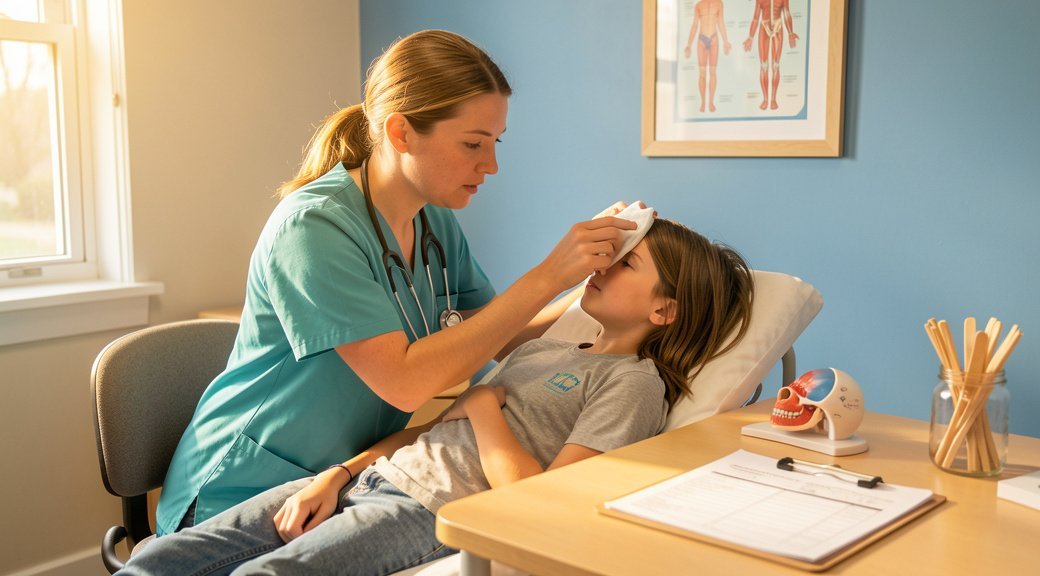
Top School Nurse Degrees for Career Advancement and Impact
Earning a specialized school nurse degree unlocks leadership roles and higher impact in student health. Discover the top programs that go beyond basic certification.

By Benjamin Clarke
For registered nurses seeking a career that blends clinical expertise with public health, education, and community leadership, the role of a school nurse is uniquely rewarding. However, securing a position in a competitive district or aiming for leadership roles within student health services often requires more than just an RN license. It demands specialized academic preparation. Pursuing one of the distinguished school nurse degrees available today is the definitive pathway to not only meeting state certification requirements but also excelling in this critical field. These programs transform nurses into comprehensive health experts capable of managing complex student needs, shaping wellness policies, and becoming indispensable assets to their educational communities.
The Educational Pathway to Becoming a School Nurse
The baseline requirement to practice as a school nurse varies by state but typically includes holding a valid Registered Nurse (RN) license. Many states, however, mandate additional certification, which often requires a bachelor’s degree. This is where the pursuit of specialized education begins. While an Associate Degree in Nursing (ADN) allows you to become an RN, the Bachelor of Science in Nursing (BSN) is increasingly considered the entry-level standard for school nursing. A BSN provides the broader public health, community assessment, leadership, and research foundation that is directly applicable to the school setting. For nurses with an ADN, numerous RN-to-BSN programs offer an accelerated route to this essential credential.
True distinction, however, comes from programs that go beyond the generic BSN. Several universities offer BSN tracks or post-licensure certificates specifically in School Nursing. These are among the most distinguished school nurse degrees for entry-level specialization. They delve into the unique legal and ethical issues in educational settings, growth and development across school-age years, program management for health services, and the management of chronic conditions like asthma, diabetes, and severe allergies in children. For the RN who already holds a BSN in another specialty, a post-baccalaureate certificate in school nursing is an efficient way to gain this targeted knowledge and qualify for state certification.
Advanced Degrees for Leadership and Clinical Expertise
For nurses aiming to become district-level directors of health services, clinical instructors, or policy advocates, a graduate degree is the key differentiator. A Master of Science in Nursing (MSN) with a specialization in School Nursing, Nursing Education, or Public Health represents a significant career advancement. These programs prepare nurses for the highest levels of practice. Coursework focuses on advanced health assessment, strategic planning for population health, grant writing for school health programs, and interdisciplinary collaboration. An MSN-educated school nurse is equipped to design and evaluate district-wide wellness initiatives, lead teams of health aides, and serve as a crucial liaison between the school district, healthcare providers, and the community.
The pinnacle of academic achievement in this field is the Doctor of Nursing Practice (DNP). While not required for most direct care positions, a DNP is the terminal practice-focused degree for nurses who wish to lead transformational change. A DNP project might involve implementing a groundbreaking mental health screening program, using data to reduce health disparities within a student population, or developing a professional development curriculum for school nursing staff nationwide. Holding a DNP signifies an expert-level commitment to evidence-based practice and systemic improvement in child and adolescent health.
Selecting the Right Distinguished Program for You
With many programs available online and on-campus, choosing the right one requires careful consideration. Not all nursing degrees are created equal, and the most distinguished school nurse degrees share several key attributes. Accreditation is non-negotiable: ensure the program is accredited by the Commission on Collegiate Nursing Education (CCNE) or the Accreditation Commission for Education in Nursing (ACEN). Furthermore, look for programs that explicitly align with the framework set by the National Association of School Nurses (NASN) and prepare you for the National Board for Certification of School Nurses (NBCSN) exam, a highly respected credential.
Beyond accreditation, the hallmarks of a top-tier program include a curriculum that balances theory with practical application. Key components to look for are:
- Comprehensive Clinical Practicums: Programs should offer supervised field experiences in a variety of school settings (elementary, middle, high school) to build hands-on competence.
- Focus on Contemporary Issues: The curriculum should address current challenges like adolescent mental health crises, telehealth in schools, managing pandemic protocols, and supporting LGBTQ+ youth.
- Faculty Expertise: Instructors should be actively engaged in school nursing practice or research, bringing real-world insight into the classroom.
- Flexibility for Working Professionals: Many prospective students are already RNs. Asynchronous online courses, part-time schedules, and tailored clinical arrangements are essential features.
Prospective students should also investigate the program’s support services and outcomes. A strong program will have dedicated academic advisors familiar with state certification rules, a robust network of clinical preceptors, and a high job placement rate for graduates. Reaching out to admissions counselors and asking for connections to alumni can provide invaluable firsthand perspective on the program’s value and reputation.
Career Outcomes and the Value of Specialization
Investing in a distinguished school nurse degree opens doors to a wider range of opportunities and greater professional impact. While the primary role is within a K-12 school building, specialized education qualifies nurses for positions such as a School Nurse Consultant for a state department of education, a health services coordinator for a charter school network, or a case manager for a pediatric hospital’s school re-entry program. The advanced clinical and administrative skills gained are also transferable to other public health nursing roles.
Financially, advanced education often correlates with higher earning potential. While school nurse salaries vary widely by region and district, those with MSN or DNP degrees, and especially those in administrative or director roles, command higher salaries. More importantly, the value lies in job security and fulfillment. A nurse with a specialized degree is not just a staff member, they are a recognized health expert whose input is sought on safety committees, IEP (Individualized Education Program) teams, and district leadership councils. They are better prepared to advocate for student health needs and to secure funding for essential health services, directly impacting the well-being and academic success of thousands of students.
Frequently Asked Questions
What is the fastest way to become a school nurse if I already have an RN license?
The fastest path is typically a post-licensure certificate in school nursing, often available online. These programs build upon your existing RN knowledge and focus solely on the competencies required for school nurse certification, allowing you to complete requirements in as little as one year of part-time study.
Can I get a distinguished school nurse degree entirely online?
Yes, many highly respected programs are offered online. Didactic coursework is completed virtually, while clinical practicum hours are arranged in approved school settings local to the student. This format is ideal for working nurses seeking flexibility without sacrificing quality.
Is a master’s degree worth it for a school nurse?
For nurses seeking leadership, policy influence, or the highest clinical expertise, an MSN is absolutely worth it. It qualifies you for director-level positions, enhances your authority, and deepens your ability to improve population health outcomes. For those content with direct care in a single school, a BSN or certificate may suffice, but an MSN future-proofs your career.
How important is the NBCSN certification?
The Nationally Certified School Nurse (NCSN) credential is a voluntary but highly respected mark of professional competency. Many districts prefer or provide salary incentives for NCSNs. Graduating from a distinguished program that prepares you for this exam is a significant advantage, signaling that your education meets a rigorous national standard.
What financial aid is available for these programs?
Beyond standard federal loans and grants, explore scholarships specifically for nurses pursuing school health specialties. The National Association of School Nurses and its state affiliates often list opportunities. Some school districts also offer tuition reimbursement or loan forgiveness programs for employees who advance their education in a related field.
The journey to becoming an exceptional school nurse is fundamentally an academic one. By choosing a rigorous, specialized program, you do more than check a box for certification. You build a foundation of knowledge that empowers you to be a leader, an advocate, and a clinical expert for the student population you serve. In a field where the health and educational outcomes of children are at stake, pursuing a distinguished degree is not just a career move, it is a commitment to excellence that will define your professional impact for years to come.