
What Constitutes Outstanding Forensic Nursing Education?
Exceptional forensic nursing programs prepare nurses to expertly bridge patient care and legal evidence. This foundation is crucial for competent, trauma-informed practice.

By Benjamin Clarke
Forensic nursing sits at the critical intersection of healthcare, law, and victim advocacy. These specialized nurses provide compassionate care to individuals impacted by violence and trauma, while simultaneously collecting evidence and interfacing with the legal system. The gravity of this role demands more than standard clinical training, it requires an educational foundation built on rigor, empathy, and a profound understanding of justice. As the field expands, the demand for programs that deliver truly outstanding forensic nursing education has never been greater. Such education is the cornerstone of competent practice, empowering nurses to become both expert clinicians and powerful advocates for the most vulnerable.
The Foundational Pillars of Excellence in Forensic Nursing Programs
Outstanding forensic nursing education is not defined by a single course or certification, it is built upon a holistic framework of interconnected pillars. The first and most crucial is a curriculum grounded in scientific and legal integrity. Students must gain a deep understanding of trauma-informed care principles, the neurobiology of trauma, forensic evidence collection and preservation (including sexual assault examination, or SAFE), and the legal standards for courtroom testimony. This knowledge must be contextualized within ethical frameworks that prioritize patient autonomy and confidentiality, especially when legal proceedings are involved.
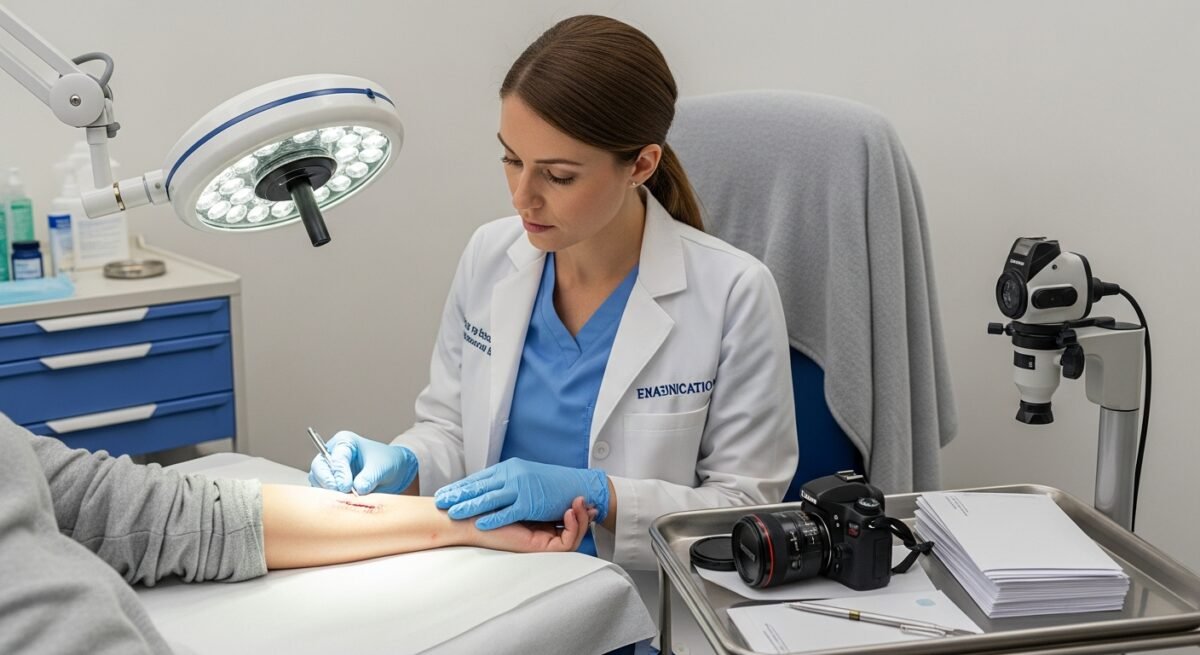
A second, non-negotiable pillar is robust clinical and practical immersion. Theoretical knowledge alone is insufficient for the high-stakes reality of forensic nursing. Superior programs provide extensive, supervised clinical practicums in settings such as hospital-based forensic programs, domestic violence shelters, correctional facilities, and death investigation units. This hands-on experience is where students learn to perform sensitive examinations, document injuries with forensic precision, and navigate the complex emotional landscape with patients. The quality and diversity of these clinical placements are often the clearest differentiators between adequate and outstanding educational pathways.
The third pillar is interdisciplinary integration. Forensic nurses do not work in a vacuum, they are key members of a larger system. Therefore, top-tier education actively incorporates perspectives from law enforcement, legal professionals, social workers, and mental health experts. This might involve simulated exercises with police, mock trials where students are cross-examined, or collaborative case studies with advocacy organizations. This interdisciplinary approach breaks down silos and prepares nurses for the real-world collaboration essential for effective victim support and successful judicial outcomes.
Critical Components of a Superior Learning Experience
Beyond the structural pillars, the day-to-day learning experience must embody specific components that foster expertise and resilience. The hallmark of an outstanding program is instruction by faculty who are actively engaged in forensic nursing practice. These educators bring current, real-world challenges into the classroom, offering insights no textbook can provide. Their mentorship is invaluable in shaping the next generation of practitioners.
Furthermore, the pedagogical approach must be as specialized as the subject matter. Learning methodologies should include:
- High-Fidelity Simulation: Using advanced manikins and standardized patients to simulate complex assault or trauma scenarios in a controlled, psychologically safe environment where skills can be honed without risk to actual patients.
- Case-Based Learning: Deconstructing real anonymized cases to teach critical thinking, clinical decision-making, and the nuances of navigating healthcare and legal protocols simultaneously.
- Vicarious Trauma Training: Proactively teaching students about compassion fatigue, burnout, and vicarious trauma, while providing them with concrete, evidence-based self-care and resilience strategies. This is not an elective topic, it is a core competency for career sustainability.
- Ethical Dilemma Workshops: Facilitating discussions on complex ethical conflicts, such as balancing patient wishes with subpoena demands or managing care when a patient is also a perpetrator.
These components ensure that graduates are not merely knowledgeable, but are also adaptable, ethically grounded, and professionally durable. This comprehensive approach to developing both clinical skill and personal fortitude is what sets apart the best programs, a principle explored in depth for general nursing in our resource on transforming nursing education for outstanding student learning.
Evaluating and Choosing the Right Program for Your Career
For aspiring forensic nurses, identifying a program that delivers on the promise of outstanding education requires diligent evaluation. Prospective students must look beyond marketing materials and scrutinize several key factors. Accreditation is the first checkpoint, programs should be accredited by recognized bodies such as the Commission on Collegiate Nursing Education (CCNE) or the Accreditation Commission for Education in Nursing (ACEN), with specific forensic components often endorsed by the Forensic Nursing Certification Board (FNCB).
The curriculum itself should be transparent and comprehensive. Look for detailed course descriptions that cover the core forensic domains: sexual assault examination, intimate partner violence, pediatric abuse, elder maltreatment, death investigation, and legal nurse consulting. The program should clearly outline the required clinical hours and describe the process for securing diverse and meaningful placements. It is entirely appropriate to ask programs for data on where their students complete practicums and what percentage secure forensic nursing roles upon graduation.
Finally, assess the program’s culture and support systems. Reach out to current students and alumni to hear about their experiences. Inquire about student support services, access to faculty, and opportunities for networking within the forensic field. A program that fosters a supportive community and actively connects students to professional organizations like the International Association of Forensic Nurses (IAFN) is investing in your long-term career network, not just your immediate education.
The Impact on Practice, Patients, and the Justice System
The ultimate test of any educational program is the quality of its graduates and their impact on the world. Nurses who emerge from outstanding forensic nursing education programs are transformative agents. Their meticulous evidence collection increases the likelihood of successful prosecution and conviction, while their trauma-informed approach helps restore a sense of control and dignity to survivors, which is itself a critical component of healing. This dual focus improves outcomes across both the healthcare and legal spectrums.
These highly educated nurses also become leaders and innovators. They often drive policy changes within their institutions, advocate for the establishment of new forensic programs in underserved areas, and contribute to research that advances the entire field. They serve as expert witnesses who can communicate complex medical facts clearly to juries, and as educators for law enforcement and other first responders on the dynamics of trauma. In essence, they elevate the standard of care for victims of violence everywhere they practice. The investment in a rigorous, comprehensive education pays dividends not just for the individual nurse, but for community health and safety at large.
Choosing a path in forensic nursing is a commitment to a demanding yet profoundly rewarding career. The foundation upon which this career is built, the education, must be selected with care. By seeking out programs that exemplify the pillars of academic rigor, clinical excellence, and interdisciplinary integration, and that provide a learning experience rich in practical simulation and ethical preparation, aspiring nurses position themselves to become exceptional practitioners. They become the competent, compassionate, and resilient professionals that survivors deserve and the justice system relies upon, truly embodying the highest standards of the vocation.