
What Defines an Outstanding Faculty of Nursing Studies?
An outstanding faculty of nursing studies transforms students through expert mentorship, shaping clinical competence and professional resilience for a successful career.

By Benjamin Clarke
Choosing the right nursing school is one of the most critical decisions a future healthcare professional will make. While facilities, technology, and program accreditation are important, the true heart of any exceptional nursing program is its faculty. An outstanding faculty of nursing studies is the single most influential factor in shaping competent, compassionate, and resilient nurses. These educators do more than deliver a curriculum, they mentor the next generation of caregivers, bridge the gap between theoretical knowledge and clinical practice, and instill the professional values that define quality patient care. For students evaluating programs, understanding the hallmarks of a superior nursing faculty is essential for investing in an education that will sustain a lifelong career.
The Core Pillars of an Exceptional Nursing Faculty
An outstanding faculty is not defined by a single attribute but by a powerful combination of expertise, pedagogy, and character. These educators form the foundational pillars that support student success and, ultimately, patient outcomes. The first and most visible pillar is clinical and scholarly expertise. Faculty members must be active practitioners or recent veterans of the nursing field, bringing real-world experience from diverse settings like emergency rooms, pediatric wards, community health centers, and intensive care units. This firsthand knowledge allows them to teach beyond the textbook, using current case studies and evolving best practices. Furthermore, a commitment to scholarly activity, such as publishing research, contributing to nursing journals, or presenting at conferences, indicates a faculty engaged in advancing the profession itself.
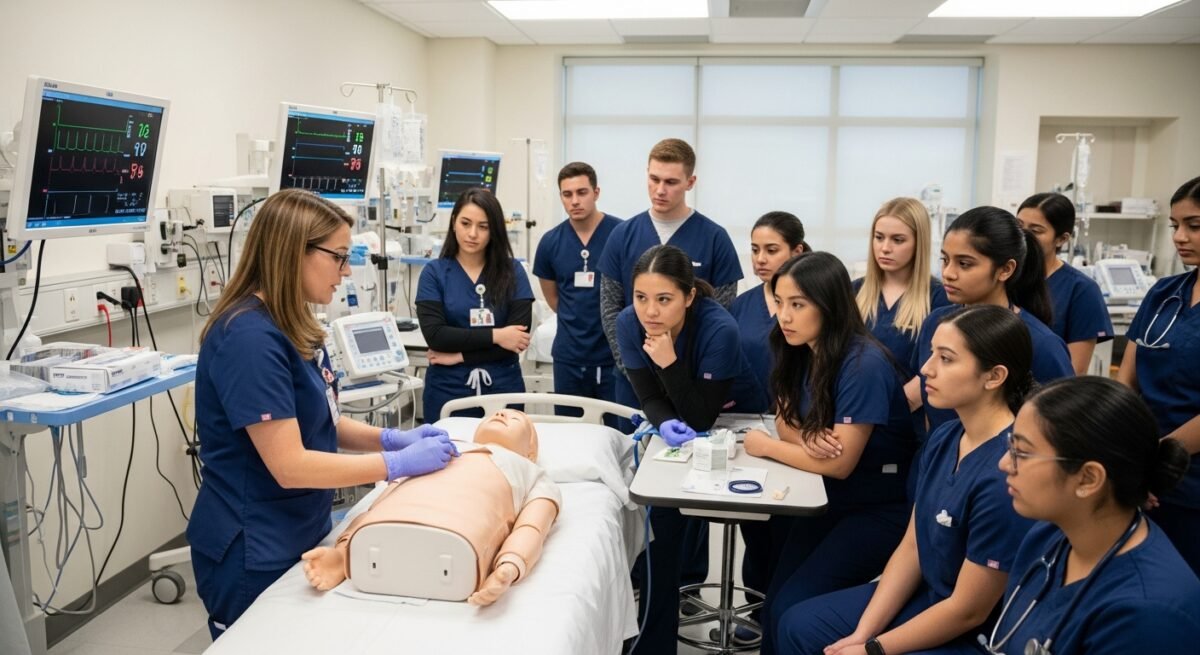
The second pillar is pedagogical excellence and a student-centered approach. Mastery of a subject does not automatically translate to the ability to teach it effectively. Outstanding nursing educators employ varied teaching methodologies to cater to different learning styles. They skillfully use simulation labs, interactive case discussions, and reflective practice exercises. More importantly, they create an environment where students feel safe to ask questions, make mistakes in a controlled setting, and develop critical thinking skills. This requires approachability, patience, and a genuine investment in each student’s growth.
The third pillar is professional mentorship and role modeling. Nursing is as much an art as it is a science, involving empathy, ethical decision-making, and professional comportment. Faculty members serve as the primary role models for these soft skills. Students observe how their instructors communicate with patients (or simulated patients), collaborate with interdisciplinary teams, and navigate complex ethical dilemmas. A faculty that demonstrates integrity, compassion, and resilience under pressure teaches these invaluable lessons by example, shaping not just skilled technicians, but holistic caregivers.
How Faculty Excellence Directly Impacts Student Outcomes
The influence of a top-tier nursing faculty extends far beyond the classroom walls, creating a direct and measurable impact on student success. The most tangible metric is first-time pass rates on the NCLEX-RN licensure exam. A faculty adept at translating complex material and emphasizing critical test-taking strategies directly prepares students for this crucial hurdle. However, the impact runs deeper. Students taught by experienced clinicians enter their first nursing positions with greater confidence and clinical judgment. They are better prepared to assess patients, prioritize care, and respond to emergencies because their education was rooted in practical application guided by experts.
Furthermore, outstanding faculty often cultivate strong connections with local and regional healthcare networks. These relationships are invaluable for securing high-quality clinical placements for students. Instead of random assignments, students gain experience in prestigious hospitals, specialized clinics, and innovative community programs, often under the direct supervision of preceptors known and trusted by the faculty. This access to superior clinical training is a direct benefit of a well-regarded and connected faculty. The mentorship provided also plays a long-term role in career trajectory. Faculty advisors can guide students toward specialized nursing fields, recommend them for competitive internships or graduate programs, and provide references that carry significant weight in the job market.
Identifying a Superior Nursing Faculty During Your Search
Prospective students must move beyond brochure claims and actively investigate the quality of a program’s faculty. Start with the program’s website. Examine faculty biographies for details on their clinical backgrounds, current certifications, research interests, and educational credentials. Look for a blend of practical experience and academic achievement. Next, if possible, attend open houses or schedule meetings with admissions counselors. Prepare specific questions that go beyond generalities. Inquire about faculty turnover rates, a low rate often indicates a supportive work environment and stable mentorship for students. Ask how faculty integrate current clinical experiences into their teaching.
Speaking directly with current students and recent alumni is perhaps the most revealing strategy. They can provide candid insights into the teaching styles, accessibility, and supportiveness of the faculty. Ask about the faculty’s responsiveness to questions, their availability outside of class, and their role during clinical rotations. Another key indicator is faculty involvement in student and professional organizations. A faculty that sponsors student nursing associations, attends conferences with students, or leads community health initiatives demonstrates a level of engagement that enriches the educational experience. To systematically evaluate a program, consider these key indicators of faculty quality:
- Credential Diversity: A mix of terminal degrees (Ph.D., DNP) and advanced clinical certifications (CCRN, FNP-BC).
- Clinical Activity: Evidence that faculty maintain active practice or clinical consulting roles.
- Student-Faculty Ratios: Especially in clinical and lab settings, lower ratios allow for personalized instruction.
- Pedagogical Awards: Recognition for teaching excellence at the university or state/national level.
- Curriculum Leadership: Faculty involvement in designing and updating the program curriculum to meet industry standards.
When you visit a campus or speak with representatives, listen for stories. Does the conversation highlight specific faculty members and their projects or mentorship? An environment where faculty achievements and student-faculty collaborations are celebrated is often a sign of a vibrant and outstanding academic community.
The Role of Faculty in Curriculum Development and Innovation
An often-overlooked aspect of faculty excellence is their role as architects of the learning experience. A dynamic, outstanding faculty does not simply deliver a static curriculum, they actively design, assess, and refine it. This involves aligning course outcomes with the latest competencies set by bodies like the American Association of Colleges of Nursing (AACN) and the needs of modern healthcare employers. Faculty engaged in curriculum development ensure that content remains relevant, incorporating emerging topics such as telehealth proficiency, health informatics, population health management, and advanced evidence-based practice protocols.
This innovative drive frequently manifests in the adoption of cutting-edge educational technology. Forward-thinking faculty lead the integration of high-fidelity patient simulators, virtual reality clinical scenarios, and advanced electronic health record training platforms into the curriculum. They understand that mastering these tools is essential for contemporary practice. Furthermore, a proactive faculty advocates for and designs interprofessional education (IPE) experiences, where nursing students collaborate with those in medicine, pharmacy, social work, and physical therapy. This mirrors real-world healthcare teamwork and is a critical component of modern education, directly attributable to faculty who are committed to comprehensive student preparation.
Frequently Asked Questions
Q: Is it better to have faculty with Ph.D.s or those with active nursing licenses?
A>The ideal faculty possesses both, but the balance is key. A strong program will have a mix. Ph.D.-prepared faculty are essential for research methodology, theory, and guiding graduate students. Clinically active faculty (with MSN, DNP, or similar advanced practice degrees) provide vital, current practical knowledge. The best faculty often maintain an active license and engage in clinical work or consulting, even if they hold a doctorate.
Q: How can I tell if the faculty are good mentors from just a website?
A>Look for clues beyond credentials. Do biographies mention mentoring awards, leadership of student clubs, or specific student projects they’ve supervised? Some programs feature “spotlight” stories on student-faculty research collaborations or community service projects. These are strong indicators of a mentoring culture. Directly asking admissions for examples of faculty mentorship during your inquiry is also recommended.
Q: Does a smaller program always mean better faculty access?
A>Generally, yes. Smaller student cohorts typically lead to lower student-to-faculty ratios, particularly in clinical and simulation settings. This allows for more direct observation, feedback, and personalized guidance. However, a large, well-resourced program can also provide excellent access if it intentionally structures its labs and clinical groups to be small and well-supported by adjunct clinical instructors and teaching assistants.
Q: Why is faculty research important for an undergraduate nursing student?
A>Faculty engaged in research create a culture of inquiry and evidence-based practice. They bring the latest scientific findings directly into the classroom, ensuring you learn current, not outdated, care standards. Research-active faculty may also offer unique opportunities for motivated undergraduates to assist on projects, strengthening resumes for competitive graduate programs or specialized jobs.
Q: What questions should I ask a current student about the faculty?
A>Ask specific, behavioral questions: “Can you describe a time a faculty member went out of their way to help you understand a difficult concept?” “How available are they for questions outside of class?” “Do they provide constructive feedback on clinical performance?” “Do you feel they prepare you well for the realities of the job?” The answers will reveal the practical, day-to-day impact of the faculty.
Ultimately, the defining characteristic of an outstanding faculty of nursing studies is its unwavering commitment to student transformation. These educators measure their success not by lectures given, but by the competent, caring professionals who graduate and enter the field. They understand that their influence echoes through every patient interaction their students will ever have. For the aspiring nurse, prioritizing the search for such a faculty is the first, and perhaps most profound, professional decision they will make. It is an investment in an education that provides not just knowledge and skill, but the wisdom and support to use them effectively throughout a demanding and rewarding career.