
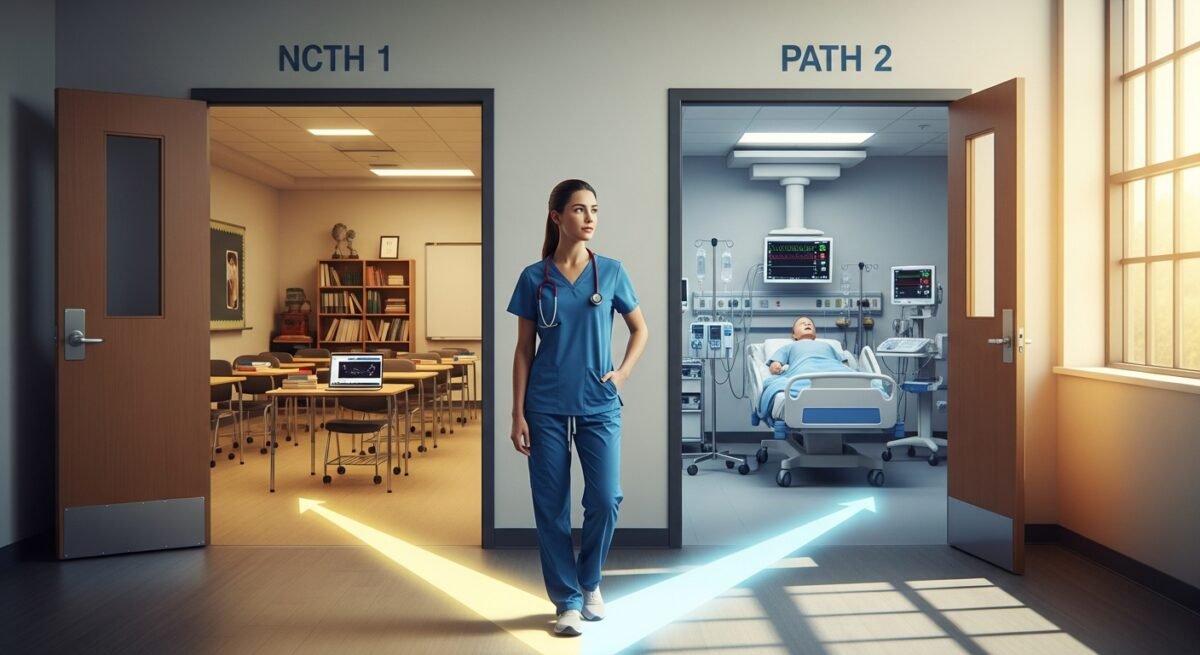
Your Path to Nursing: Choosing the Best Prelicensure Program
A leading nursing program provides high NCLEX pass rates, robust clinical partnerships, and holistic student support. It builds skills in technology, cultural competency, and evidence-based practice for a successful career.

By Emily Foster
For aspiring nurses, the decision of where to begin your education is one of the most critical steps in your journey. It sets the foundation for your clinical skills, professional network, and future career trajectory. With an overwhelming number of nursing schools and pathways available, identifying the right prelicensure program can feel daunting. The ideal program is more than just a curriculum; it’s a launchpad that prepares you to excel on the NCLEX exam, thrive in high-pressure clinical environments, and build a resilient, compassionate nursing career. This guide will help you navigate the key elements that distinguish an exceptional, leading program for aspiring nurses from the rest, ensuring your investment in education yields the professional outcomes you envision.
The landscape of nursing education is diverse, offering several primary pathways to become a Registered Nurse (RN). The most common are the Associate Degree in Nursing (ADN), typically a two-year program offered at community colleges, and the Bachelor of Science in Nursing (BSN), a four-year degree from a university. There are also accelerated BSN programs for those who already hold a bachelor’s degree in another field. While all pathways can lead to RN licensure, the industry is increasingly moving toward the BSN as the preferred educational standard, driven by research linking higher education levels to improved patient outcomes. A leading program will not only prepare you for the NCLEX but will also align with the future of the profession, offering a robust curriculum that includes leadership, community health, and evidence-based practice—cornerstones of the BSN degree.
Hallmarks of a Top-Tier Nursing Program
Distinguishing a superior nursing program requires looking beyond glossy brochures and rankings. Several concrete factors directly impact the quality of your education and your readiness for the field. First and foremost is the program’s accreditation. Ensure the program is accredited by either the Commission on Collegiate Nursing Education (CCNE) or the Accreditation Commission for Education in Nursing (ACEN). This is non-negotiable, as it validates that the program meets rigorous national standards and is essential for federal financial aid, smooth transfer of credits, and eligibility for graduate studies later. Next, investigate the program’s NCLEX-RN first-time pass rates, which are publicly available. Consistently high pass rates (well above the national average) are a strong indicator of effective curriculum delivery and comprehensive student preparation.
Equally important is the quality and availability of clinical placements. A leading program for aspiring nurses will have established partnerships with a variety of healthcare settings—hospitals, community clinics, long-term care facilities, and specialty units. These partnerships provide students with diverse, hands-on experiences under the guidance of skilled preceptors. Ask about the student-to-faculty ratio in both classroom and clinical settings; lower ratios mean more personalized instruction and mentorship. Finally, examine the credentials and experience of the faculty. Instructors who maintain an active clinical practice or research agenda bring current, real-world insights into the classroom, enriching the learning experience far beyond textbooks.
The Curriculum: Building Competence and Confidence
The core of any nursing program is its curriculum. An exceptional curriculum is integrative, blending hard sciences with the art of compassionate care. It should progress logically from foundational concepts to complex clinical reasoning. Look for a program that emphasizes simulation lab experiences from the very beginning. High-fidelity manikins and simulated patient scenarios allow you to practice skills, make decisions, and manage emergencies in a risk-free environment, building muscle memory and critical thinking before you ever touch a real patient.
A forward-thinking curriculum also embeds essential, yet sometimes overlooked, competencies. These include:
- Health Informatics and Technology: Proficiency with Electronic Health Records (EHRs) and telehealth platforms is now a fundamental nursing skill.
- Cultural Competency and Health Equity: Training to provide effective, respectful care to patients from diverse backgrounds and address social determinants of health.
- Leadership and Communication: Courses that develop skills in patient advocacy, interprofessional collaboration, and conflict resolution.
- Evidence-Based Practice (EBP): The ability to locate, appraise, and apply current research to improve patient care outcomes.
- Mental Health Fundamentals: Integrated mental health training across all patient care contexts, not just in a dedicated psychiatric rotation.
A program that successfully weaves these threads throughout its coursework is preparing you for the realities of modern healthcare, making you a versatile and highly employable graduate.
Beyond the Classroom: Support Systems for Success
Nursing school is academically rigorous and emotionally demanding. The attrition rate in some programs can be significant, often due to a lack of adequate support. Therefore, the student support infrastructure is a critical differentiator for a leading nursing program. This encompasses proactive academic advising, dedicated tutoring or success centers for challenging subjects like pathophysiology or pharmacology, and comprehensive test-taking strategies for the NCLEX. Many top programs now employ dedicated student success coordinators who track student progress and intervene at the first sign of struggle.
Perhaps most vital is the availability of robust mental health and wellness resources. The stress of balancing intense coursework, clinical hours, and personal life is immense. Programs that normalize and provide access to counseling, stress management workshops, peer mentoring groups, and resilience training demonstrate a commitment to developing not just skilled nurses, but healthy, sustainable professionals. Furthermore, investigate the strength of the program’s career services. Do they host job fairs with major healthcare systems? Do they offer resume workshops and mock interviews specifically for nursing roles? This level of support bridges the gap between graduation and your first nursing position.
Evaluating Your Personal Fit and Logistics
Even a nationally top-ranked program may not be the right fit for you personally. Practical considerations are paramount. For many aspiring nurses, cost and flexibility are deciding factors. Carefully calculate the total cost of the program, including tuition, fees, books, uniforms, and supplies. Explore the program’s financial aid offerings, scholarship opportunities specifically for nursing students, and partnerships with hospitals that offer tuition reimbursement in exchange for a work commitment post-graduation.
The program’s format and schedule must align with your life. If you need to work while attending school, does the program offer part-time, evening, or weekend options? For those considering an online nursing program for prerequisite or RN-to-BSN courses, verify how clinical hours are handled—reputable online programs will coordinate local clinical placements for you, not leave you to find them on your own. Finally, trust your instincts during campus visits or virtual open houses. Do the students seem engaged and supported? Do the faculty appear passionate and accessible? The culture of the program—whether it feels collaborative or cutthroat—will significantly influence your daily experience and ultimate success.
Taking the Next Steps Toward Enrollment
Once you have identified a shortlist of potential leading programs for aspiring nurses, the work shifts to preparation and application. This process is itself a test of your organizational skills and dedication. Start early, as nursing program deadlines can be many months before the start date. Meticulously review all prerequisite courses; many programs require specific grades in classes like anatomy, physiology, microbiology, and statistics, often within a recent timeframe. You may need to budget time and money to complete these before applying.
Your application is your chance to tell your story beyond grades and test scores. A compelling personal statement should articulate your genuine motivation for becoming a nurse, any relevant life or work experiences, and your understanding of the profession’s challenges and rewards. Strong letters of recommendation from academic instructors or healthcare supervisors who can speak to your work ethic, character, and potential are invaluable. Some programs also require an interview, which is an opportunity to demonstrate your communication skills, professionalism, and critical thinking. Treat every interaction with the admissions office as part of the evaluation process.
Choosing the right prelicensure program is a profound investment in your future. By prioritizing accredited programs with high NCLEX pass rates, a modern and comprehensive curriculum, strong clinical partnerships, and holistic student support, you position yourself for not just passing the licensure exam, but for a fulfilling and impactful career. The leading program for you is the one that aligns with your goals, learning style, and life circumstances while equipping you with the knowledge, skills, and resilience to provide exceptional patient care from day one. Your journey begins with this informed choice.