
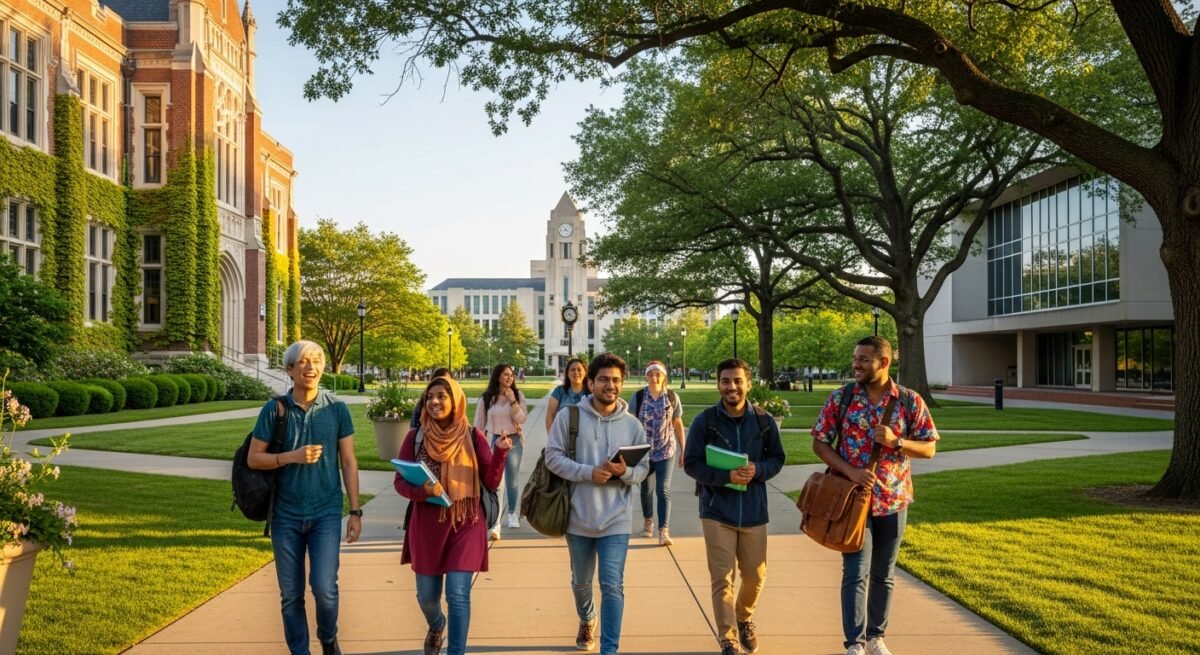
Finding Colleges With Strong Campus Life and Community
Discover how a vibrant campus community boosts academic success and personal growth. Learn to identify colleges with strong campus life that fit your personality.

By Giovanna Rivera
Choosing a college is about more than just academics and rankings. For many students, the experience outside the classroom is equally transformative. A vibrant campus life, rich with traditions, activities, and a palpable sense of community, can be the defining factor in personal growth, lifelong friendships, and overall satisfaction. This intangible energy, often felt during a campus visit, is what separates a good school from a great college experience. While academic rigor is paramount, the environment that supports your learning and living is crucial. This guide explores the essential elements that create colleges with strong campus life and how to identify them, ensuring your university years are as enriching socially as they are intellectually.
What Defines a Strong Campus Life?
A strong campus life is not a single feature but a complex ecosystem where students feel connected, engaged, and supported. It’s the difference between simply attending classes and being an active member of a living, breathing community. This environment fosters a sense of belonging that can significantly impact mental well-being, academic persistence, and career readiness through soft skill development. The core components are often interwoven, creating a cohesive student experience.
First, a thriving residential experience is foundational. This goes beyond dorm rooms as mere sleeping quarters. It includes living-learning communities where students with shared academic interests or identities live together, themed housing, and residential advisors who program meaningful events. Second, student engagement is critical. This is measured by high participation rates in clubs, organizations, intramural sports, and student government. A campus where the student center is a bustling hub, not a quiet building, is a positive indicator. Third, shared traditions and school spirit create a unifying identity. From historic rivalries and homecoming rituals to quirky, unique traditions, these events build camaraderie and pride. Finally, the physical campus itself plays a role. Walkable quads, inviting green spaces, modern recreational facilities, and accessible dining and social venues all encourage spontaneous interaction and community building.
Key Elements to Look For During Your Search
When researching potential schools, move beyond the brochure and dig into the specifics that signal a dynamic campus environment. Your goal is to assess whether the college cultivates opportunities for connection in alignment with your interests and personality.
Start by investigating the ratio of students who live on campus. A high percentage of residential students, especially beyond the freshman year, typically indicates a more active, involved campus community on nights and weekends. Next, scrutinize the breadth and depth of student organizations. A robust list of clubs, from academic and professional groups to cultural associations and special interest clubs (like quidditch or anime), shows there are avenues for almost every student to find their niche. Pay close attention to Greek life, if present. Understand its size and influence; on some campuses, it dominates social life, while on others, it’s one of many options.
Furthermore, examine the campus infrastructure dedicated to student life. Look for a well-funded student activities office, a modern campus union, recreational centers with diverse offerings, and arts venues like theaters and galleries. These are the stages where campus life unfolds. For more detailed strategies on aligning these lifestyle factors with your academic goals, seeking professional college degree guidance can provide a structured approach to your search.
Asking the Right Questions on Tours and to Current Students
The best intelligence comes directly from the source. During campus visits or virtual sessions, move beyond scripted questions. Ask your tour guide or students you meet: “What do you do on a typical Friday night?” “How would you describe the campus community in three words?” “What’s a tradition you love that wasn’t in the brochure?” Inquire about how easy it is to start a new club if one doesn’t exist. Ask about the relationship between students and the local town or city. Is the campus a bubble, or is there easy integration? The answers to these questions will paint a more authentic picture than any statistic.
Examples of Colleges Renowned for Vibrant Campus Cultures
While strong campus life exists at institutions of all sizes and types, some are frequently highlighted for their exceptional community spirit and student engagement. It’s important to remember that “strong” is subjective; a vibrant culture at a large state university will feel different from that at a small liberal arts college. The key is finding the culture that fits you.
Large public universities often boast campus life defined by monumental school spirit, especially around Division I athletics. Game days can transform the entire town into a sea of school colors, creating an unforgettable sense of collective identity. These schools also tend to have an immense array of student organizations, ensuring micro-communities for every interest. Conversely, small liberal arts colleges often foster campus life through tight-knit residential communities and high levels of student-faculty interaction outside of class. Traditions may be more intimate and quirky, and participation rates in campus events are often very high due to the smaller student body.
Some institutions are famous for specific aspects of their culture. For example, certain colleges have unique long-standing traditions that every student participates in, creating a powerful shared narrative. Others are known for their honor codes or student-run governance, which fosters a high level of trust and responsibility within the community. When researching, look for schools where the described culture aligns with your values. A party school’s vibrant social scene might be overwhelming for some, while another’s focus on cooperative living and sustainability might be a perfect fit.
The Impact of Campus Life on Academic and Career Success
The benefits of a strong campus life extend far beyond social enjoyment. Engagement in campus activities is strongly correlated with higher retention and graduation rates. When students feel connected to their institution and peers, they are more likely to persist through academic challenges. This sense of belonging is a critical protective factor against loneliness and stress, which are significant hurdles in higher education.
Moreover, involvement in clubs, organizations, and leadership roles provides invaluable practical experience. Managing a club budget, organizing a campus-wide event, collaborating with a team on a project, or mediating group conflicts are all real-world skills that employers seek. These experiences allow you to apply classroom theory in practical settings and build a resume long before graduation. The network you build through campus life, your peers, is also your first professional network. These relationships can lead to job referrals, partnerships, and support throughout your career. In essence, the soft skills and networks developed through a vibrant campus life are a crucial complement to your academic major, creating a well-rounded graduate profile.
Balancing Social Opportunities With Academic Priorities
For prospective students and parents, a common concern is that a “strong campus life” might equate to a distraction from academics. The reality is that a well-structured, supportive campus environment enhances academic focus by providing necessary balance, stress relief, and support systems. The key is integration, not competition.
Successful students learn to navigate and integrate their social and academic worlds. This might mean joining an academic club related to your major, where socializing and professional development merge. It could involve forming study groups with friends from your dorm or club. Many campuses with strong cultures also have strong academic support systems embedded within the social fabric, like tutoring centers in the library or peer-led study sessions for difficult courses. The discipline learned from managing your time between a club rehearsal, a group project meeting, and your study schedule is itself a critical life skill. A vibrant campus offers the opportunities, and the student develops the agency to choose a healthy, productive balance that fuels both personal happiness and academic achievement.
Frequently Asked Questions
Can a college have strong academics and a strong campus life?
Absolutely. In fact, the two often go hand-in-hand. A stimulating intellectual environment frequently extends beyond the classroom into dorm discussions, club debates, and campus lectures. Many top-tier academic institutions are also renowned for their deep traditions, spirited campus events, and high levels of student engagement. The best colleges understand that holistic student development requires both rigor and community.
How can I assess campus life if I can’t visit in person?
Utilize virtual tours, but go beyond them. Follow the college and its student life office on social media platforms like Instagram or TikTok to see candid, student-posted content. Browse the official list of student organizations online. Watch videos of campus events like homecoming or cultural festivals. Many colleges also offer virtual student panels or chat functions where you can ask current students questions directly.
Is campus life less important for students who plan to live off-campus?
While living on-campus often provides the easiest pathway to immersion, a strong campus life actively includes commuter and off-campus students. Look for colleges with dedicated commuter student associations, lockers or lounges for off-campus students, and scheduling of major events at times accessible to all. A truly inclusive campus culture works to integrate every student into the community.
Do colleges with strong campus life tend to be more expensive?
Not necessarily. The funding for student activities and facilities comes from student activity fees and institutional budgets, which vary widely. Many public universities, which often have lower tuition, are famous for their vibrant, spirit-filled campus cultures. When evaluating cost, consider the value of the included experience and the potential return on investment in terms of your personal development and network.
How important are sports to a strong campus life?
Sports can be a major unifying force, but they are not the only path to school spirit. At some colleges, athletics are the central social event. At others, the energy might coalesce around arts performances, debate tournaments, massive community service projects, or unique academic competitions. Gauge what the student body collectively gets excited about to see if it resonates with you.
Ultimately, identifying colleges with strong campus life is a deeply personal part of the search process. It requires introspection about what kind of community will help you thrive. By prioritizing this aspect alongside academic programs, you invest in your entire college experience. The relationships you form, the skills you gain outside the classroom, and the memories you create within a supportive community will shape not only your years on campus but also the person you become. Your college should be a place that challenges your mind and nurtures your spirit, a home that prepares you for the world while providing an unforgettable journey along the way.