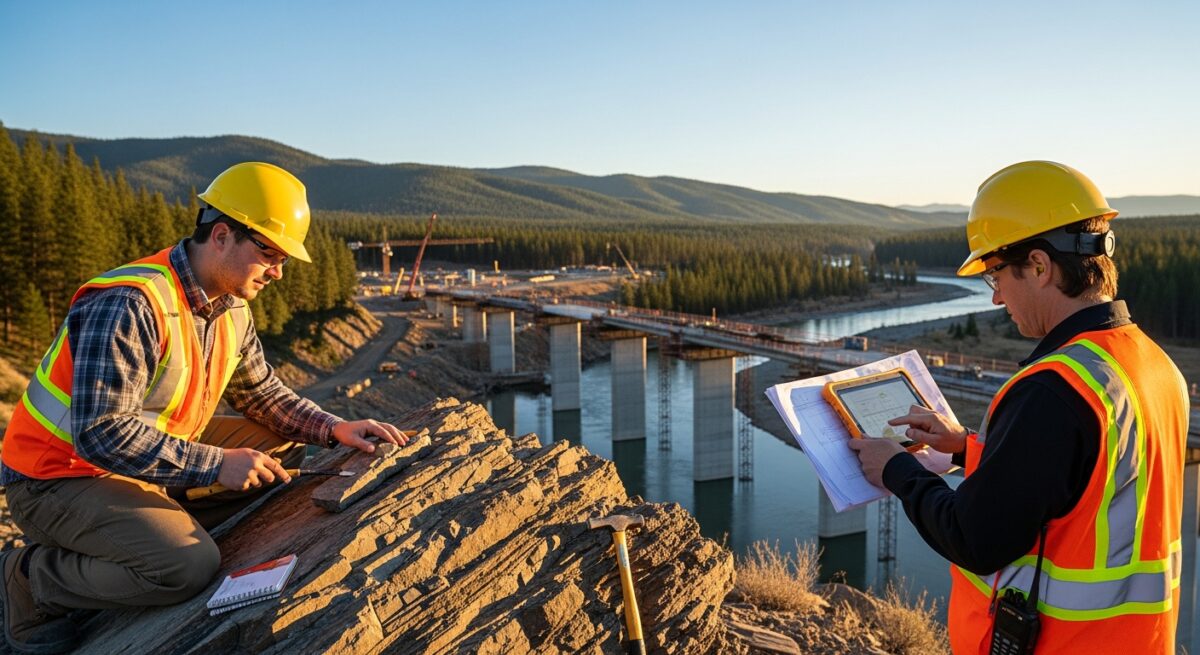
Many people dream of leaving the cubicle behind and working under the open sky. The good news is that this dream does not have to come with a pay cut. A growing number of professions combine substantial income with time spent outdoors, from managing forests to inspecting remote infrastructure. For those willing to invest in the right education, the path to a lucrative outdoor career is clearer than ever. This article explores the most rewarding options for high paying outdoor jobs and degrees that lead to them, helping you align your passion for nature with a stable financial future.
The key to landing these roles lies in choosing a degree that provides specialized, in-demand skills. While a general degree can open doors, technical expertise in fields like engineering, environmental science, or construction management often leads to the highest salaries. Below, we break down the top degree paths, the jobs they unlock, and the earning potential you can expect. Whether you are a high school student planning your future or a professional seeking a career change, understanding the connection between education and outdoor income is your first step.
Why Outdoor Careers Pay Well
The assumption that outdoor jobs are low-paying is outdated. Many of the highest-paying outdoor roles require significant technical knowledge, safety certifications, and the ability to work in challenging conditions. Employers offer competitive compensation to attract and retain talent for positions that demand both physical endurance and mental acuity. For instance, petroleum engineers often work on remote drilling sites, while geoscientists spend weeks in the field collecting data. These jobs pay a premium because they combine specialized education with the discomforts of outdoor labor.
Additionally, industries such as renewable energy, environmental consulting, and telecommunications infrastructure are expanding rapidly. As companies build wind farms, install fiber optic lines, and restore ecosystems, the demand for skilled outdoor workers continues to rise. This growth drives up wages and creates opportunities for advancement. The following sections detail specific degrees and the high-paying outdoor careers they support.
Top Degrees for High Paying Outdoor Jobs
Choosing the right degree is the most critical decision you will make when pursuing an outdoor career. The following programs are consistently linked to high salaries and strong job growth. Each degree offers a unique combination of classroom theory and hands-on fieldwork.
1. Petroleum Engineering
Petroleum engineering consistently ranks among the highest-paying college majors. Graduates work in oil and gas extraction, often spending significant time on offshore rigs or remote drilling sites. The work involves designing equipment, monitoring extraction processes, and ensuring safety compliance. According to the Bureau of Labor Statistics, the median annual wage for petroleum engineers exceeds $130,000. While the job can be physically demanding and requires travel, the financial rewards are substantial. A degree in petroleum engineering is a direct route to one of the most lucrative high paying outdoor jobs available.
Students in this field study geology, thermodynamics, and fluid mechanics. Internships with energy companies are common and often lead to full-time offers. Because the industry is cyclical, job stability can vary, but skilled engineers remain in high demand. For those who enjoy problem-solving and do not mind working in remote locations, this degree offers an exceptional return on investment.
2. Environmental Engineering
Environmental engineers apply scientific principles to protect the environment and human health. They design water treatment systems, manage waste disposal, and remediate contaminated sites. Much of their work takes place outdoors at construction sites, landfills, or natural habitats. The median salary for environmental engineers is around $96,000 per year, with top earners making over $130,000. This field appeals to those who want a meaningful career that combines technical skill with environmental stewardship.
The curriculum includes chemistry, biology, hydrology, and civil engineering fundamentals. Many programs offer concentrations in water resources, air quality, or renewable energy. Graduates find work with government agencies, consulting firms, and private corporations. As regulations around pollution and climate change tighten, the demand for environmental engineers is expected to grow steadily.
3. Geoscience
Geoscientists study the Earth’s physical structure and history. They search for natural resources, assess geological hazards, and advise on construction projects. Fieldwork is a core component of the job, with geoscientists spending weeks or months collecting samples, mapping terrain, and operating monitoring equipment. The median annual wage for geoscientists is approximately $93,000. Those working in oil and gas extraction can earn significantly more.
A degree in geoscience or geology covers mineralogy, petrology, geophysics, and geographic information systems (GIS). Advanced degrees often lead to higher salaries and more specialized roles. Geoscientists are employed by mining companies, environmental firms, and government agencies. The blend of office analysis and outdoor exploration makes this an ideal choice for those who enjoy variety in their workday.
4. Construction Management
Construction managers oversee building projects from start to finish. They coordinate crews, manage budgets, and ensure safety compliance. While some time is spent in a site trailer, the majority of the day is spent walking the job site, inspecting work, and solving problems on the ground. The median salary for construction managers exceeds $98,000, with top earners in large commercial projects making over $160,000.
Degree programs in construction management cover project planning, cost estimation, building codes, and contract law. Many programs require internships that provide real-world experience. This career is ideal for individuals who are organized, detail-oriented, and comfortable leading teams. The construction industry offers strong job security, as infrastructure and housing demand remains constant.
5. Wildlife Biology and Conservation Science
Wildlife biologists study animal populations, habitats, and ecosystems. They conduct field research, track species, and develop conservation plans. While salaries in this field can vary widely, experienced biologists with advanced degrees can earn between $70,000 and $100,000 per year. Federal agencies such as the U.S. Fish and Wildlife Service and the National Park Service are major employers.
A degree in wildlife biology, ecology, or conservation science includes coursework in biology, statistics, and environmental policy. Fieldwork is extensive, often involving travel to remote areas. This career is best suited for those who are passionate about nature and comfortable with a variable income at the entry level. However, with experience and specialization, wildlife biologists can achieve a comfortable salary while making a tangible impact on biodiversity.
6. Surveying and Geomatics
Surveyors measure and map land boundaries, elevations, and features. Their work is essential for construction, real estate development, and mapmaking. Surveyors spend the majority of their time outdoors using GPS, drones, and laser scanning equipment. The median annual wage for surveyors is approximately $65,000, but experienced professionals specializing in hydrographic or geodetic surveying can earn over $100,000.
Degree programs in surveying or geomatics cover geodesy, cartography, land law, and remote sensing. Licensure is required in most states, which involves passing exams and accumulating work experience. This career offers a mix of outdoor activity and technical precision, making it a stable and rewarding choice.
Salary Comparison of Top Outdoor Careers
To give you a clearer picture, here is a comparison of median salaries and typical entry-level education for the degrees discussed above. These figures come from the Bureau of Labor Statistics and reflect national averages.
- Petroleum Engineer: $130,000+ (Bachelor’s degree)
- Environmental Engineer: $96,000 (Bachelor’s degree)
- Geoscientist: $93,000 (Bachelor’s degree, Master’s preferred)
- Construction Manager: $98,000 (Bachelor’s degree)
- Wildlife Biologist: $70,000 – $100,000 (Master’s degree for higher pay)
- Surveyor: $65,000 – $100,000 (Bachelor’s degree plus licensure)
These numbers demonstrate that a strong salary is achievable with the right degree and experience. It is important to note that location, industry, and years of experience significantly impact actual earnings. For example, petroleum engineers in Texas or Alaska often earn more than those in other regions.
Frequently Asked Questions
What is the highest paying outdoor job without a degree?
Some outdoor jobs offer decent pay without a four-year degree. For example, wind turbine technicians earn a median salary of around $57,000, and experienced linemen (electrical power-line installers) can earn over $80,000. However, the highest-paying outdoor roles almost always require a bachelor’s degree in a technical field.
Can I work outdoors with a business degree?
Yes, but indirectly. A business degree can lead to management roles in outdoor industries such as construction, forestry, or recreation. For instance, a park manager or a construction company owner may spend time outdoors. However, technical degrees generally provide more direct outdoor opportunities and higher starting salaries.
Are online degrees accepted for these careers?
Reputable online degrees from accredited universities are accepted by most employers. For technical fields like engineering, ensure the program is ABET-accredited. Many schools now offer hybrid programs that combine online coursework with required in-person labs or fieldwork.
If you are considering an online path, review our guide on Best High Paying Hospital Jobs and Medical Degree Options for similar insights into degree selection and accreditation standards.
Which outdoor degree has the fastest job growth?
Environmental engineering and renewable energy-related fields are experiencing rapid growth. Wind turbine technician jobs are projected to grow by 44% over the next decade, while environmental engineering jobs grow at 8% (faster than average). These fields offer both high demand and outdoor work.
How to Choose the Right Degree Path
Selecting the best degree requires honest self-assessment. Ask yourself the following questions: Do you prefer physical labor or technical analysis? Are you willing to travel or relocate? How important is job stability versus salary potential? For example, petroleum engineering offers high pay but involves boom-and-bust cycles. Environmental engineering offers steadier growth but slightly lower starting salaries.
Another critical factor is the type of outdoor environment you enjoy. Construction managers work on active job sites with noise and dust. Wildlife biologists work in forests and wetlands with insects and weather exposure. Geoscientists might work in deserts or mountains. Each environment demands different physical and mental stamina. Researching a typical day in each career can help you make an informed decision.
Finally, consider the total cost of your education. Public universities often offer lower tuition for in-state students. Scholarships and grants can reduce debt. Online programs may offer flexibility for working adults. For more resources on finding affordable degree options, explore the tools available at DegreeOnline.Education, which can help you compare programs and estimate costs.
Once you have narrowed your choices, reach out to academic advisors or professionals in the field. Informational interviews can provide real-world insights that no website can offer. Many universities also host career fairs where you can meet employers and learn about internship opportunities. Taking these steps will ensure that your degree investment leads to a fulfilling and profitable outdoor career.
High paying outdoor jobs and degrees that lead to them are within reach for motivated individuals. By choosing a technical or applied science degree, you can enjoy the benefits of fresh air, physical activity, and a strong paycheck. The key is to align your interests with market demand and commit to the educational journey. Whether you become an environmental engineer protecting natural resources or a construction manager building the next skyline, the outdoor workplace offers both freedom and financial security.