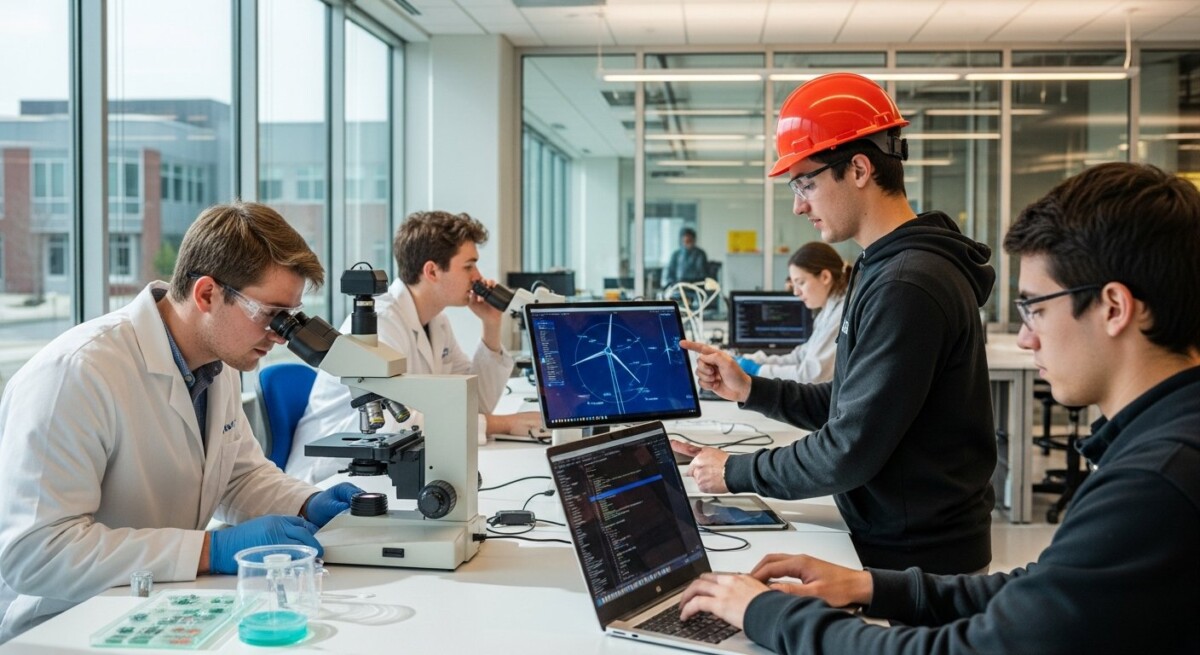
Maine’s economy is shifting, and so are the career paths that lead to stability and growth. For students and professionals seeking a reliable return on their educational investment, Maine university studies for in-demand jobs offer a direct route to high-growth fields like healthcare, renewable energy, advanced manufacturing, and information technology. From the University of Maine System to private colleges, these institutions have aligned their curricula with employer needs, creating a powerful link between classroom learning and workforce readiness. This article explores the most promising programs, the value of strategic degree selection, and how to navigate the path from enrollment to employment in Maine’s evolving job market.
Why Maine’s Higher Education Landscape Is Changing
Maine has one of the oldest populations in the nation, and its workforce faces unique challenges. Many skilled workers are retiring, leaving gaps in critical sectors. At the same time, industries like offshore wind, biotechnology, and cybersecurity are expanding rapidly. The state’s universities have responded by redesigning degree programs to meet these specific labor demands. This alignment between academic offerings and economic needs makes Maine university studies for in-demand jobs a smart choice for anyone who wants to graduate with clear career prospects.
University partnerships with employers are now common. For example, the University of Maine at Augusta works closely with healthcare networks to offer nursing and allied health programs that include clinical placements. Similarly, the University of Southern Maine collaborates with tech companies to develop data science and computer engineering tracks. These relationships ensure that students learn skills that employers actually need, reducing the gap between graduation and employment.
For those who need flexibility, many of these programs are available in online or hybrid formats. This accessibility allows working adults and rural residents to upskill without relocating. If you are exploring remote learning options, you can find additional academic program insights that compare online and on-campus pathways across different fields.
High-Growth Fields and the Programs That Lead to Them
Healthcare and Nursing
Healthcare remains the largest employer in Maine, and demand for nurses, medical technicians, and allied health professionals continues to rise. The University of Maine at Fort Kent offers an accelerated Bachelor of Science in Nursing (BSN) for students who already hold a bachelor’s degree in another field. This program can be completed in 16 months and boasts high licensure pass rates. Similarly, the University of New England provides a range of health professions degrees including physical therapy, pharmacy, and physician assistant studies. These programs combine rigorous academics with hands-on clinical rotations across the state’s hospital networks. Graduates often receive job offers before they even finish their final semester.
Renewable Energy and Environmental Science
Maine is positioning itself as a leader in offshore wind energy and sustainable forestry. The University of Maine at Orono offers a Bachelor of Science in Renewable Energy Engineering and a Master’s in Forest Resources. These programs teach students how to design wind turbines, manage sustainable timber operations, and develop bio-based materials. The state’s investment in the Maine Offshore Wind Roadmap has created direct pipelines from these academic programs to jobs at companies like Siemens Gamesa and local engineering firms. Students in these programs frequently participate in paid internships that lead to full-time positions.
Information Technology and Cybersecurity
As businesses digitize their operations, the need for IT professionals has surged. The University of Maine at Augusta’s computer information systems program includes concentrations in cybersecurity and data analytics. Students learn network defense, ethical hacking, and cloud computing. The program also offers industry certifications like CompTIA Security+ as part of the curriculum. Graduates find roles as security analysts, network administrators, and IT project managers across Maine’s growing tech sector. The state’s focus on attracting remote workers has also increased demand for local IT support.
Advanced Manufacturing and Skilled Trades
Manufacturing in Maine has evolved from traditional paper mills to advanced production of composites, electronics, and precision components. Eastern Maine Community College and Southern Maine Community College offer associate degrees in mechanical engineering technology, welding, and automation. These two-year programs are affordable and often lead to starting salaries above $50,000. Many students transfer these credits to four-year universities if they want to pursue a bachelor’s in engineering later. The hands-on nature of these programs means graduates can step directly into roles as technicians or production supervisors.
How to Choose the Right Program for Your Career Goals
Selecting a degree program requires more than just matching a job title. You need to consider program length, cost, location, and delivery format. Maine university studies for in-demand jobs vary widely in these dimensions, so a careful evaluation is essential.
Start by identifying the industries that interest you and then research which universities offer accredited programs in those fields. Use the following criteria to narrow your options:
- Accreditation: Ensure the program holds regional or specialized accreditation. This affects transfer credits, financial aid eligibility, and employer recognition.
- Internship and Co-op Opportunities: Programs with built-in work experience give you a competitive edge. Ask about placement rates and employer partners.
- Graduation and Job Placement Rates: Request official data. Programs with high completion and employment rates indicate strong student support and curriculum relevance.
- Cost and Financial Aid: Compare tuition, fees, and available scholarships. Many Maine universities offer in-state tuition for students from neighboring states through the New England Regional Student Program.
- Flexibility: If you need to work while studying, look for part-time, evening, or online options. Some programs also offer accelerated tracks for motivated students.
Once you have a shortlist, visit campuses or attend virtual open houses. Talk to current students and faculty. Ask about the types of companies that recruit from the program. This firsthand insight often reveals details that brochures and websites do not capture.
The Financial Side: Tuition, Aid, and Return on Investment
Investing in education is a significant financial decision. Maine’s public universities are among the most affordable in New England, especially for residents. The University of Maine System has frozen tuition for multiple years, making costs predictable. Additionally, the Maine State Grant Program provides need-based aid to eligible students. Many programs also offer scholarships tied to specific majors, such as the STEM Scholars program for students in science and technology fields.
When evaluating return on investment, look beyond starting salary. Consider the long-term earning potential of your chosen field and the stability of the industry. For example, a registered nurse in Maine earns a median annual wage of over $70,000, with experienced nurses earning significantly more. An associate degree in nursing from a community college costs roughly $15,000 total, meaning graduates can recoup their investment within a year of employment. This kind of math makes Maine university studies for in-demand jobs a financially sound choice.
Another important factor is the availability of employer tuition reimbursement. Many Maine hospitals, manufacturers, and tech firms offer tuition assistance to employees who pursue degrees related to their roles. If you are already working in an industry you enjoy, check with your human resources department before enrolling. This benefit can dramatically reduce your out-of-pocket costs.
Online and Hybrid Options for Working Adults
Not everyone can attend classes on a traditional campus. Maine’s universities have expanded their online and hybrid offerings to serve working adults, parents, and rural residents. The University of Maine at Augusta is a leader in this space, offering fully online degrees in business administration, information technology, and health information management. These programs use asynchronous coursework, allowing students to complete assignments on their own schedule. However, some courses do require synchronous sessions for live discussions or lab work.
Hybrid programs are also popular, especially in fields like nursing and education where hands-on practice is essential. For example, the University of Southern Maine’s RN-to-BSN program is mostly online but requires a few on-campus intensives for clinical skills validation. This model gives students flexibility while maintaining academic rigor. For those who want to explore a variety of remote learning options, our guide on online history programs universities for studies provides additional context on how distance education works across different disciplines.
Online students should also consider the support services available. Look for programs that offer virtual tutoring, career counseling, and library access. Some universities have dedicated online success coaches who help students stay on track. These resources can make the difference between dropping out and graduating.
Frequently Asked Questions
Q: What are the most in-demand jobs in Maine right now?
A: Registered nurses, software developers, wind turbine technicians, electricians, and medical laboratory scientists top the list. Demand is driven by retirements, industry growth, and state economic development initiatives.
Q: Can I complete a Maine university program entirely online?
A: Yes. Several programs, especially in business, IT, and health information management, are fully online. However, some fields like nursing require in-person clinical components. Check each program’s delivery format before applying.
Q: How long does it take to complete a degree for an in-demand job?
A: Associate degrees typically take two years, bachelor’s degrees take four years, and accelerated programs can shorten that timeline. Some nursing and IT programs offer fast-track options that take 12-18 months for students with prior college credits.
Q: Are there scholarships for students pursuing high-demand fields in Maine?
A: Yes. The Maine Community Foundation offers scholarships for healthcare and STEM students. Many universities also have department-specific awards. Check with the financial aid office at your chosen school.
Q: What if I already have a degree but want to switch careers?
A: Many Maine universities offer graduate certificates and second-degree programs designed for career changers. For example, the University of Maine School of Law offers a one-year certificate in compliance and risk management. These options are shorter than a full degree and can get you into a new field quickly.
Maine’s universities are not just educators; they are workforce partners. By choosing a program that aligns with state economic priorities, you position yourself for a career that is both stable and meaningful. As you explore your options, remember that the right degree is an investment in your future. Take advantage of campus visits, employer partnerships, and financial aid resources to make an informed decision. Whether you attend a large research university or a community college, the connection between your studies and your career is stronger than ever. Your next step could be the one that transforms your professional life.