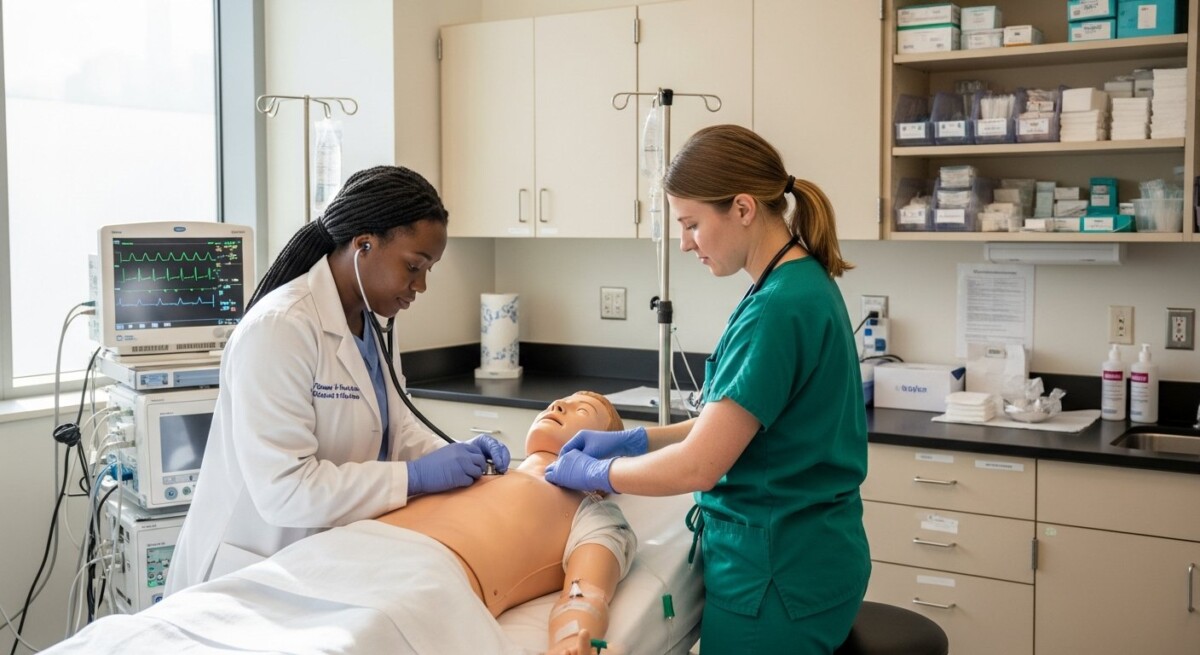
Connecticut stands as a national leader in healthcare education and innovation, home to world-class medical centers, pioneering research institutions, and a dense network of hospitals that serve as clinical training grounds. For students aspiring to enter the vital and growing healthcare field, the state offers an exceptional array of academic pathways. From renowned medical schools and elite nursing programs to specialized degrees in public health, pharmacy, and allied health sciences, Connecticut’s higher education landscape provides the rigorous training and hands-on experience necessary to launch a successful career. This guide explores the state’s premier healthcare academic programs, detailing the unique strengths, admission pathways, and career outcomes that make them standout choices for future professionals.
Connecticut’s Premier Medical and Nursing Education
The foundation of Connecticut’s healthcare education system is built upon its top-tier medical schools and nationally ranked nursing colleges. These institutions are not only centers for learning but also major contributors to medical research and patient care, offering students an immersive education within active healthcare environments. The integration of academic study with clinical practice from an early stage is a hallmark of these programs, ensuring graduates are practice-ready.
Yale School of Medicine, consistently ranked among the best in the nation, offers an MD program famous for its Yale System, which emphasizes student-directed learning and research over traditional grades and class rankings. Its curriculum is integrated across disciplines, and students benefit from proximity to the Yale New Haven Health System, one of the largest academic medical centers in the U.S. For nursing, the University of Connecticut School of Nursing offers a comprehensive range of programs from Bachelor of Science in Nursing (BSN) to Doctor of Nursing Practice (DNP) and PhD tracks. Its simulation labs and partnerships with over 500 clinical agencies provide unparalleled practical experience. Similarly, Quinnipiac University’s School of Nursing is recognized for its high NCLEX pass rates and state-of-the-art simulation center, which replicates real-world clinical scenarios.
Specialized and Allied Health Programs
Beyond medicine and nursing, Connecticut hosts a robust selection of specialized healthcare degrees that address critical workforce needs. These programs in fields like pharmacy, physical therapy, public health, and diagnostic imaging combine strong scientific foundations with technical skill development. They are often designed with direct input from industry leaders to ensure curriculum relevance.
The University of Saint Joseph offers a highly regarded Doctor of Pharmacy (PharmD) program that emphasizes patient-centered care and interprofessional collaboration. Its modern facilities and early experiential learning opportunities set a strong standard. For those interested in rehabilitation sciences, the University of Hartford’s Doctor of Physical Therapy (DPT) program utilizes a problem-based learning curriculum that develops critical clinical reasoning skills. In the realm of public health, Yale’s School of Public Health provides master’s and doctoral degrees focused on biostatistics, epidemiology, and health policy, leveraging its global research initiatives. Furthermore, Gateway Community College and other state community colleges provide excellent, affordable Associate degree programs in radiologic technology, respiratory care, and surgical technology, creating vital pipelines for skilled technicians.
When evaluating these specialized programs, prospective students should consider several key factors that indicate quality and strong outcomes:
- Accreditation Status: Ensure the program holds specialized accreditation from the relevant professional body (e.g., CAPTE for physical therapy, CEPH for public health).
- Clinical Placement Rates: High-quality programs guarantee or have a near-perfect record of placing students in required clinical rotations or internships.
- Licensure Exam Pass Rates: Look for programs that publish strong first-time pass rates on required professional licensing exams.
- Graduate Employment Data: Reputable programs track and report the percentage of graduates employed in their field within a year of completion.
- Faculty Expertise: Seek programs where core faculty are still actively engaged in practice or research within the discipline.
These metrics provide a concrete way to compare programs and gauge their effectiveness in preparing students for successful careers. For broader academic program insights and comparisons across different learning modalities, dedicated educational resource sites can be invaluable.
Accelerated and Flexible Learning Pathways
Recognizing the diverse needs of today’s students, including career-changers and working professionals, Connecticut institutions have developed accelerated and flexible pathways into healthcare. These programs are designed to efficiently build upon previous education or experience, allowing students to enter the workforce more quickly. Accelerated BSN programs, for example, are available for individuals who already hold a bachelor’s degree in another field, condensing nursing coursework into 12-18 months of intensive study.
Sacred Heart University offers such an accelerated second-degree nursing program, along with flexible RN-to-BSN and online options for registered nurses seeking to advance. Quinnipiac University provides an accelerated dual-degree BS/Direct-Entry Master of Science in Nursing (MSN) pathway. For graduate-level flexibility, many universities, including Southern Connecticut State University and the University of Bridgeport, offer hybrid or fully online master’s degrees in areas like healthcare administration, public health, and health informatics. These programs allow professionals to balance work commitments while advancing their education. The growth of these formats mirrors a national trend toward more accessible graduate education, as seen in neighboring states offering leading healthcare degree programs in Vermont and across New England.
Financial and Career Support for Healthcare Students
Investing in a healthcare education is significant, but Connecticut programs offer substantial support through scholarships, grants, and loan repayment assistance programs tied to service commitments. Many hospitals and healthcare systems, such as Hartford HealthCare and Trinity Health Of New England, offer tuition reimbursement or scholarship-for-service agreements for students in high-need specializations like primary care nursing or mental health counseling. The Connecticut Health and Educational Facilities Authority (CHEFA) also provides grant-funded scholarships to students at independent colleges within the state who are pursuing healthcare careers.
Career support is deeply integrated into these academic programs. Dedicated career service offices within health-focused schools often have specialized advisors who understand the healthcare hiring landscape. They facilitate connections through on-campus recruitment events specifically for healthcare employers, resume workshops tailored to clinical professions, and interview preparation for residency or clinical positions. Furthermore, the strong alumni networks of institutions like UConn or Yale serve as powerful professional conduits, offering mentorship and job referral opportunities that can be crucial for career launch and advancement.
Frequently Asked Questions
What are the most in-demand healthcare degrees in Connecticut right now?
Current high-demand fields include Nursing (especially BSN and advanced practice roles like Nurse Practitioner), Physician Assistant studies, Physical Therapy, Occupational Therapy, Medical Laboratory Science, and Healthcare Administration. The aging population and expansion of healthcare services continue to drive need across these disciplines.
How important is program accreditation for healthcare degrees?
Accreditation is critical. It ensures the program meets national quality standards, which is required for graduates to sit for professional licensing exams (like the NCLEX for nurses or board exams for therapists). Employers also heavily prefer, and often require, degrees from accredited programs. Always verify a program’s accreditation status before applying.
Can I start a healthcare career at a Connecticut community college?
Absolutely. Connecticut’s community college system, now consolidated under Connecticut State Community College, offers excellent and affordable Associate degree and certificate programs in many allied health fields. These include Radiologic Technology, Respiratory Care, Dental Hygiene, and Nursing (ADN). These programs often have articulation agreements with four-year universities for seamless transfer to complete a Bachelor’s degree.
What is the benefit of attending a healthcare program affiliated with a major hospital system?
Affiliation with large systems like Yale New Haven Health, Hartford HealthCare, or Nuvance Health provides direct access to clinical rotation sites, opportunities to learn from practicing professionals, and often a pipeline for employment post-graduation. This integration of academia and clinical practice enhances the learning experience and professional networking.
Are there specific scholarships for healthcare students in Connecticut?
Yes, many exist. Beyond general university scholarships, look for program-specific awards, scholarships from the Connecticut League for Nursing (CLN), the Connecticut Hospital Association, and foundations associated with local health systems. The Connecticut Office of Higher Education website also maintains a list of state financial aid programs for which healthcare students may qualify.
Choosing to pursue one of Connecticut’s excellent healthcare academic programs is an investment in a stable, rewarding, and purpose-driven future. The state’s combination of academic rigor, clinical excellence, and strong industry connections creates an educational environment where students can thrive. By carefully researching programs, considering accreditation and outcomes, and leveraging available financial and career support, aspiring healthcare professionals can find the ideal pathway to make a meaningful impact in the lives of others while building a fulfilling career. The journey begins with selecting the right program to match your ambitions and the needs of the communities you will one day serve.