
Top Healthcare Degree Programs in West Virginia for 2026
West Virginia’s premier healthcare studies focus on rural health, creating highly skilled practitioners for in-demand careers. These programs offer immersive clinical training with strong job outcomes.

By Giovanna Rivera
West Virginia’s higher education landscape is uniquely positioned to address the nation’s growing healthcare needs, offering a range of premier healthcare studies that blend rigorous academic training with deep community engagement. For students seeking a meaningful career in a high-demand field, the Mountain State provides exceptional pathways into nursing, medicine, public health, and allied health professions. These programs are not just academically sound, they are mission-driven, often focusing on the critical health challenges facing rural and underserved populations. This creates graduates who are not only skilled clinicians but also compassionate caregivers prepared to make a tangible difference. Whether you aim to become a primary care physician serving Appalachian communities, a nurse practitioner in a rural hospital, or a public health expert tackling opioid addiction, West Virginia’s institutions offer a powerful launchpad.
Leading Institutions for Healthcare Education in West Virginia
Several universities in West Virginia have established national reputations for excellence in health sciences education. These institutions form the backbone of the state’s healthcare workforce pipeline, each with distinct strengths and specialized facilities. Their commitment extends beyond the classroom, involving extensive clinical partnerships, research initiatives focused on regional health disparities, and service-learning components that embed students directly into communities.
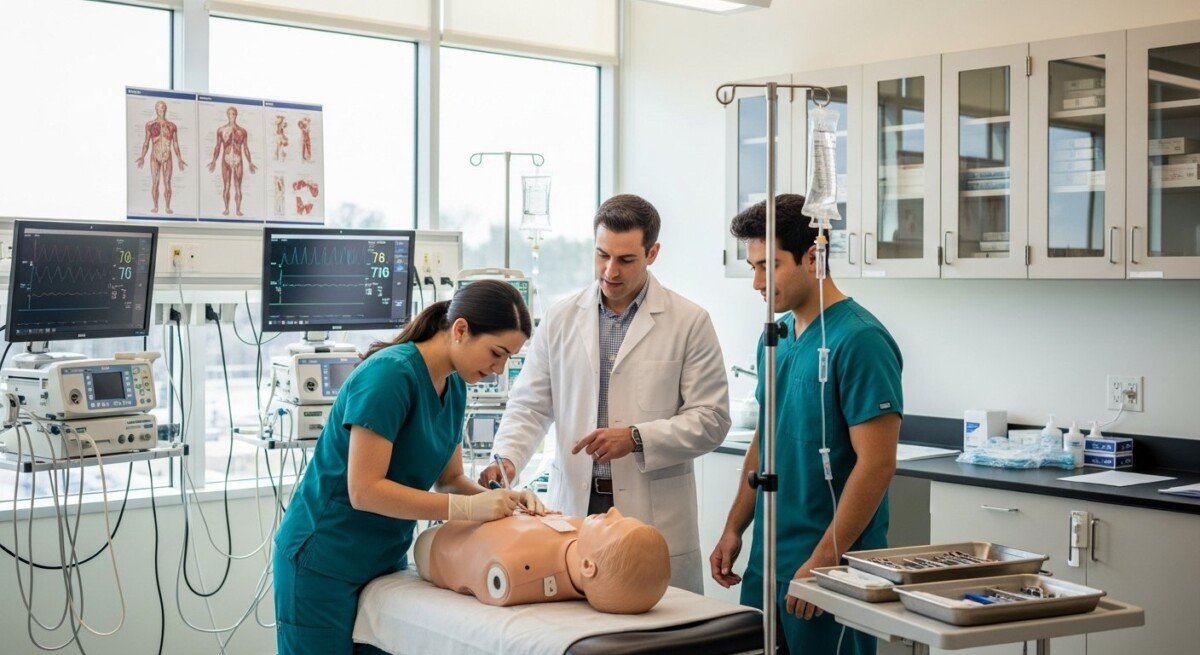
West Virginia University (WVU) stands as the state’s flagship comprehensive health sciences center. Its Robert C. Byrd Health Sciences Center encompasses schools of Medicine, Nursing, Pharmacy, Dentistry, and Public Health, creating an interdisciplinary environment unmatched in the region. Marshall University follows closely, renowned for its Joan C. Edwards School of Medicine and its intense focus on rural healthcare. Smaller institutions, like West Virginia Wesleyan College and the University of Charleston, offer highly respected undergraduate nursing and health science programs known for high NCLEX pass rates and personalized attention. These schools collectively ensure that students pursuing premier healthcare studies available in West Virginia have access to top-tier faculty, modern simulation labs, and early clinical experiences.
Signature Healthcare Degree Programs and Specializations
The depth of healthcare education in West Virginia is evident in its array of specialized degree tracks. These programs are designed to meet specific state and national workforce shortages, offering students clear career trajectories upon graduation.
Nursing Pathways from ADN to DNP
Nursing education is a cornerstone of West Virginia’s academic offerings. Programs range from Associate Degrees in Nursing (ADN) at community colleges like BridgeValley Community & Technical College, which provide fast-track entry into the workforce, to sophisticated Doctor of Nursing Practice (DNP) degrees at WVU and Marshall. The DNP programs allow advanced practice nurses to specialize as Family Nurse Practitioners, Psychiatric Mental Health Nurse Practitioners, or Nurse Anesthetists, roles that are desperately needed in West Virginia’s healthcare system. These curricula heavily emphasize primary care, chronic disease management, and the psychosocial aspects of health, preparing nurses to lead in complex settings.
Medical and Allied Health Professions
Beyond nursing, West Virginia’s schools offer robust programs in essential allied health fields. WVU’s School of Medicine, for instance, provides a medical education with a pronounced rural track, training physicians specifically for practice in small towns and remote areas. Similarly, programs in Physical Therapy, Occupational Therapy, Physician Assistant studies, and Medical Laboratory Science are highly competitive and clinically focused. For those interested in the business and operational side of healthcare, schools like American Public University System (based in Charles Town) offer online degrees in Healthcare Administration, perfect for working professionals seeking advancement. Exploring different regional approaches can be beneficial, as seen in our guide on premier health care studies in South Carolina, which highlights varied institutional models.
The Unique Advantage: Focus on Rural and Community Health
What truly distinguishes premier healthcare studies available in West Virginia is their inherent focus on rural and Appalachian health. This is not merely a thematic element, it is integrated into the core competencies of the curricula. Students learn to address issues like limited access to specialists, transportation barriers for patients, and the management of prevalent conditions such as diabetes, heart disease, and substance use disorders. This community-engaged approach provides graduates with a skill set that is incredibly valuable and transferable to underserved areas nationwide.
This focus manifests in unique program structures and requirements. Many medical and nursing students participate in longitudinal clinical rotations in federally qualified health centers (FQHCs) or critical access hospitals across the state. Public health students often work directly with the West Virginia Department of Health and Human Resources on real-world surveillance and intervention projects. This hands-on, contextual learning ensures that graduates are not just theoretically prepared but are proven problem-solvers. For students passionate about health equity and making a broad impact, this aspect of West Virginia’s education is unparalleled. When researching all options, prospective students can also seek academic program insights from dedicated online resources that compare accredited pathways.
Admissions Pathways and Career Outcomes
Gaining entry into West Virginia’s top healthcare programs requires careful planning. While each institution has its own criteria, common elements include strong performance in science prerequisites, relevant healthcare experience (even as a volunteer), and a demonstrated commitment to service. Many programs, particularly in medicine and advanced practice nursing, value applicants with ties to West Virginia or a stated desire to practice in rural areas.
The career outcomes for graduates are exceptionally strong, largely due to high demand. Key trajectories include:
- Immediate Regional Employment: A significant percentage of graduates accept positions within West Virginia or the surrounding Appalachian region, often with signing bonuses or loan repayment assistance.
- Advanced Practice Leadership: Nurse practitioners and physician assistants from WVU and Marshall frequently establish practices in primary care settings, filling vital gaps in the provider network.
- Public Health and Policy: Graduates from public health programs work for state agencies, non-profits, and community organizations tackling environmental health, addiction recovery, and health promotion.
- Further Specialization: Many use their West Virginia education as a foundation for competitive residencies, fellowships, or PhD programs in specialized medical fields.
The return on investment is clear, with high licensure pass rates and employment rates consistently reported by these institutions. The combination of affordable tuition (especially for in-state students) and high job placement creates a compelling value proposition for any aspiring healthcare professional.
Frequently Asked Questions
What are the most in-demand healthcare degrees in West Virginia right now?
The highest demand is for Advanced Practice Registered Nurses (especially Family Nurse Practitioners and Psychiatric NPs), Physician Assistants, Medical Laboratory Scientists, and Physical Therapists. Primary care physicians specializing in family medicine or internal medicine are also critically needed.
Are there specific scholarships or financial incentives for healthcare students in WV?
Yes. The West Virginia Higher Education Policy Commission administers several state-funded programs, like the Health Sciences Service Program, which provides tuition assistance in exchange for a service commitment in a state shortage area. Many hospitals also offer tuition reimbursement or sign-on bonuses for nurses and allied health staff.
How important is clinical placement, and how do schools facilitate it?
Clinical placement is paramount. West Virginia schools leverage extensive networks with the WVU Medicine system, Marshall Health, CAMC, Mon Health, and numerous rural clinics and hospitals. These partnerships guarantee students diverse and immersive clinical experiences, which is a major advantage of these programs.
Can I pursue a healthcare degree online in West Virginia?
Many programs, particularly at the graduate level and in fields like healthcare administration, nursing RN-to-BSN, and public health, offer online or hybrid formats. Schools like West Virginia University and American Public University System have robust online platforms to accommodate working professionals.
What makes West Virginia’s healthcare education different from other states?
The defining difference is the immersive, mission-focused training on rural and underserved population health. The curricula are built around real community needs, producing resilient, adaptable, and compassionate practitioners who are experts in resource-limited care.
Choosing to pursue healthcare studies in West Virginia is a decision to engage in education with immediate purpose and profound impact. The programs detailed here offer more than a degree, they offer a formative experience that shapes clinicians who are technically excellent, deeply empathetic, and equipped to tackle the toughest challenges in modern healthcare. For a student whose goal is to serve and lead in communities that need it most, West Virginia’s premier healthcare studies provide an unmatched foundation for a rewarding and essential career.