Choosing a college major is one of the most significant decisions a student makes, directly impacting career trajectory, earning potential, and long-term satisfaction. For students attending or considering universities in Missouri, this decision carries added weight: they want an education that not only provides knowledge but also a clear pathway to stable, rewarding employment after graduation. Fortunately, Missouri’s diverse higher education landscape, from major research institutions like the University of Missouri System to specialized public and private colleges, offers numerous programs with exceptional job prospects. These programs are closely aligned with both state and national economic growth sectors, including advanced manufacturing, healthcare, technology, and business services. This guide analyzes the Missouri university majors with the best job prospects, examining the data on employment rates, median salaries, and industry demand to help prospective students make an informed investment in their future.
Understanding Job Prospects: More Than Just a Degree
Before diving into specific majors, it’s crucial to define what “best job prospects” truly means. A major with strong prospects typically demonstrates high post-graduation employment rates (often above 90% within six months to a year), competitive starting and mid-career salaries, and alignment with growing industries that show sustained demand for new talent. In Missouri, key economic drivers include the Kansas City and St. Louis metro areas, which are hubs for finance, bioscience, and technology, as well as a robust statewide healthcare network and a strong agricultural and manufacturing base. When evaluating programs, students should look beyond general rankings and consider specific strengths of Missouri institutions, their industry partnerships, co-op and internship placement rates, and the success of their career services departments. This localized approach ensures the degree is valuable within the regional job market, a strategy we also emphasize in our analysis of high-demand university majors in neighboring states.
High-Demand Majors in STEM and Healthcare
The most consistently high-demand fields, both in Missouri and nationally, reside within STEM (Science, Technology, Engineering, and Mathematics) and healthcare. These sectors are characterized by rapid innovation, an aging workforce requiring replacement, and societal needs that guarantee long-term stability.
Engineering disciplines are perennial leaders. At institutions like Missouri University of Science and Technology (Missouri S&T), majors such as Computer Science, Electrical Engineering, Mechanical Engineering, and Civil Engineering boast near-perfect placement rates. Missouri S&T’s intense focus on applied learning and its deep connections with industry giants in aerospace, construction, and tech make its graduates highly sought-after. Similarly, the University of Missouri-Columbia’s College of Engineering offers strong programs in Biomedical and Chemical Engineering, tapping into the state’s growing bioscience corridor. Graduates from these programs often secure positions well before graduation, with starting salaries significantly above the state average.
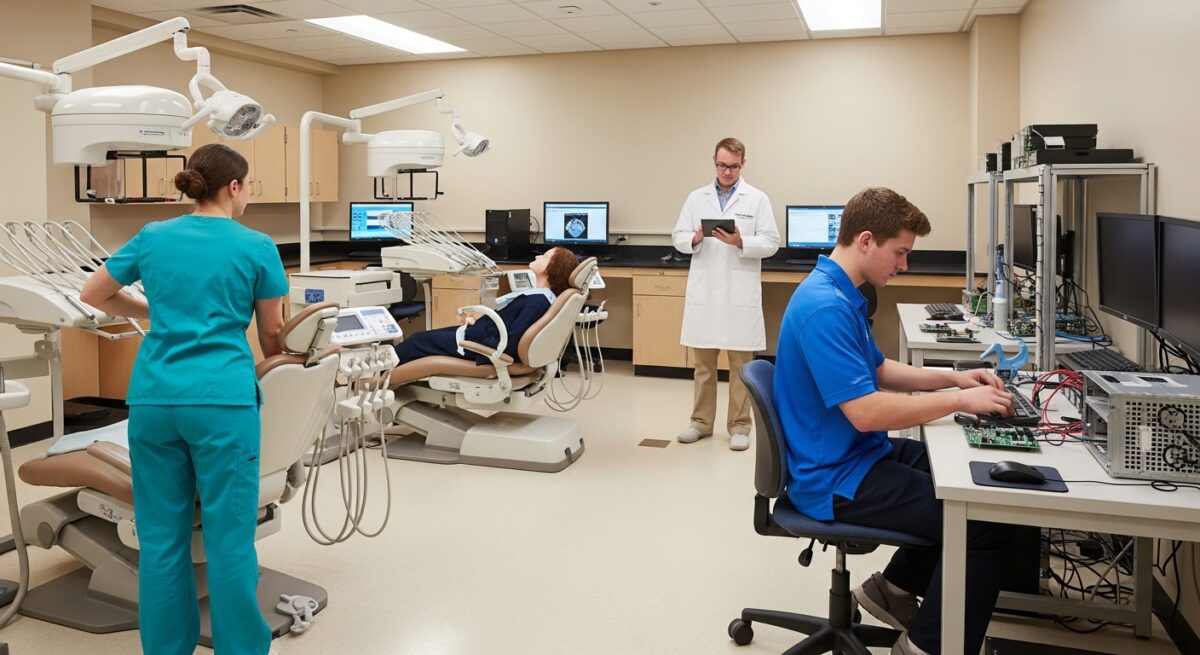
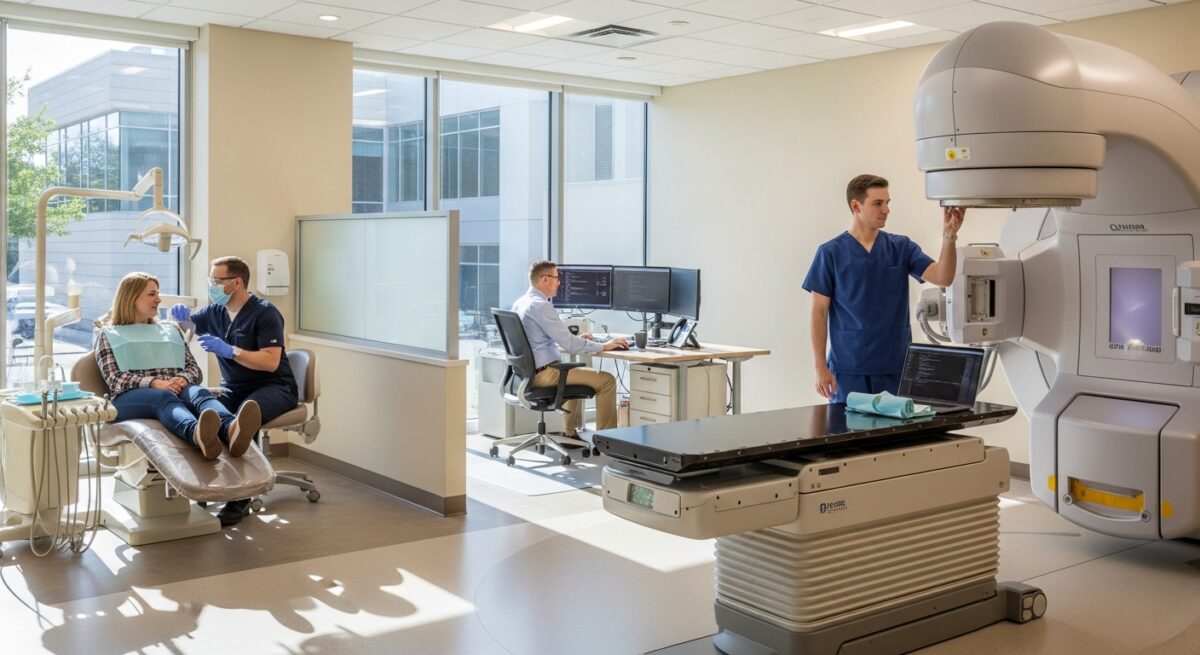
In healthcare, the demand extends far beyond doctors and nurses. Majors like Nursing (BSN), offered at schools like the University of Missouri-St. Louis and Saint Louis University, provide a direct pipeline into a profession with a critical shortage. Health Informatics, offered at the University of Missouri-Columbia, merges healthcare with data science, creating professionals who can manage patient data and improve healthcare systems. Other high-prospect majors include Medical Laboratory Science, Radiation Therapy, and Physician Assistant Studies. These programs often include mandatory clinical rotations, which frequently lead directly to job offers.
Thriving Business and Data Analytics Programs
Missouri’s central location and major corporate headquarters make it a fertile ground for business and analytics careers. Majors in this cluster are prized for their versatility and applicability across virtually every industry.
A degree in Management Information Systems (MIS) or Business Analytics is particularly powerful. Programs like the one at the University of Missouri’s Trulaske College of Business teach students to bridge the gap between business needs and technological solutions. Graduates can move into roles as systems analysts, business consultants, or data analysts. Similarly, a straightforward Bachelor of Science in Business Administration with a concentration in Finance or Supply Chain Management from a school like the University of Missouri-Kansas City’s Bloch School can lead to excellent opportunities in the region’s vibrant financial services and logistics sectors. These programs succeed because they combine core business principles with hard, technical skills that employers value.
For students interested in the digital economy, majors in Cybersecurity are exploding in demand. Schools like Maryville University in St. Louis have developed cutting-edge programs that prepare students to defend against cyber threats, a concern for every company and government agency. The curriculum typically includes hands-on labs, certifications, and connections with security firms, ensuring graduates are job-ready from day one. Exploring various educational pathways, including online options, can provide valuable academic program insights for those balancing work or other commitments while pursuing these high-value fields.
Specialized and Niche Majors with Missouri Advantages
Several Missouri universities have developed unique strengths in specialized fields that offer outstanding job prospects due to limited competition and high industry need. These programs often leverage the state’s specific economic assets.
Agriculture remains a cornerstone of Missouri’s economy, but modern agricultural majors are highly technical. The University of Missouri-Columbia’s College of Agriculture, Food and Natural Resources offers degrees in Agricultural Systems Technology and Food Science that lead to careers in agribusiness management, sustainable farming technology, and food safety, all with strong placement records. Another niche area is Aviation, offered at schools like Parks College of Engineering, Aviation and Technology at Saint Louis University. With majors in Flight Science and Aviation Management, graduates find careers with airlines, airports, and logistics companies, benefiting from the national pilot and aviation operations shortage.
The creative economy is also represented. Missouri State University’s strong program in Graphic Design, which emphasizes digital skills and user experience (UX) principles, prepares students for in-demand roles in marketing agencies and tech companies. When considering such specialized paths, it’s helpful to look at broader regional trends, similar to the approach taken in our review of high-employability majors in Delaware, to understand how local industry partnerships fuel graduate success.
Key Factors Beyond the Major Name
Selecting a major with a strong title is only the first step. To truly maximize job prospects, students must be strategic about their entire educational experience. The specific university’s program reputation, the opportunities it provides for practical experience, and the strength of its alumni network are critical differentiators.
First, prioritize programs with mandatory or highly encouraged internship or co-op components. Schools like the University of Missouri-Columbia and Missouri S&T have extensive co-op programs where students alternate semesters of study with paid, full-time work in their field. This provides not only income and experience but often results in a job offer upon graduation. Second, investigate career services outcomes. Ask for data on placement rates for your specific major, not just the general university statistics. Attend career fairs and note which companies recruit on campus. Finally, consider the power of location. A major in Logistics or Supply Chain Management from a university in the transportation hub of Kansas City may offer more immediate local opportunities than the same degree from a school in a more remote area, though the core skills are transferable.
Frequently Asked Questions
Which Missouri university has the best overall job placement rate?
While rates vary by major, Missouri University of Science and Technology consistently reports some of the highest overall career placement rates in the state, often exceeding 95% for its engineering and computer science graduates within six months of graduation.
Are nursing majors at Missouri universities in high demand?
Yes, absolutely. Nursing remains one of the most in-demand professions nationwide, and Missouri is no exception. BSN programs at public universities like the University of Missouri-St. Louis and private institutions like Saint Louis University have excellent job placement rates, frequently through the hospital systems where students complete clinical rotations.
How important is accreditation for job prospects in fields like business and engineering?
Extremely important. For engineering, ABET accreditation is essential for licensure and is a baseline requirement for most employers. For business schools, accreditation from the Association to Advance Collegiate Schools of Business (AACSB) signals a high-quality program that recruiters trust. Always verify a program’s accreditation status.
Do online degrees from Missouri universities have good job prospects?
Yes, especially if they are from accredited public universities like the University of Missouri or Missouri State University. Employers increasingly view accredited online degrees from reputable institutions as equal to their on-campus counterparts, particularly when the curriculum is identical and the degree does not specify “online” on the diploma.
What is a “sleeper” major in Missouri with unexpectedly good prospects?
Construction Management is a strong contender. With constant demand for infrastructure and commercial projects, graduates from programs like the one at the University of Missouri-Columbia often receive multiple job offers with competitive salaries, blending project management skills with practical technical knowledge.
The pursuit of a college degree is ultimately an investment in a future career. For students in Missouri, that investment can yield substantial returns by focusing on majors that are tightly coupled with the evolving needs of the state’s and nation’s economy. By choosing a program in a high-growth sector, prioritizing hands-on experience, and leveraging the specific strengths of Missouri’s universities, students can confidently select a major that leads not just to a job, but to a fulfilling and prosperous career. The key is to conduct thorough research, ask detailed questions about outcomes, and align academic choices with clear professional goals.