
Top Ranked Exercise Science Colleges for Your Degree
Identify the top exercise science colleges based on accreditation, hands-on labs, and strong career outcomes for graduates entering health and fitness fields.

By Hannah Long
Choosing the right college for an exercise science degree is a critical decision that shapes your entire career trajectory in health, fitness, and human performance. This dynamic field bridges the gap between scientific research and practical application, preparing graduates for roles in clinical settings, corporate wellness, athletic performance, and public health. The best colleges for exercise science degrees distinguish themselves through rigorous curricula, exceptional faculty, cutting-edge research facilities, and strong industry connections that lead to meaningful internships and job placements. This guide explores the key factors that elevate a program and highlights the institutional characteristics you should prioritize in your search to ensure your education provides the strongest possible foundation for professional success.
Defining Excellence in Exercise Science Education
Not all exercise science programs are created equal. The top-tier programs share several core attributes that contribute to superior educational outcomes. First and foremost is accreditation. While program-specific accreditation from bodies like the Commission on Accreditation of Allied Health Education Programs (CAAHEP) is a gold standard, regional accreditation of the institution itself is non-negotiable. This ensures the degree is recognized by employers and graduate schools. The curriculum should be comprehensive, covering core areas such as exercise physiology, biomechanics, motor learning, nutrition, and fitness assessment. Look for a balance between theoretical knowledge and hands-on application. Programs that integrate laboratory experiences, research opportunities, and practical skill development from the first year typically produce more competent and confident graduates.
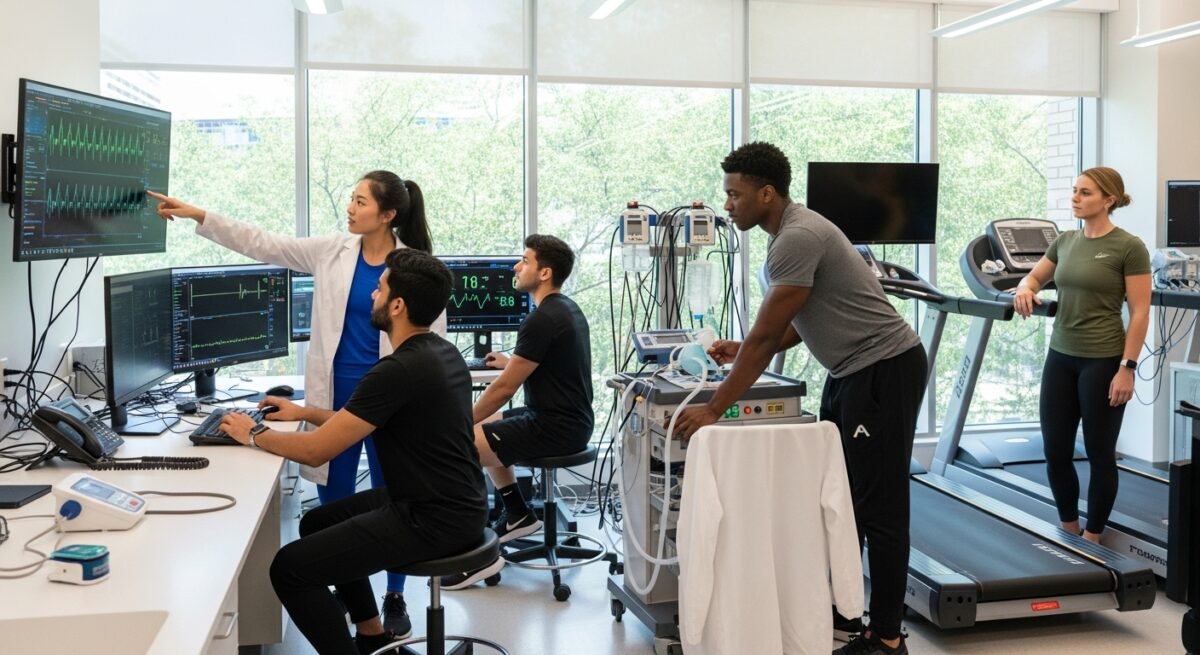
Faculty expertise is another cornerstone of a quality program. The best exercise science colleges employ professors who are not only excellent teachers but also active researchers and practitioners in their specialties. This means your education is informed by the latest scientific discoveries and real-world trends. Furthermore, class size and student-to-faculty ratios in major-specific courses significantly impact the learning experience. Smaller labs and seminars allow for personalized instruction and mentorship, which is invaluable when mastering complex concepts like metabolic testing or gait analysis. The physical resources of the department are equally important. Modern laboratories equipped with metabolic carts, force plates, electromyography (EMG) systems, and body composition analyzers provide the hands-on experience that employers value.
Key Factors for Comparing Exercise Science Colleges
When evaluating the best colleges for exercise science, prospective students must look beyond general university rankings and examine program-specific details. A holistic comparison requires assessing several interconnected factors that directly impact your education and future career.
First, investigate the program’s focus and available specializations. Some exercise science colleges may emphasize clinical tracks preparing students for graduate programs in physical therapy or occupational therapy. Others might focus on strength and conditioning, corporate wellness, or sports performance. The availability of focused tracks or elective clusters allows you to tailor your degree to your career goals. Second, examine the experiential learning requirements. High-quality programs mandate internships, practicums, or clinical hours. The strength of a program’s network is often reflected in the quality and prestige of its internship sites, which can include hospitals, Division I athletic departments, corporate fitness centers, and research institutes.
Third, consider the pathways to advanced study and professional certification. A strong undergraduate program will align its coursework with the prerequisites for common graduate programs (like PT, OT, or physician assistant studies) and/or the knowledge requirements for certifications from organizations like the American College of Sports Medicine (ACSM) or the National Strength and Conditioning Association (NSCA). Some programs even offer integrated pathways or guaranteed interview agreements with graduate schools. Finally, analyze career support and alumni outcomes. A dedicated department or college-level career office that understands the exercise science field can be instrumental in securing relevant employment. Asking for data on post-graduation employment rates and graduate school acceptance rates provides concrete evidence of a program’s effectiveness.
To systematically compare your options, focus on these essential criteria:
- Accreditation Status: Verify both institutional (regional) and specialized program accreditation (e.g., CAAHEP).
- Curriculum Depth & Specializations: Look for a robust core and meaningful elective paths in areas like clinical exercise physiology, strength conditioning, or biomechanics.
- Lab & Facility Quality: Prioritize programs with dedicated, modern exercise science labs for student use.
- Faculty Credentials & Engagement: Seek out professors with terminal degrees, research publications, and industry connections.
- Experiential Learning Mandate: Ensure required internships or practicums are built into the degree plan.
The Critical Role of Hands-On Learning and Internships
Theoretical knowledge in exercise science is essential, but the ability to apply that knowledge is what defines a successful professional. The best exercise science colleges embed practical, hands-on learning throughout their curriculum. This begins in laboratory courses, where students learn to conduct VO2 max tests, analyze movement using video software, measure body composition, and design exercise prescriptions based on empirical data. This lab work transforms abstract principles into tangible skills. Beyond scheduled labs, undergraduate research opportunities represent a significant advantage. Assisting a professor with a research project on topics like high-intensity interval training (HIIT) adaptations, nutritional interventions, or rehabilitation protocols provides unparalleled depth of understanding and strengthens graduate school applications.
The capstone of practical experience is the required internship or field placement. A program’s geographic location and professional network heavily influence the quality of these opportunities. A university located near major medical centers, sports franchises, or corporate headquarters can offer internships that are simply unavailable elsewhere. For example, a student interested in cardiac rehabilitation would benefit immensely from an internship at a renowned hospital’s cardiology department. Similarly, an aspiring strength coach dreams of working with a collegiate or professional athletic team. The best programs have established relationships with these elite sites and structured processes for placing students. This experiential component is so vital that it often becomes the most memorable and career-defining part of the undergraduate experience, providing both a resume highlight and a potential job reference. For students considering various academic pathways, understanding the practical components of a degree is crucial. This is similar to evaluating the field experience in other applied sciences, as explored in resources for associate degrees in criminology, where hands-on training is equally paramount.
Career Pathways and Graduate School Preparation
An exercise science degree is typically a springboard to one of two primary destinations: immediate employment in the fitness/wellness industry or further study in a specialized graduate or professional program. Exceptional undergraduate programs are designed to support both trajectories effectively. For the direct-to-work path, the curriculum should include courses and certifications that align with employer needs. Many top programs offer embedded preparation for widely recognized credentials, such as the ACSM Certified Exercise Physiologist (EP-C) or the NSCA Certified Strength and Conditioning Specialist (CSCS). Some may even host exam preparation workshops or include the exam fee in tuition. Career services should specifically target industries like corporate wellness management, commercial fitness, community health programming, and personal training entrepreneurship.
For students aiming for clinical doctorates in physical therapy, occupational therapy, or medicine, or for master’s degrees in athletic training or exercise physiology, the undergraduate program must function as a rigorous pre-professional track. This involves more than just offering the right prerequisite courses (e.g., anatomy, physiology, physics, chemistry, psychology). The best colleges for exercise science degrees provide structured advising for pre-health students, committee letters of recommendation for application packets, and a track record of high acceptance rates into competitive graduate programs. They may also offer linked, accelerated, or guaranteed admission programs with specific graduate schools, reducing the uncertainty of the application process. The strength of the program’s science foundation, often delivered through the biology or chemistry departments, is a critical differentiator for this student group. A comprehensive college degree guidance resource can help you map these prerequisite requirements across different institutions.
Frequently Asked Questions
What is the difference between an Exercise Science degree and a Kinesiology degree?
The terms are often used interchangeably, and there is significant overlap. Generally, Kinesiology is the broader academic discipline studying human movement, encompassing biomechanics, psychology, and sociology of sport. Exercise Science is often considered a sub-discipline of Kinesiology with a stronger focus on the physiological, functional, and clinical responses to physical activity. When researching programs, examine the actual curriculum, as the department name may not fully reflect the course content.
How important is program-specific accreditation (like CAAHEP) for an undergraduate degree?
While not universally required for employment with a bachelor’s degree, CAAHEP accreditation is a strong marker of program quality, indicating it meets rigorous national standards. It is highly beneficial, and often required, if you plan to sit for certain professional certifications immediately after graduation. It also signals to graduate schools that your preparation was thorough.
Should I choose a program with a broad focus or a specific track?
If you are certain of your career goal (e.g., physical therapy, strength coaching), a program with a relevant track or emphasis can provide targeted preparation and make you a more competitive applicant. If you are unsure, a broader, well-rounded program from one of the best exercise science colleges will keep more doors open and allow you to specialize through electives and internship choices later.
Are online exercise science degrees from reputable colleges a good option?
Accredited online programs can be excellent for career-changers or those requiring flexibility. However, critically assess how they deliver the hands-on lab component, which is essential. The best online programs require in-person lab intensives or have partnerships with local facilities for practical work. Ensure the program’s format aligns with your learning style and career objectives.
What questions should I ask on a campus tour of an exercise science department?
Ask to see the student labs and who has access to them. Inquire about the typical internship sites for juniors and seniors. Ask about the career paths of recent graduates. Request to meet with a professor in your area of interest. Finally, ask about opportunities for undergraduate students to assist with faculty research.
Selecting the right institution for your exercise science degree is an investment in your future professional identity and capabilities. By prioritizing accredited programs with robust curricula, distinguished faculty, advanced facilities, and strong industry ties, you position yourself for success in a competitive and rewarding field. The journey begins with thorough research and a clear understanding of how each program’s offerings align with your personal aspirations, whether that leads directly to the workforce or to advanced clinical study.