Virginia stands as a national leader in preparing the next generation of healthcare professionals, offering a diverse and robust ecosystem of educational pathways. From world-renowned research universities to specialized community college programs and innovative online platforms, the Commonwealth provides unparalleled access to leading health services education in Virginia. This comprehensive landscape is designed to meet the growing demand for skilled clinicians, administrators, public health experts, and allied health workers, addressing critical workforce needs with rigor and relevance. For students and career-changers alike, navigating this wealth of options is the first step toward a rewarding future in a vital and dynamic field.
The Pillars of Virginia’s Health Education Excellence
The strength of Virginia’s health services education system rests on several foundational pillars. First is the depth of institutional variety. The state is home to major public research universities with comprehensive health science centers, private colleges with focused nursing and health science schools, and a statewide network of community colleges offering career-oriented associate degrees and certificates. This creates a seamless continuum from entry-level certification to doctoral research. Second is the strong integration with clinical practice. Virginia’s programs are renowned for their partnerships with top-tier hospital systems, including Inova, Sentara, VCU Health, and the UVA Health System. These relationships ensure that curricula are current, and students gain hands-on experience in real-world settings from day one. Finally, a commitment to innovation and addressing state-specific needs, such as rural healthcare access and public health preparedness, ensures that education translates directly into community impact.
Key Academic Pathways and Program Types
Prospective students can choose from a multitude of pathways tailored to different career goals and educational starting points. Understanding these categories is essential for making an informed decision.
Undergraduate Degrees: The Foundation
Bachelor’s degrees serve as the primary entry point for many health professions. In Virginia, popular and highly-regarded undergraduate programs include Bachelor of Science in Nursing (BSN), which is offered at institutions like James Madison University, George Mason University, and Radford University. These programs often feature competitive direct-admission processes due to high demand. Other common undergraduate paths are degrees in Public Health, Health Sciences, Kinesiology, and Clinical Laboratory Sciences. These four-year programs provide the scientific knowledge and pre-professional training required for advanced study or direct entry into certain technical roles. Many Virginia universities also offer “3+2” or accelerated tracks, allowing students to earn a bachelor’s and a master’s degree in a condensed timeframe, a valuable option for fields like health administration or nutrition.
Graduate and Professional Programs: Specialization and Leadership
For those seeking advanced clinical roles or leadership positions, Virginia’s graduate programs are exceptional. This includes medical education at the Virginia Commonwealth University School of Medicine and the University of Virginia School of Medicine, both consistently ranked among the nation’s best. Doctor of Nursing Practice (DNP) and Master of Science in Nursing (MSN) programs prepare advanced practice registered nurses, with strong options at George Mason, UVA, and Old Dominion University. Similarly, Virginia Tech and Virginia Commonwealth University offer renowned programs in Veterinary Medicine and Pharmacy, respectively. For non-clinical leadership, Master of Health Administration (MHA) and Master of Public Health (MPH) degrees are available at institutions like George Washington University (with a Virginia campus) and the University of Virginia. These programs emphasize policy, finance, and system management, crucial skills for modern healthcare delivery.
Associate Degrees and Certificates: Accelerated Career Entry
Virginia’s Community College System (VCCS) is a powerhouse for workforce development in health services. Colleges like Northern Virginia Community College (NOVA), Tidewater Community College (TCC), and John Tyler Community College offer affordable, high-quality associate degrees and certificates in high-demand fields. These programs are designed for swift entry into the workforce and include:
- Associate of Applied Science (AAS) in Nursing (leading to RN licensure)
- Diagnostic Medical Sonography
- Radiologic Technology
- Dental Hygiene
- Emergency Medical Services (Paramedic)
- Medical Laboratory Technology
These programs often have articulation agreements with four-year institutions, allowing graduates to seamlessly transfer credits to complete a bachelor’s degree, a model that supports both immediate employment and long-term career growth. This strategic approach to career and technical education is a cornerstone of the state’s strategy to build its healthcare workforce efficiently.
Selecting the Right Program for Your Goals
Choosing among Virginia’s many excellent options requires careful self-assessment and research. Key decision factors include career objective, learning format preference, cost, and time to completion. A prospective nurse practitioner needs a different path than an aspiring hospital administrator or a radiology technician. Accreditation is the non-negotiable first filter; always verify that the program holds specialized accreditation from the relevant professional body (e.g., CCNE or ACEN for nursing, CAHME for health administration). Prospective students should also investigate licensure exam pass rates, graduate employment outcomes, and clinical placement support. For those balancing work or family commitments, the proliferation of high-quality online and hybrid programs from Virginia schools provides essential flexibility without sacrificing quality. Exploring academic program insights can be a helpful step in comparing accredited online and on-campus formats to find the best fit for your lifestyle and learning style.
The Role of Innovation and Technology in Curriculum
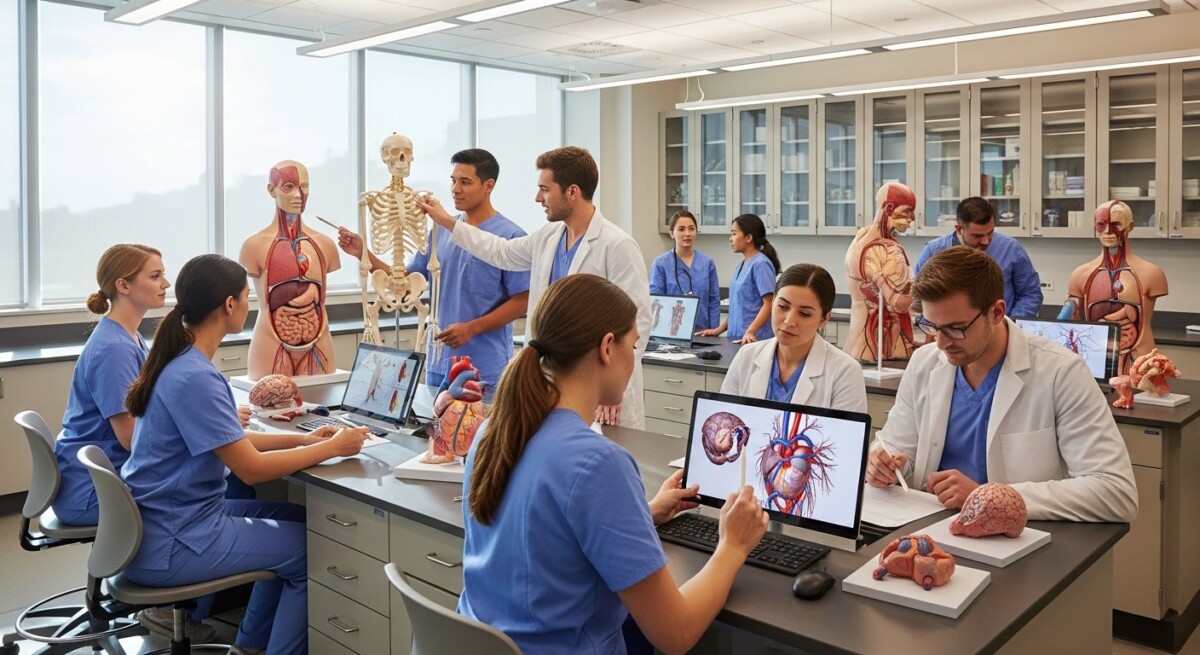
Leading health services education in Virginia is characterized by its adoption of cutting-edge educational technology and pedagogical innovation. Simulation labs are now standard, featuring high-fidelity manikins and virtual reality environments that allow students to practice complex procedures in risk-free settings. Telehealth training is increasingly integrated into curricula, preparing graduates for the expanding domain of remote care. Furthermore, data analytics and health informatics are becoming core competencies across disciplines, reflecting the industry’s shift towards data-driven decision making. Programs are also emphasizing interprofessional education (IPE), where students from nursing, medicine, pharmacy, and social work train together to mimic the collaborative nature of modern patient care teams. This forward-looking approach ensures Virginia graduates are not just ready for today’s healthcare environment, but are equipped to adapt to and lead future transformations.
Frequently Asked Questions
What is the most direct path to becoming a Registered Nurse (RN) in Virginia?
The most common paths are: 1) Earning an Associate Degree in Nursing (ADN) from a Virginia community college (typically 2 years), then passing the NCLEX-RN exam. 2) Earning a Bachelor of Science in Nursing (BSN) from a four-year university (typically 4 years), then passing the NCLEX-RN. The BSN is increasingly preferred by employers and is required for many advanced roles.
Are there strong online options for health services degrees in Virginia?
Yes. Many Virginia institutions offer respected online programs, particularly for graduate degrees like the Master of Health Administration (MHA), Master of Public Health (MPH), and Master of Science in Nursing (MSN). Schools like George Mason University, James Madison University, and Old Dominion University have robust online divisions. Always verify the program’s accreditation status.
How does Virginia support students interested in rural healthcare careers?
Several programs address rural health needs. The Virginia State Loan Repayment Program offers financial incentives for providers working in federally designated Health Professional Shortage Areas. Universities like the University of Virginia and Edward Via College of Osteopathic Medicine (VCOM) have specific rural track programs and clinical rotations designed to train practitioners for underserved communities.
What are the fastest-growing health services fields in Virginia?
Current high-growth areas include nurse practitioners, physician assistants, medical and health services managers, physical therapist assistants, and cybersecurity professionals within healthcare (health informatics). Demand is driven by an aging population, expanded healthcare access, and the increasing complexity of health systems.
Can I transfer credits from a Virginia community college to a university health program?
Generally, yes. The Virginia Community College System has guaranteed admission agreements and specific articulation pathways with many four-year public universities. For example, an ADN graduate can often enter an RN-to-BSN completion program with all or most general education credits transferring. It is critical to work with an advisor early to ensure you take the correct transferable courses. For a broader perspective on educational pathways, our analysis of leading healthcare education in other states shows that Virginia’s transfer network is among the most developed in the country.
Virginia’s commitment to leading health services education is evident in its comprehensive, high-quality, and innovative program offerings. By strategically leveraging its institutional diversity, clinical partnerships, and forward-thinking curricula, the Commonwealth provides a template for how regions can educate a competent, compassionate, and adaptable healthcare workforce. Whether beginning with a certificate or pursuing a doctoral degree, students in Virginia find a pathway designed to foster success, ensuring that the state’s health systems are staffed by well-prepared professionals ready to meet the challenges of 21st-century care.