
What Defines Premier Nursing Continuing Education?
Premier nursing continuing education moves beyond basic requirements to offer evidence-based, expert-led learning that enhances clinical skills, opens career advancement pathways, and improves patient outcomes. It is a strategic investment in professional growth.

By Benjamin Clarke
For the modern nurse, professional development is not an option; it’s a career imperative. The landscape of healthcare evolves at a breathtaking pace, with new research, technologies, and patient care models emerging constantly. In this environment, simply meeting minimum continuing education (CE) requirements for licensure renewal is a recipe for stagnation. To truly advance in clinical expertise, leadership acumen, and overall impact, nurses must seek out premier nursing continuing education. This distinction goes far beyond checking a box for contact hours. It represents a strategic investment in one’s professional future, offering a curated, in-depth, and transformative learning experience that bridges the gap between theory and superior practice. The right CE can empower you to provide safer, more effective patient care, unlock specialized career pathways, and confidently navigate the complexities of contemporary healthcare systems.
The Hallmarks of Truly Premier Nursing CE
Not all continuing education is created equal. The term “premier” signifies a tier of educational offerings characterized by rigor, relevance, and tangible return on investment. Unlike generic courses, premier nursing continuing education is built on a foundation of academic excellence and practical application. Providers in this space are often affiliated with leading academic medical centers, nationally recognized nursing associations, or universities with strong healthcare programs. Their curriculum is developed not in isolation, but in collaboration with subject matter experts who are actively practicing at the forefront of their fields.
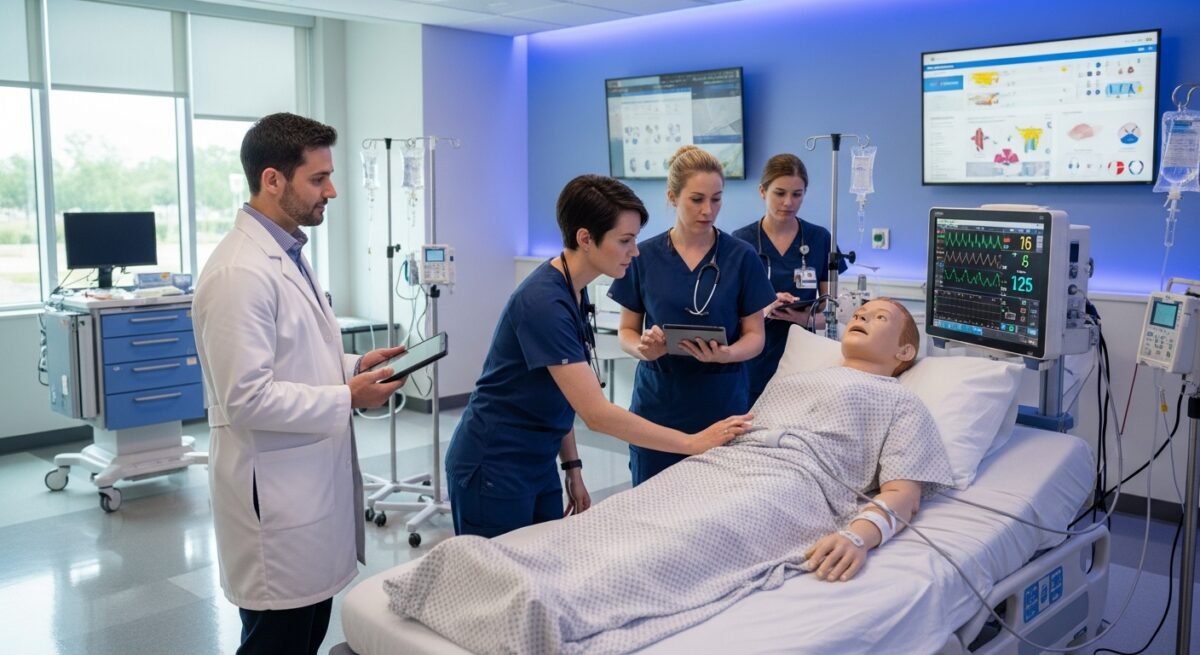
This direct link to current practice is what separates premier programs from the rest. The content is immediately applicable, addressing real-world challenges nurses face at the bedside, in the clinic, or in administrative roles. Furthermore, premier CE prioritizes advanced learning modalities. This means moving past passive lecture formats to incorporate case-based studies, high-fidelity simulation, interactive workshops, and opportunities for peer-to-peer discussion and problem-solving. The goal is to foster critical thinking and clinical judgment, not just knowledge recall. When evaluating options, nurses should look for programs that offer these key attributes of premier nursing continuing education.
- Evidence-Based and Peer-Reviewed Content: Course material is grounded in the latest, highest-quality research and clinical guidelines, ensuring you learn current best practices.
- Expert-Led Instruction: Faculty are recognized leaders, clinicians, and researchers who bring firsthand experience and deep insight into the classroom.
- Interactive and Engaging Formats: Learning utilizes simulations, case studies, and discussions to build practical skills and clinical reasoning.
- Rigorous Accreditation: Programs are accredited by bodies like the American Nurses Credentialing Center (ANCC) or specialty nursing associations, guaranteeing quality and wide acceptance.
- Career-Aligned Specialization: Courses are designed to help you gain expertise in high-demand areas like critical care, oncology, informatics, or nursing leadership.
The outcome of engaging with this caliber of education is a demonstrable enhancement of your professional capabilities. You gain not just a certificate, but the confidence to implement new protocols, advocate for evidence-based changes in your unit, and mentor colleagues. This level of professional growth is the core value proposition of premier nursing continuing education.
Strategic Selection: Finding the Right Program for Your Goals
With a clear understanding of what defines premier CE, the next step is a strategic selection process. This begins with honest self-assessment. Are you seeking to deepen your expertise in your current specialty, or are you preparing for a career pivot? Do you need to fulfill specific state-mandated hours, or are you pursuing an advanced certification? Your goals will dictate the type of program you seek. For instance, a nurse aiming for a CCRN (Critical Care Registered Nurse) certification needs a different curriculum than one preparing for a nurse manager role.
Once your objectives are clear, evaluate potential providers against the premier criteria. Investigate the credentials of the faculty. Are they publishing researchers or practicing clinicians in the specialty they teach? Scrutinize the learning objectives: do they promise actionable skills and advanced knowledge, or are they vague? Examine the delivery format. While online degrees in aviation or business administration might thrive in fully asynchronous models, nursing CE often benefits from synchronous or blended formats that allow for skill demonstration and immediate feedback. Consider the provider’s reputation within the nursing community. Endorsements from major nursing organizations or testimonials from respected peers can be strong indicators of quality.
Finally, weigh the practical considerations. While premier education is an investment, the cost should be transparent and commensurate with the value delivered. Look for clear information on accreditation, contact hours awarded, and any technology requirements. The ideal program balances intellectual rigor with logistical feasibility, fitting into your demanding schedule without compromising on the depth of learning.
Beyond Contact Hours: The Tangible Benefits of Investing in Quality CE
The benefits of engaging in premier nursing continuing education extend far beyond maintaining an active license. This investment yields substantial professional, personal, and financial returns. At the most fundamental level, it directly enhances patient safety and outcomes. By mastering the latest evidence-based interventions, pharmacology updates, and care coordination models, you provide a higher standard of care. This leads to reduced errors, improved patient satisfaction, and better clinical results, which is the ultimate reward for any dedicated nurse.
Professionally, premier CE is a powerful catalyst for career advancement. It equips you with the specialized knowledge required for promotions into charge nurse, educator, or advanced practice roles. For those in or aspiring to leadership, courses in healthcare business administration, financial management, and systems thinking are invaluable. This education builds your professional credibility, making you a sought-after resource on your unit and increasing your visibility to institutional leaders. Furthermore, the networking opportunities within a cohort of motivated, high-achieving peers can open doors to new collaborations and job opportunities.
On a personal level, this commitment to growth combats burnout and renews professional passion. Engaging with challenging material and connecting with experts can reinvigorate your sense of purpose and competence. It transforms mandatory education from a chore into a source of empowerment. Financially, the specialization and certifications enabled by premier CE often command higher salaries and make you more competitive in the job market. The skills you acquire are directly tied to increased earning potential and job security, providing a clear return on your educational investment.
Integrating Premier CE into a Sustainable Career Pathway
Viewing premier nursing continuing education as a one-time event is a missed opportunity. The most successful nurses integrate it into a lifelong learning strategy that aligns with their evolving career trajectory. This requires a proactive, rather than reactive, approach. Start by creating a professional development plan that maps out your goals for the next one, three, and five years. Identify the knowledge and skill gaps between your current abilities and those required for your desired future role. Use this plan to guide your CE selections annually, ensuring each course builds logically upon the last.
Leverage the resources available through your employer. Many hospitals and healthcare systems offer tuition reimbursement or dedicated funds for continuing education, especially for programs that address institutional priorities like quality improvement or specialty staffing needs. Presenting your learning plan to your manager can demonstrate initiative and may secure financial support. Additionally, consider how premier CE can serve as a bridge to more formal academic credentials. The credits or certificates from high-quality CE providers can sometimes be applied toward advanced degrees, whether in nursing, healthcare administration, or even specialized fields that intersect with healthcare technology.
Make learning a consistent habit. Instead of cramming hours before a license renewal deadline, schedule time regularly to engage with journals, webinars, and short courses. This steady intake of knowledge is more effective for retention and application. Furthermore, share what you learn. Presenting a summary of a key conference session to your colleagues or leading a journal club not only reinforces your own knowledge but also elevates the practice of your entire team, multiplying the impact of your educational investment. This cycle of learning, applying, and teaching establishes you as a clinical leader and creates a culture of excellence around you.
The pursuit of excellence in nursing is a continuous journey. In a profession where knowledge is both power and the foundation of compassionate care, settling for mediocre continuing education is a disservice to yourself and your patients. Premier nursing continuing education represents a commitment to that journey, offering the tools, insights, and community needed to excel. By strategically selecting and engaging with these high-caliber learning opportunities, you do more than fulfill a requirement; you actively shape a more competent, confident, and impactful career. The investment you make in your education today defines the nurse you will become tomorrow, ready to meet the challenges of modern healthcare and lead the way in patient-centered innovation.