In the high-stakes world of healthcare, the quality of nursing care hinges on the quality of nursing education. The clinical skills, critical thinking, and compassionate judgment of every bedside nurse are ultimately shaped by their nurse educators. Yet, transforming a clinical expert into a master educator requires more than subject knowledge; it demands a deliberate, evidence-based approach to teaching and learning. The quest for quality instruction for nurse educators is not merely an academic exercise; it is the foundational pillar for patient safety, student success, and the future resilience of the healthcare workforce. This article provides a comprehensive blueprint for nurse faculty to elevate their teaching practice, foster deep learning, and prepare competent, confident nurses ready to meet the complexities of modern healthcare.
Moving Beyond Content Delivery to Student-Centered Pedagogy
Traditional lecture-based models, while efficient for information transfer, often fall short in developing the complex clinical judgment required in nursing. Quality instruction for nurse educators demands a shift from being the “sage on the stage” to becoming the “guide on the side.” This student-centered pedagogy prioritizes active engagement, critical thinking, and the application of knowledge over passive reception. It recognizes that students construct understanding through experience, reflection, and social interaction. For example, instead of lecturing on congestive heart failure, an educator might begin with a complex case study, prompting students to analyze symptoms, prioritize interventions, and anticipate complications in small groups before a guided debrief. The educator’s role evolves from content dispenser to facilitator of learning experiences that mirror real-world clinical reasoning.
This pedagogical shift is supported by educational frameworks like constructivism and transformative learning theory. Constructivism posits that learners build new knowledge upon the foundation of previous experience. A quality nurse educator will assess students’ prior knowledge and intentionally create cognitive dissonance or challenges that push them to adapt and refine their mental models. Transformative learning goes further, aiming to change deeply held assumptions and perspectives, which is critical for developing professional identity, ethical reasoning, and cultural humility in nursing. Implementing this approach requires a toolkit of active learning strategies and a commitment to creating a safe environment where questioning and intellectual risk-taking are encouraged.
Cultivating Clinical Judgment Through Simulation and Reflection
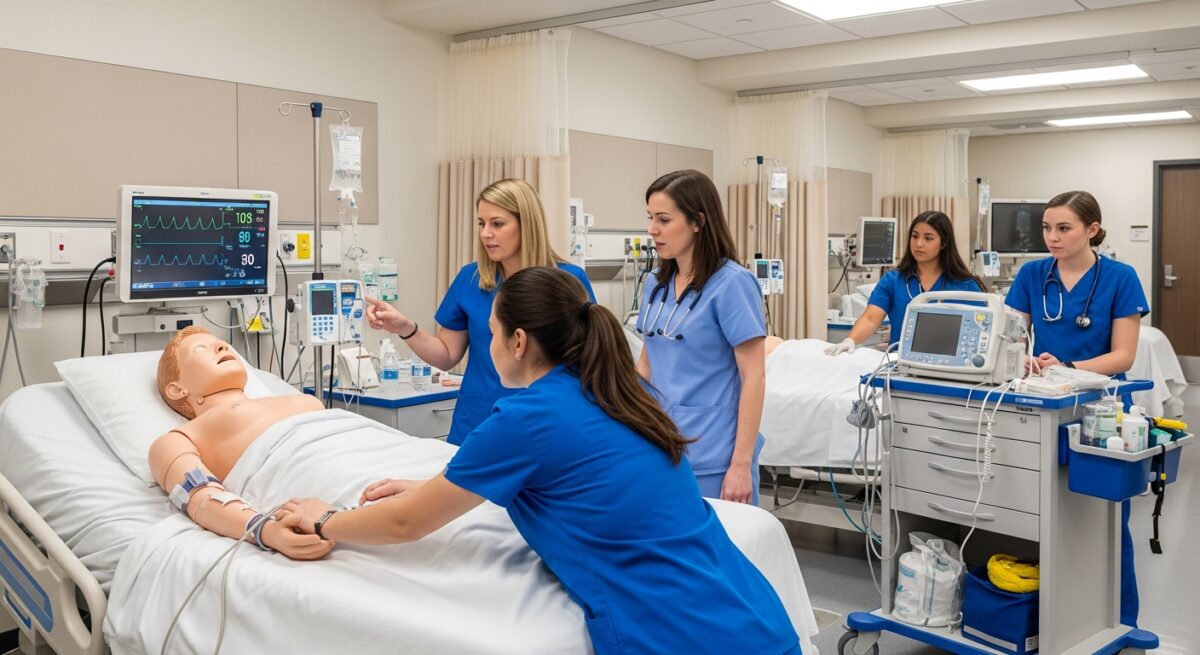
The pinnacle of nursing education is the development of sound clinical judgment—the ability to notice, interpret, respond, and reflect in patient care situations. Quality instruction for nurse educators must intentionally design learning experiences that target this skill, moving beyond checklists of tasks to the cultivation of a thinking discipline. High-fidelity simulation is a powerful tool in this endeavor, but its effectiveness is entirely dependent on instructional design. A well-facilitated simulation is more than a technological showcase; it is a carefully crafted psychological experience that allows students to practice in a realistic, consequence-free environment.
The true instructional magic happens not in the simulation scenario itself, but in the structured debriefing that follows. This is where educators guide students through a reflective analysis of their performance, thoughts, and emotions. A quality debrief uses open-ended questions to explore the “why” behind actions, alternative paths, and the emotional impact of the case. This process solidifies learning and builds the mental schemas necessary for future practice. Beyond simulation, educators can foster clinical judgment through:
- Concept Mapping: Having students visually map patient problems, interventions, and relationships to see the big picture.
- “Think-Aloud” Exercises: Where students verbalize their reasoning process during a case review, making their invisible thinking visible for feedback.
- Guided Clinical Precepting: Moving from task supervision to Socratic questioning during patient rounds, prompting students to justify their assessments and plans.
These methods require the educator to be a skilled coach, adept at questioning and providing specific, formative feedback that focuses on the process of thinking rather than just the correctness of an answer.
Harnessing Technology for Enhanced Engagement and Accessibility
Modern learners are digital natives, and the landscape of education has been irrevocably changed by technology. Quality instruction for nurse educators now necessitates technological fluency and the strategic integration of digital tools to enhance, not replace, pedagogical goals. This goes beyond simply using a learning management system to post syllabi. It involves leveraging technology to create interactive, accessible, and personalized learning journeys. For instance, adaptive learning platforms can provide individualized remediation on pharmacology concepts, while virtual reality can offer immersive experiences in public health or home care settings that are difficult to access.
Blended and online learning models, particularly relevant for community college and online degree programs, require a distinct set of instructional skills. Effective online instruction is not a matter of uploading lecture videos. It demands careful course design to foster a community of inquiry, with clear communication plans, collaborative online activities, and regular, meaningful instructor presence. Discussion forums must be structured to promote higher-order thinking, and assignments should leverage technology for authentic assessment, such as creating patient education videos or digital portfolios. The goal is to use technology to break down barriers to learning, provide diverse ways for students to engage with content, and prepare them for the increasingly digital healthcare environment.
Fostering Inclusivity and Cultural Humility in the Classroom
A nursing classroom is a microcosm of society, composed of students with diverse backgrounds, learning preferences, life experiences, and identities. Quality instruction for nurse educators is inherently inclusive instruction. It requires an intentional effort to create a learning environment where every student feels valued, respected, and equipped to succeed. This begins with Universal Design for Learning principles, which advocate for providing multiple means of engagement, representation, and action/expression. For example, offering content in text, audio, and video formats; providing options for how students demonstrate mastery; and ensuring all physical and digital materials are accessible.
More profoundly, it requires educators to cultivate their own cultural humility and integrate health equity content throughout the curriculum. This means moving beyond a single “culture” lecture to examining how social determinants of health, systemic bias, and historical trauma impact patient outcomes and nurse-patient interactions. Instruction should include diverse case studies, critique of biases in medical literature, and opportunities for self-reflection on one’s own positionality. An inclusive educator also proactively identifies and addresses barriers to success, whether they are academic, financial, or personal, connecting students with campus resources and offering flexible pathways when possible. This commitment to equity ensures the nursing profession itself becomes more diverse and responsive to the communities it serves.
The Educator’s Journey: Continuous Professional Development and Self-Care
The responsibility of shaping future nurses is immense, and the role can lead to burnout if not managed mindfully. Therefore, a critical, yet often overlooked, component of quality instruction is the ongoing development and well-being of the educator themselves. The best nurse educators are lifelong learners who model the curiosity and commitment they wish to instill in their students. This involves engaging in continuous professional development through workshops, conferences, peer mentoring, and scholarly teaching projects. Seeking feedback from students via mid-term evaluations and reflecting on one’s teaching philosophy are essential habits for growth.
Equally important is practicing intentional self-care and setting professional boundaries. Nurse educators often straddle the demanding worlds of academia and clinical practice, which can lead to role overload. To sustain the passion and energy required for quality instruction, educators must prioritize their own resilience. This can be achieved through practical steps:
- Schedule Reflection Time: Block non-negotiable time for lesson planning and grading to prevent work overflow.
- Engage with a Community of Practice: Build a support network with fellow faculty for sharing resources, ideas, and encouragement.
- Disconnect to Reconnect: Set clear digital boundaries, such as no email after 7 PM, to protect personal time.
- Pursue a Scholarly Agenda: Conducting research or writing about teaching can renew intellectual engagement and contribute to the field.
By investing in their own growth and well-being, nurse educators ensure they have the capacity to provide the high-quality, compassionate instruction their students deserve, year after year. The ultimate goal is to create a virtuous cycle where thriving educators cultivate thriving students, who then go on to provide exceptional, humane patient care. This is the profound impact of committing to excellence in nursing education.