Wisconsin’s health care sector is a cornerstone of the state’s economy and community well-being, driven by renowned hospital systems, innovative research institutions, and a growing need for skilled professionals. For students and career-changers seeking a meaningful and stable career, pursuing one of the top-rated health care degrees in Wisconsin offers a direct pathway into this vital field. The state’s higher education system, encompassing both the University of Wisconsin system and respected private colleges, provides a diverse array of accredited programs designed to meet the rigorous demands of modern health care. From direct patient care roles in nursing and therapy to behind-the-scenes positions in health administration and technology, Wisconsin’s academic institutions prepare graduates to excel. This guide explores the leading programs, their unique strengths, and how to align your educational choice with your long-term career ambitions in Wisconsin’s dynamic health care landscape.
Understanding Wisconsin’s Health Care Education Landscape
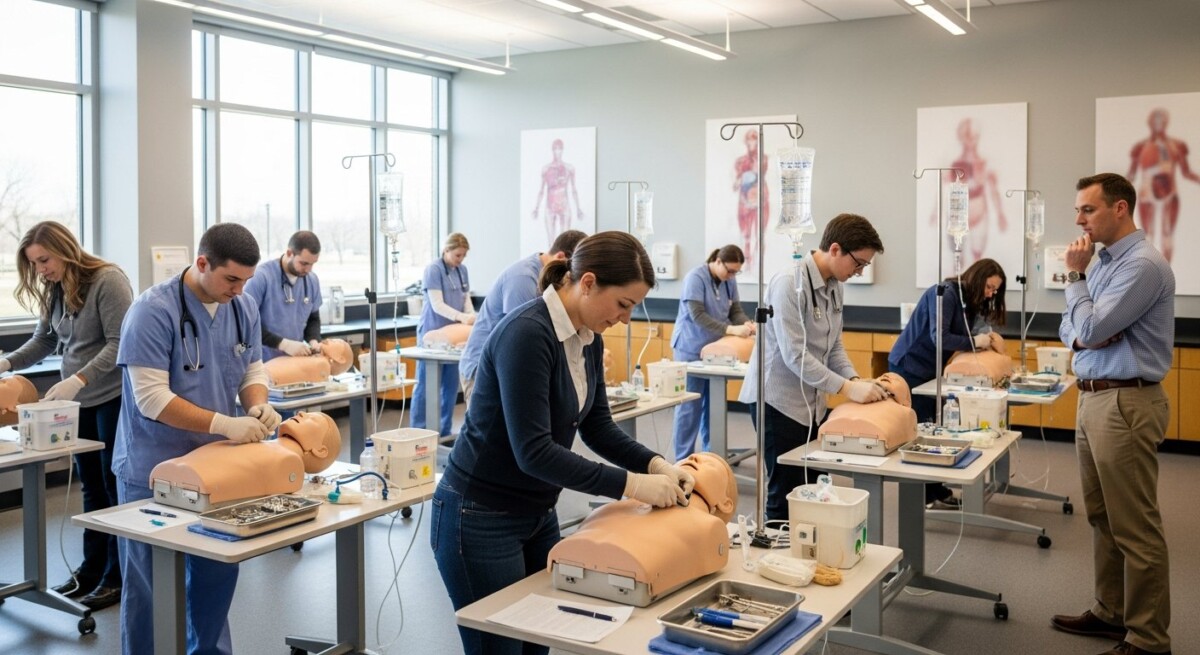
Before diving into specific programs, it’s crucial to understand the framework of health care education in the state. Wisconsin’s offerings are characterized by a strong emphasis on practical, hands-on training, often facilitated through partnerships with major health systems like Advocate Aurora, UW Health, Mayo Clinic Health System, and Ascension Wisconsin. Many programs incorporate clinical rotations, internships, and simulation labs as core components, ensuring students graduate with real-world experience. Furthermore, the Wisconsin Department of Safety and Professional Services (DSPS) outlines specific licensure and certification requirements for many health professions, which top-rated programs are meticulously designed to meet. Accreditation is another key differentiator; look for programmatic accreditation from bodies like the Commission on Collegiate Nursing Education (CCNE), the Accreditation Council for Education in Nutrition and Dietetics (ACEND), or the Commission on Accreditation of Allied Health Education Programs (CAAHEP). This external validation signals that a curriculum meets national standards for quality and rigor.
The choice between an associate degree, bachelor’s degree, or an advanced graduate degree will significantly shape your career entry point and trajectory. An Associate Degree in Nursing (ADN) or Radiologic Technology, for example, can lead to licensure and employment in just two years. A Bachelor of Science in Nursing (BSN) is increasingly becoming the preferred entry-level degree for nurses, offering broader career mobility and a foundation for graduate study. For fields like physical therapy, occupational therapy, or physician assistant studies, a master’s or doctoral degree is the required terminal degree. Your decision should balance your immediate career goals, timeline, and resources with your long-term professional aspirations. For those considering leadership, policy, or advanced clinical practice, planning for an advanced degree from the outset is wise.
Leading Health Care Degree Programs in Wisconsin
Wisconsin is home to several institutions consistently recognized for their excellence in health care education. The following are standout programs across various disciplines, known for their strong outcomes, faculty expertise, and community impact.
Nursing Programs: From ADN to DNP
Nursing remains one of the most in-demand health care professions, and Wisconsin’s schools offer pathways for every level. The University of Wisconsin-Madison’s School of Nursing is a national leader, offering a highly-ranked BSN program, as well as Master of Science and Doctor of Nursing Practice (DNP) degrees. Its research initiatives and clinical partnerships provide unparalleled opportunities. Marquette University’s College of Nursing in Milwaukee is another top contender, known for its direct-entry BSN and its rigorous graduate specialties. For those seeking a more accelerated or flexible path, many technical colleges and universities offer robust ADN-to-BSN completion programs and online RN-to-BSN options, which are ideal for working professionals. These programs are critical for addressing the state’s nursing workforce needs.
Allied Health and Diagnostic Programs
Beyond nursing, a universe of allied health professions offers rewarding careers. The University of Wisconsin-Milwaukee’s College of Health Sciences is a powerhouse, with highly-regarded programs in Clinical Laboratory Science, Occupational Therapy (MS), and Physical Therapy (DPT). Its interdisciplinary approach and urban location connect students with diverse clinical experiences. Concordia University Wisconsin offers strong programs in areas like Pharmacy (PharmD), Physical Therapy, and Physician Assistant Studies, often integrating a focus on service and ethics. For diagnostic and technical roles, schools like Milwaukee Area Technical College (MATC) and Western Technical College in La Crosse provide excellent, career-focused associate degrees in Radiography, Surgical Technology, and Respiratory Therapy, featuring high pass rates on licensure exams and strong job placement.
Health Sciences, Administration, and Public Health
For students interested in the business, policy, or population-level aspects of health care, several Wisconsin degrees stand out. The University of Wisconsin-La Crosse’s Health Information Management and Technology program is a unique and growing field, blending IT with health care data. The University of Wisconsin-Green Bay’s Bachelor of Science in Health and Wellness Management prepares graduates for roles in corporate wellness, health promotion, and community health. At the graduate level, the University of Wisconsin School of Medicine and Public Health in Madison offers a prestigious Master of Public Health (MPH) program with multiple concentrations. Furthermore, many MBA programs in the state, including those at UW-Whitewater and Marquette, offer specializations in Health Care Management, ideal for those aiming for leadership in hospitals, clinics, or insurance companies. Exploring career-focused degree guides can provide a useful framework for evaluating any professional program, including those in health care, based on outcomes and alignment with industry needs.
Key Factors in Choosing Your Program
Selecting the right program requires more than reviewing rankings. A thoughtful evaluation should consider several practical factors that will directly affect your education and future career. First, investigate the program’s licensure exam pass rates (NCLEX-RN for nurses, board exams for therapists, etc.) and job placement statistics for recent graduates. High rates are a strong indicator of program quality and effective student support. Second, consider the mode of delivery. While many clinical programs require in-person attendance for labs and rotations, an increasing number of foundational and administrative courses are offered online. For comprehensive academic program insights into accredited online pathways, dedicated educational resource sites can be invaluable. Third, assess the cost and financial aid options, including program-specific scholarships, Wisconsin grants, and federal aid. Finally, visit the campus if possible, talk to current students and faculty, and get a feel for the learning environment and culture.
Prospective students should also scrutinize clinical placement support. A top-rated program will have a dedicated clinical coordinator who secures placements for students, relieving a significant administrative burden. The strength and diversity of a school’s clinical partner network can greatly enhance your training. Additionally, look for opportunities for undergraduate research, student organizations (like HOSA or pre-health clubs), and career development services tailored to health professions. These resources contribute to a well-rounded education and help build a professional network before graduation.
Career Pathways and Outcomes in Wisconsin
Graduates of Wisconsin’s health care programs enter a robust job market. The state’s aging population and ongoing expansion of health care services ensure steady demand for qualified professionals. According to state labor data, many of the fastest-growing occupations are in health care, including home health aides, nurse practitioners, physical therapist assistants, and medical and health services managers. Salaries in Wisconsin for health care professionals are competitive, often above the state median wage, and vary by specialization, degree level, and geographic region. Metropolitan areas like Madison, Milwaukee, and Green Bay typically offer the highest concentration of jobs, including in specialized facilities, but rural communities across the state have a critical need for health care talent, sometimes offering incentives like loan repayment programs.
A BSN graduate might begin their career in a hospital medical-surgical unit, with pathways to specialize in areas like pediatrics, oncology, or critical care. A graduate with a degree in Health Information Management could work on implementing electronic health record systems, ensuring data privacy, or analyzing patient data to improve care quality. The career trajectory often doesn’t end with the first degree. Many professionals return to school for advanced certifications or degrees to become nurse anesthetists, clinical nurse specialists, health care consultants, or clinic directors. Wisconsin’s educational institutions support this lifelong learning through flexible graduate and certificate programs designed for working adults.
Frequently Asked Questions
What is the fastest way to start a health care career in Wisconsin?
For many, the fastest entry point is an associate degree or diploma program from one of Wisconsin’s technical colleges. Programs like Nursing Assistant, Practical Nursing, Medical Assistant, Phlebotomy, or Emergency Medical Technician can often be completed in one year or less and lead to state certification and immediate employment, providing a foothold in the industry while you consider further education.
Are online health care degrees from Wisconsin schools respected?
Yes, provided they are from accredited institutions. Many reputable Wisconsin universities and colleges offer online degrees in health care administration, health information management, public health, and RN-to-BSN completion. The key is to verify the program’s accreditation status and ensure that any required clinical or practicum components can be arranged in your local area.
How important is programmatic accreditation for health care degrees?
It is critically important. For licensure-based professions (nursing, therapy, lab science), graduation from a programmatically accredited program is often a prerequisite to sit for the licensing exam. Even for non-licensed fields, accreditation ensures the curriculum meets industry standards, which is valued by employers. Always check a program’s accreditation before applying.
What financial aid options are specific to Wisconsin health care students?
Beyond federal aid, Wisconsin offers several state-specific programs. The Wisconsin Health Professions Loan Assistance Program provides loan repayment for certain providers working in underserved areas. The Talent Incentive Program (TIP) Grant provides aid to financially needy Wisconsin residents. Additionally, many hospitals and health systems offer tuition reimbursement or scholarship-for-service agreements for employees pursuing relevant degrees.
Can I work while completing a health care degree program in Wisconsin?
It depends on the program’s intensity. While it is common for students in associate or bachelor’s completion programs to work part-time, many full-time, accelerated, or graduate-level clinical programs (like DPT or PA studies) have demanding schedules that make concurrent employment very difficult. Programs with evening, weekend, or hybrid online formats are specifically designed to accommodate working professionals.
Embarking on a health care degree in Wisconsin is an investment in a career dedicated to service, innovation, and community health. By carefully researching the top-rated health care degrees in Wisconsin, considering factors like accreditation, clinical opportunities, and career outcomes, you can select a program that not only provides an excellent education but also positions you for long-term success in this essential and rewarding field. The state’s educational institutions are ready to equip you with the knowledge, skills, and experience to make a significant difference.